Expert comparison

Updated October 7, 2026

Best Coffee Beans for Espresso 2026: Tested

The best coffee beans for espresso, ranked: 7 specialty and Italian blends tested on flavor, forgiveness, crema, and value. Onyx Coffee Lab Geometry gave us the best cup; Lavazza Super Crema is the easier, cheaper pick while you are still dialing in. Find all our individual write-ups in the coffee bean reviews hub .

  • By Sarah Chen
  • 11 min read
  • 4.5/5 Top Pick · $8–$39

Affiliate disclosure: this page contains Amazon affiliate links. We may earn a commission if you buy through them, at no extra cost to you, and it never affects our rankings. Learn more

Quick answer: which espresso beans should I buy?

Which espresso beans are best for my situation?

Find your setup and skill level, then jump to the matching bean.

How do the best espresso beans compare side by side?

Ratings reflect flavor, forgiveness, crema, milk-drink performance, sourcing transparency, and value. Forgiveness is how much room you have for an off-target grind, dose, or shot time. Prices are typical ranges and change often.

ProductBest forRoast and forgivenessPriceRatingLink

BEST OVERALL

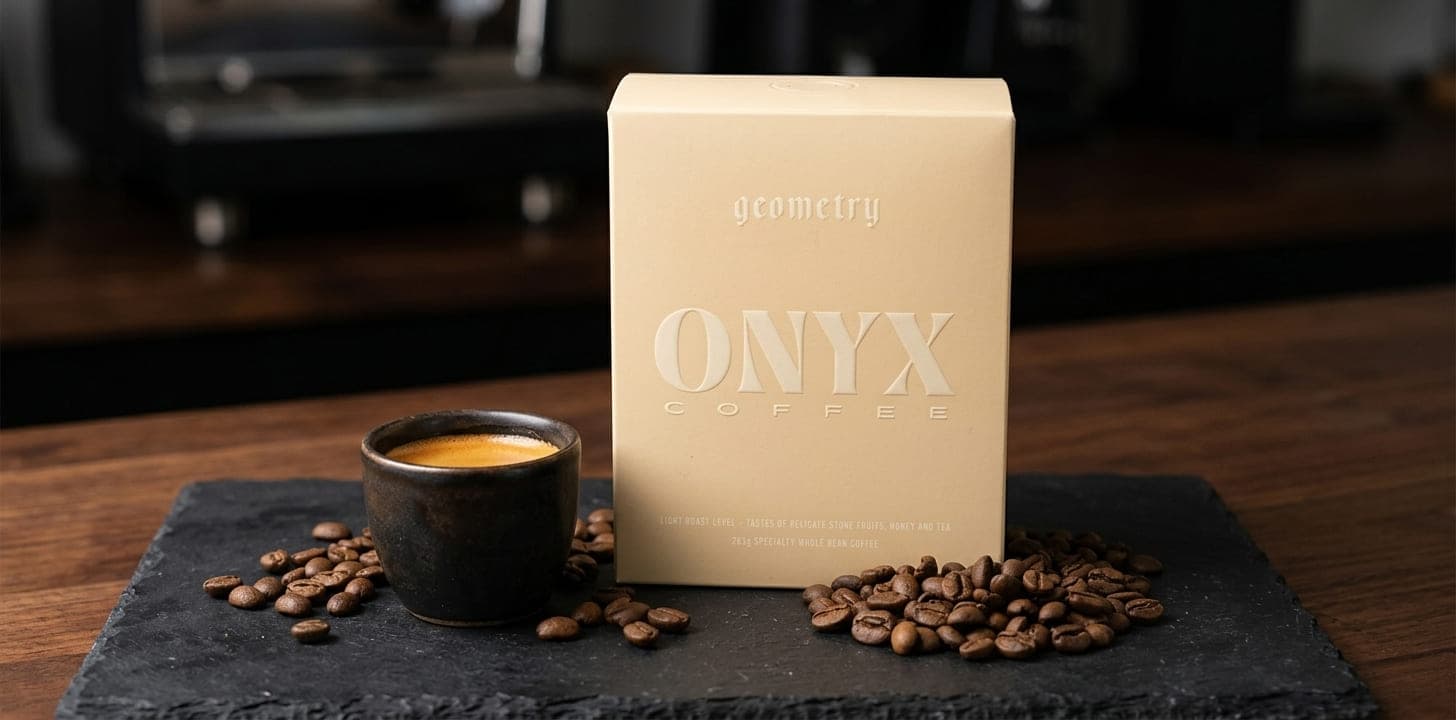
Onyx Coffee Lab Geometry

BEST OVERALL

Best forStraight shots and milk drinksRoast and forgivenessMedium-light, Moderate forgivenessPrice$18–$22 (10 oz bag)Rating4.5/5Check current price

BEST VALUE

Intelligentsia Black Cat Classic

BEST VALUE

Best forMilk drinks and daily espressoRoast and forgivenessMedium specialty, Moderate forgivenessPrice$8–$15 (12 oz bag)Rating4.6/5Check current price

BEST FRUIT-FORWARD

Blue Bottle Coffee Three Africas

BEST FRUIT-FORWARD

Best forExperienced dial-in; also pour-overRoast and forgivenessLight-medium, fruit-forward, Low forgivenessPrice$30–$39 (12 oz bag)Rating4.2/5Check current price

BEST EVERYDAY ESPRESSO

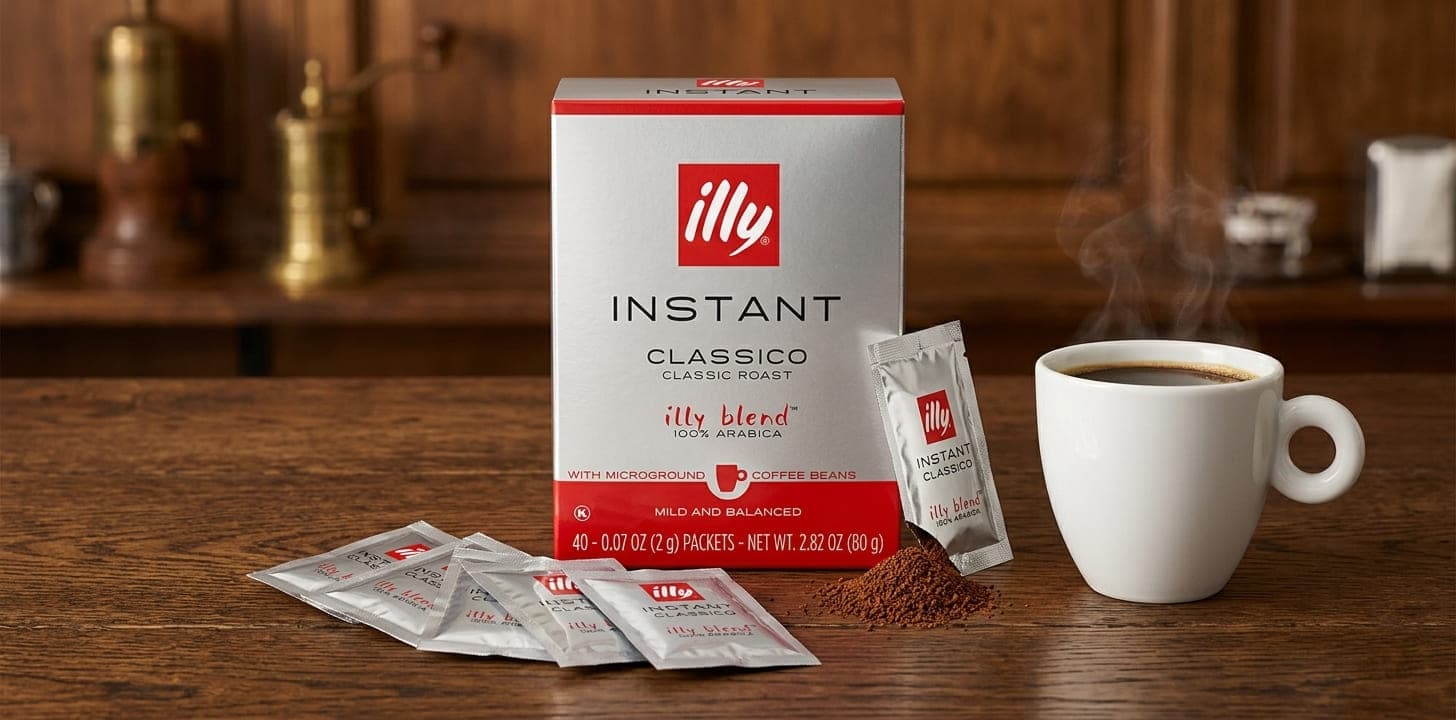
illy Classico

BEST EVERYDAY ESPRESSO

Best forStraight espresso, short cortadoRoast and forgivenessMedium, 100% arabica, Moderate forgivenessPrice$20–$25 (8.8 oz packet)Rating4.4/5Check current price

BEST DARK ROAST

Peet's Coffee Dark Roast Whole Bean

BEST DARK ROAST

Best forLattes, flat whites, entry-level machinesRoast and forgivenessDark, Moderate forgivenessPrice$10–$20 (~$15 street price)Rating4.4/5Check current price

BEST DARK ROAST VALUE

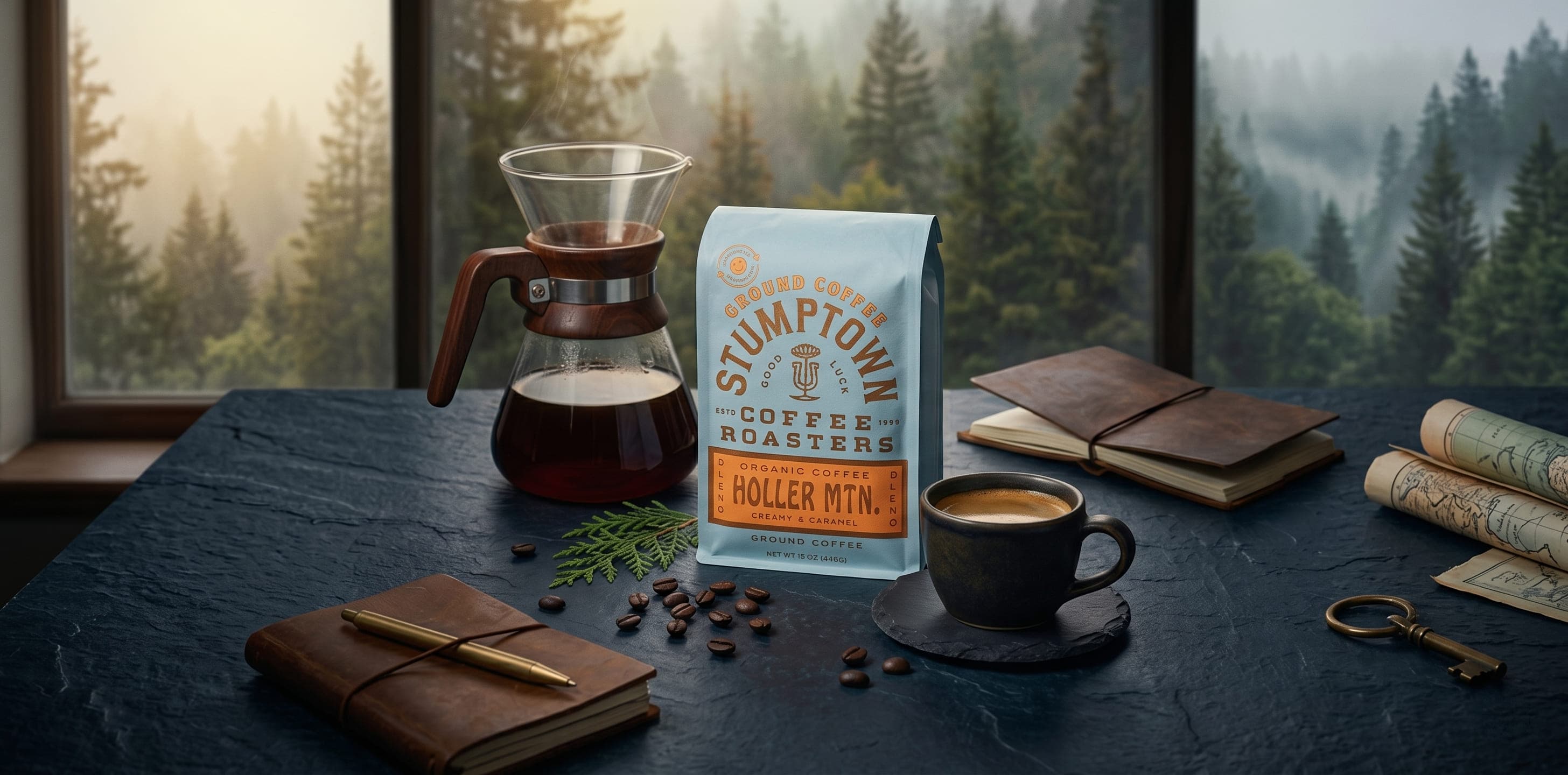
Stumptown Holler Mountain

BEST DARK ROAST VALUE

Best forAmericanos, flat whitesRoast and forgivenessDark, High forgivenessPrice$13–$23 (12 oz bag)Rating4.3/5Check current price

BEST FOR BEGINNERS

Lavazza Super Crema

BEST FOR BEGINNERS

Best forCappuccinos, flat whites, beginnersRoast and forgivenessMedium Italian-style, Highest forgivenessPrice$24–$32 (2.2 lb bag)Rating4.2/5Check current price

What are the best espresso beans in detail?

Who each bean suits, who should skip it, and the trade-offs.

#1 · BEST OVERALL

Onyx Coffee Lab Geometry

★ 4.5/5$18–$22 (10 oz bag)Tested: 60+ shots over 3 weeks

A medium-light blend with dark chocolate, caramel and dried stone fruit notes that also works for pour-over. Origin clarity is the draw, for straight shots and milk drinks. The trade-off is a pricier bag and more careful dial-in than Italian-style blends.

Best for
Specialty coffee enthusiasts who want an award-winning espresso blend with exceptional origin clarity, and home baristas who pull both straight espresso and milk drinks.
Skip if
You want a traditional thick-crema Italian espresso, prefer a bold dark roast with low acidity, or need a cost-efficient kilo-bag option for high daily volume.
  • Award-winning roaster with transparent, farm-level sourcing published on every bag
  • Dual-use versatility — works as both espresso and pour-over
  • Consistent flavor across the multiple bags we tested
  • Premium pricing per gram versus comparable specialty blends
  • Medium-light roast requires more careful dial-in than forgiving Italian blends
  • No kilo-bag option for high-volume households
#2 · BEST VALUE

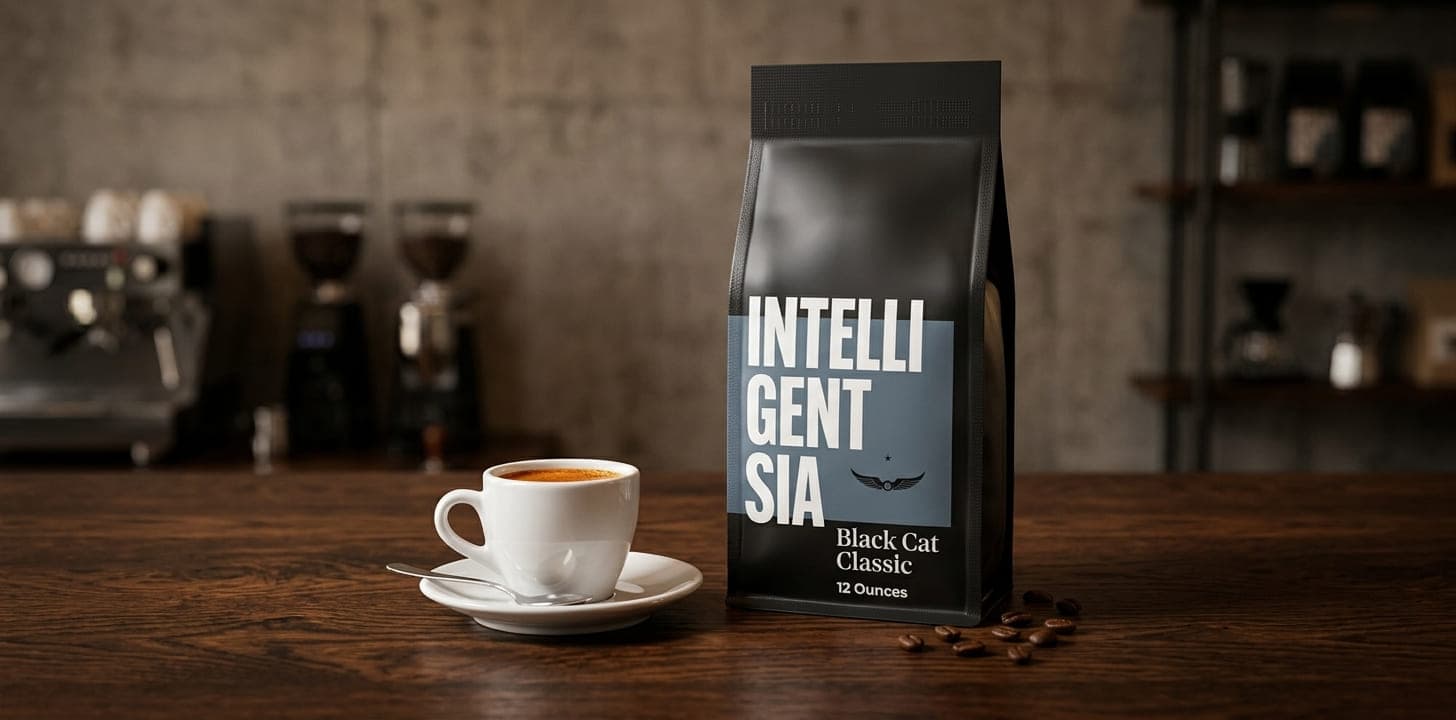
Intelligentsia Black Cat Classic

★ 4.6/5$8–$15 (12 oz bag)Tested: 80+ shots over 4 weeks

Milk chocolate, dried cherry and brown sugar flavour at an approachable price, with a more forgiving extraction window than most single-origins. A strong choice for milk drinks. The trade-off is less crema than robusta blends and a 12 oz bag only.

Best for
Home baristas ready to step into specialty-grade espresso without sacrificing approachability, and anyone who wants a strong milk-drink performer at a daily-driver price.
Skip if
You want a traditional thick-crema Italian espresso, prefer a darker roast with low acidity, or need a kilo-bag value option for high daily volume.
  • Specialty complexity that integrates seamlessly without demanding analytical tasting
  • Settles into a good shot in 2–3 dial-in attempts — more forgiving than most single-origins
  • Consistent, engineered-for-repeatability formulation year-round
  • 12 oz format only — higher per-gram cost than Italian commercial blends for heavy users
  • Lower crema volume than robusta-containing blends
  • Whole bean only, so a decent grinder is a prerequisite

#3 · BEST FRUIT-FORWARD

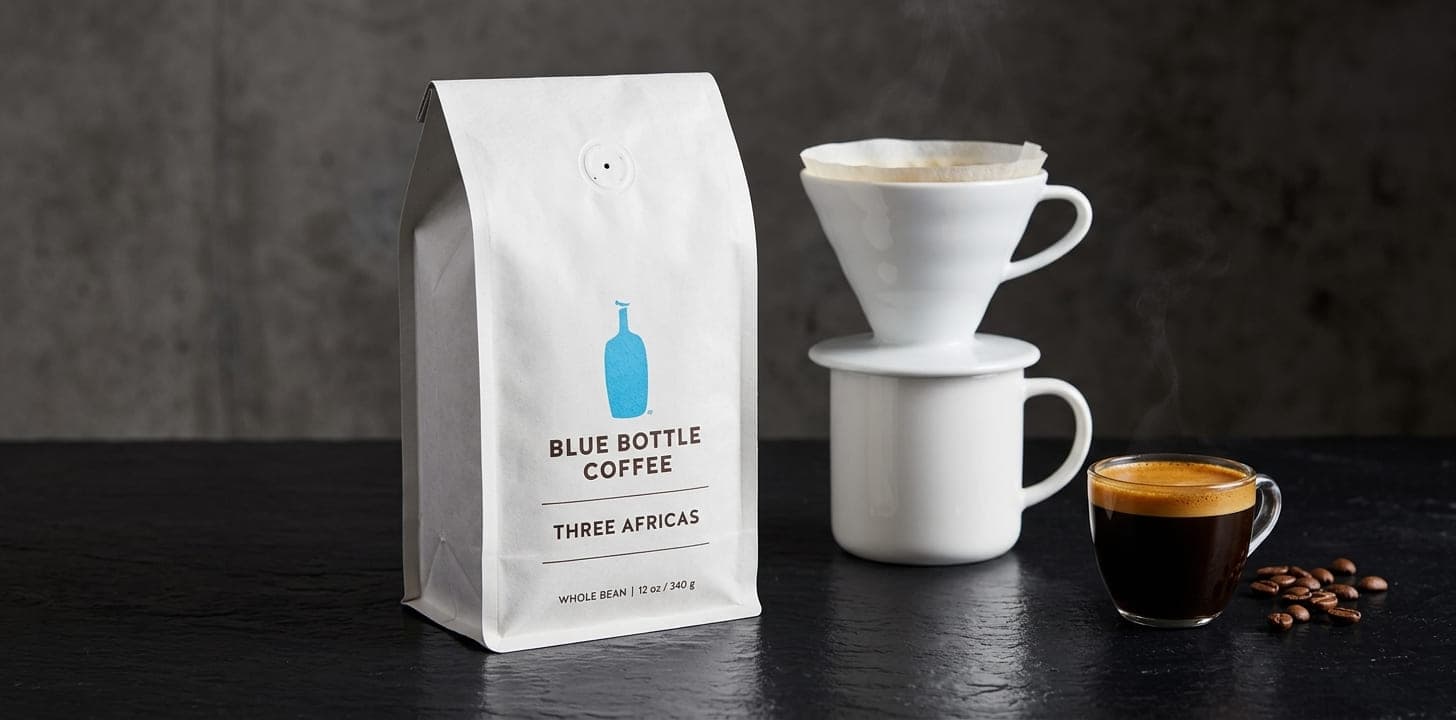
Blue Bottle Coffee Three Africas

★ 4.2/5$30–$39 (12 oz bag)Tested: 90+ shots over 5 weeks

A light, fruit-forward blend with transparent sourcing that suits experienced home baristas and also works as pour-over. It can be pulled as espresso, but needs careful technique. Expect a high price per gram and little tolerance for extraction mistakes.

Best for
Coffee drinkers who want to experience third-wave specialty coffee at home, particularly for pour-over and filter brewing, and experienced home baristas ready to dial in a nuanced, fruit-forward espresso.
Skip if
You're still learning to dial in espresso and need a forgiving dark roast, prefer bold Italian-style coffee, or aren't willing to pay specialty pricing for a 12 oz bag.
  • Farm-level or cooperative-level origin transparency on every bag
  • Roasted-to-order freshness — beans typically arrive 3–7 days post-roast
  • Very consistent cup-to-cup across the bags we tested
  • Significantly higher cost per gram than Italian commercial blends
  • Not designed specifically for espresso — works, but requires careful technique
  • Less forgiving than dark-roasted commercial espresso for extraction mistakes

#4 · BEST EVERYDAY ESPRESSO

illy Classico

★ 4.4/5$20–$25 (8.8 oz packet)Tested: 75+ shots over 4 weeks

A nine-origin, 100% arabica blend with a smooth caramel, chocolate and floral profile, easy to find in shops. It shines as straight espresso or a short cortado. Crema is thinner than robusta blends, and the small packet means frequent repurchasing.

Best for
Espresso purists who want a smooth, balanced, 100% arabica shot — especially rewarding as straight espresso or a short cortado where the bean's clarity can shine.
Skip if
You rely on crema volume to judge shot quality, prefer a budget kilo-bag format, or mostly brew milk-heavy drinks where a premium arabica's subtlety gets overwhelmed.
  • Smooth caramel-chocolate-floral balance from a nine-origin arabica blend
  • Pressurized freshness packet extends shelf life
  • Widely available at supermarkets, specialty retailers, and Amazon
  • Thinner crema than robusta-containing blends
  • Higher cost per gram than kilo-format Italian alternatives
  • Small packet format means frequent repurchasing for daily multi-shot drinkers

#5 · BEST DARK ROAST

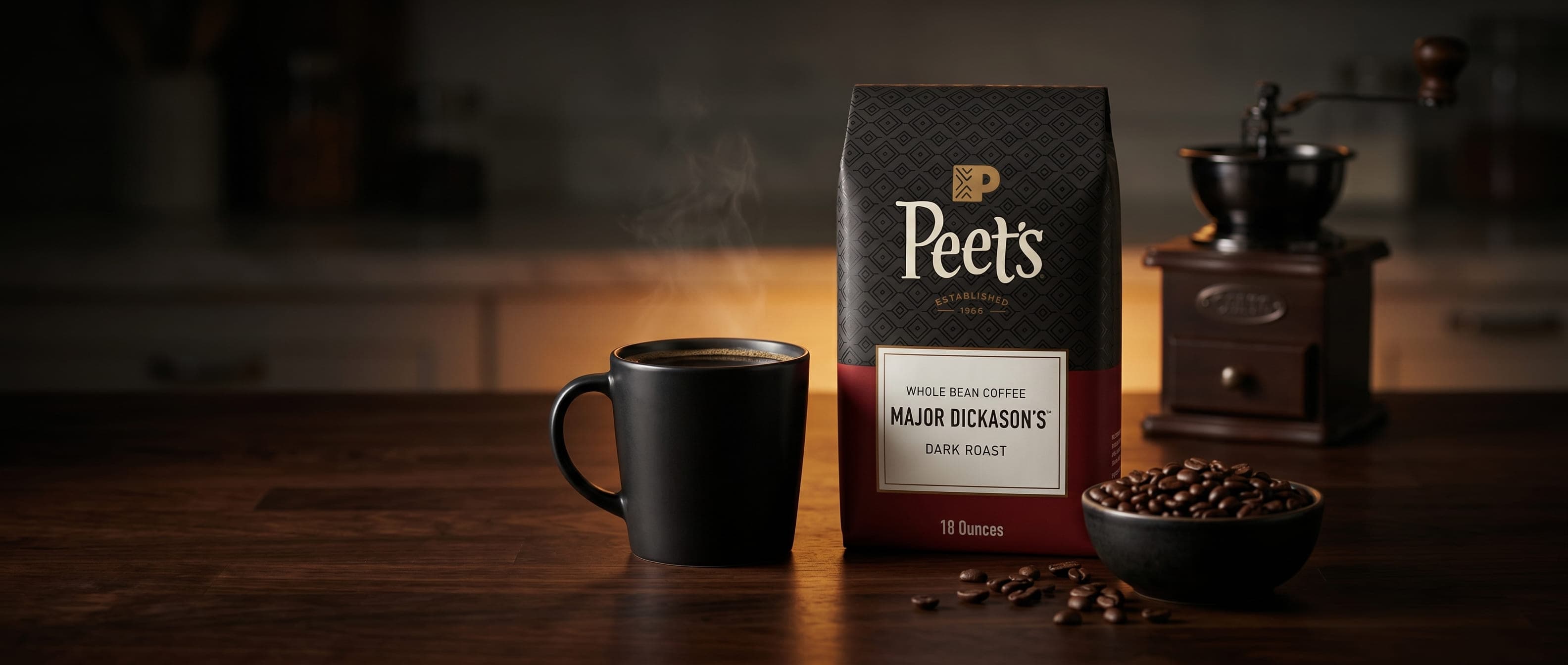
Peet's Coffee Dark Roast Whole Bean

★ 4.4/5$10–$20 (~$15 street price)Tested: 65+ shots over 4 weeks

A dark roast with bold body and full mouthfeel, tasting of clean chocolate and smoky sweetness rather than sourness. It suits lattes, flat whites and entry-level machines. The sweet spot is narrow, and shots past 31 seconds turn bitter.

Best for
Dark roast loyalists who want bold, full-bodied chocolate flavor without sourness — especially strong in French press, flat whites, and lattes, and forgiving on entry-level espresso machines.
Skip if
You prefer bright, fruity, or origin-transparent specialty coffee — pour-over specialists and light-roast fans should look at a medium single-origin instead.
  • Boldest body and fullest mouthfeel of the tested dark roasts
  • Widely available at grocery retail — no subscription to manage
  • Well-suited to entry-level thermoblock espresso machines
  • Narrower extraction sweet spot than Stumptown Holler Mountain — shots past 31 seconds turn bitter
  • Grocery retail roast-date transparency is inconsistent
  • Dark roast character consumes most origin complexity

#6 · BEST DARK ROAST VALUE

Stumptown Holler Mountain

★ 4.3/5$13–$23 (12 oz bag)Tested: 70+ shots over 4 weeks

A dark roast with dark chocolate and toffee flavour and a wide extraction window, with roast dates clearly printed. It works for espresso and drip, especially Americanos. The dark roast mutes origin character, and very long shots still turn bitter.

Best for
Dark roast drinkers who want a Pacific Northwest-style blend that performs well in both espresso and drip — particularly good in Americanos, flat whites, and French press.
Skip if
You prefer bright, fruity, or lightly roasted specialty coffee, are looking for single-origin transparency, or want a bean that showcases terroir over roast character.
  • Clean flavor for a dark roast — no ashy or burnt notes
  • Wide extraction window, forgiving for baristas still dialing in
  • Strong value for a specialty-roaster product
  • Dark roast limits origin character
  • 12 oz format has a higher price-per-ounce than Italian-format 1kg bags
  • Very long shots still turn bitter — forgiveness has limits

#7 · BEST FOR BEGINNERS

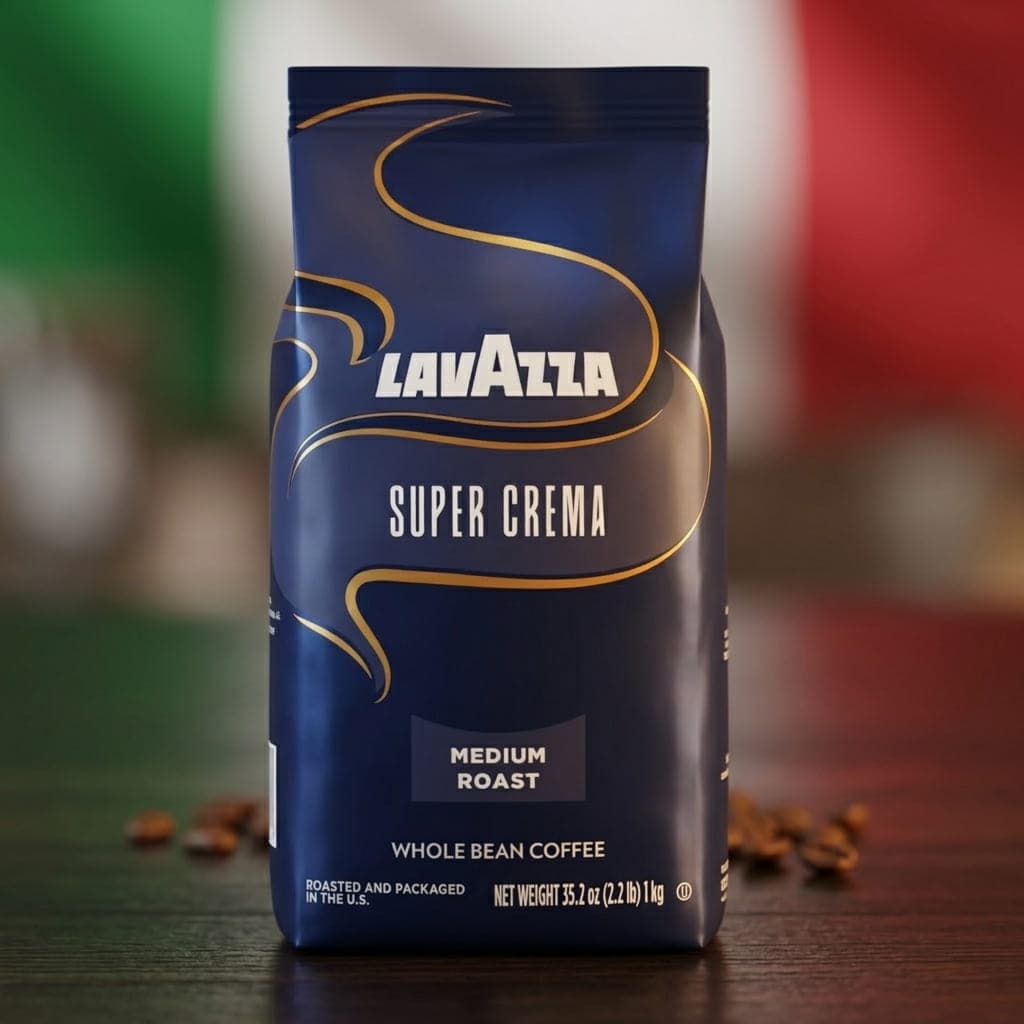
Lavazza Super Crema

★ 4.2/5$24–$32 (2.2 lb bag)Tested: 80+ shots over 4 weeks

An Italian-style blend with thick, lasting crema and the widest extraction window in this lineup, which makes it easy for beginners. The 2.2 lb bag is good value. The flavour is classic rather than complex, and it is not made for filter or cold brew.

Best for
Home baristas who want a reliable, forgiving Italian-style espresso with consistent crema — particularly strong in milk-based drinks like flat whites and cappuccinos.
Skip if
You prefer bright single-origin flavors or lightly roasted specialty beans; this blend leans classic and traditional, not fruity or complex.
  • Thick, persistent crema at an affordable price
  • Highly forgiving extraction — the widest dial-in window in this lineup, ideal for beginners
  • Strong value — a 2.2 lb bag at a much lower price per ounce than the specialty bags on this list
  • Less complexity than the specialty single-origins on this list
  • Moderate acidity — bright, citrusy shot fans will find this muted
  • Not optimized for filter or cold brew

How to choose the best beans for espresso

If this is your situation, then this is the trade-off to make.

Start from your situation

If: Beginners and entry-level machines

Lavazza Super Crema. Highest forgiveness; Stumptown Holler Mountain is also rated High.

If: Mostly milk drinks

Intelligentsia Black Cat Classic. Lavazza Super Crema and Peet’s Dark Roast are the darker alternatives.

If: Straight espresso fans

Onyx Coffee Lab Geometry. illy Classico is the smoother 100% arabica option.

If: Experienced home baristas

Blue Bottle Coffee Three Africas. Lowest forgiveness here, with the most fruit-forward profile.

Roast level and drinks

If: you are still learning to dial in

Choose a more forgiving blend (Lavazza Super Crema, Peet's Dark Roast, Stumptown Holler Mountain): more forgiving and thicker crema, but less origin character. See the coffee roast levels chart and how to pick espresso beans.

If: you want complexity and will dial in carefully

Choose a medium-light to light specialty roast (Onyx Geometry, Intelligentsia Black Cat Classic, Blue Bottle Three Africas).

If: you mostly make flat whites, cappuccinos, or lattes

Intelligentsia Black Cat Classic, Lavazza Super Crema, and Peet's Dark Roast are our milk-drink picks.

If: you drink straight espresso or a short cortado

illy Classico or Onyx Geometry let the bean's character show; illy's subtlety can get lost in milk-heavy drinks.

Freshness, bag size and equipment

If: a bag shows only a "best by" date

Expect less certainty about freshness: espresso has a narrower freshness window than filter coffee, and a printed roast date is far more useful. Specialty roasters tend to be most transparent; grocery-shelf dark roasts are less consistent.

If: you drink several shots a day

Lavazza's 2.2 lb bag has the lowest price per ounce.

If: you drink fewer shots

Choose the 10–12 oz specialty bags and finish them while the beans are fresh.

If: you have an entry-level machine, especially with pressurized baskets

Start with a forgiving bean: lighter roasts expose temperature and pressure inconsistencies that darker roasts hide.

If: you do not own a burr grinder

Buy one before upgrading beans, because every bean here is sold whole and pre-ground coffee stales within days. See how to choose a burr grinder or the best coffee grinders. Still choosing a machine? Compare the best espresso machines or the best espresso machines under $500.

This guide is for espresso, not filter brewing; for filter, see drip vs. pour-over coffee. New to the terms on the bags? Read what specialty coffee is and what single-origin coffee means.

How did we rank the best espresso beans?

Each bean was brewed and cupped blind over three to five weeks, across multiple bags and roast dates, for 520+ shots in total. Rankings are never influenced by affiliate commission.

  • Flavor and roast execution: balance, clean extraction, and whether the stated tasting notes are detectable in the cup.
  • Extraction forgiveness: how wide a window of grind size, dose, and shot time still produces a good result.
  • Crema: volume, persistence, and texture, judged as a product of roast level and robusta content rather than a standalone quality signal.
  • Milk-drink performance: whether the flavor survives steamed milk in a flat white, cappuccino, or latte.
  • Sourcing and roast-date transparency: whether origin details are published and bags arrive with a usable roast date.
  • Value relative to format: price per ounce weighed against bag size and quality.

How do I pull better espresso from any bean?

These habits change the cup more than most bean upgrades.

Weigh your dose and yield

A common starting point is a 1:2 ratio, for example 18 g of ground coffee producing about 36 g of espresso in roughly 25–30 seconds. Adjust to taste rather than chasing exact numbers.

Change one variable at a time

Adjust grind size first, then dose or yield. Sour, thin shots usually point to under-extraction and bitter, harsh shots to over-extraction; see why espresso tastes sour and how to fix bitter espresso.

Re-dial whenever you switch beans

A new roast level, or even a fresh bag from the same roaster, often needs a small grind adjustment. Our guide to dialing in espresso and grind size chart show how.

Use filtered water and descale on schedule

Scale buildup and poor water quality affect flavor and machine performance. See our descaling guide.

Frequently Asked Questions

Quick answers before you buy.

Any properly roasted arabica coffee can be pulled as espresso, but beans sold for espresso are usually roasted to develop the sweetness and body that hold up under high pressure and short contact time.

Very light, acidic coffees such as Blue Bottle's Three Africas can work, but they need more precise technique to avoid a sour, thin shot.

As a rough guide, beans used within about one to three weeks of roasting tend to pull the most consistent shots.

Very fresh beans can release excess CO2 and cause uneven extraction, while beans several weeks past roast lose sweetness and aroma.

Look for a printed roast date rather than only a "best by" date, and grind each dose fresh.

It depends on your setup and palate.

Specialty beans reward a good grinder and consistent technique with more distinct flavor; with a basic grinder or mostly milk drinks, the difference is often smaller than the price gap.

If you are unsure, start with Intelligentsia Black Cat Classic, the most affordable specialty-style pick here, before committing to a premium bag.

Lavazza Super Crema has the widest dial-in window in this lineup, so small grind or dose errors still give a drinkable shot.

Stumptown Holler Mountain is also rated high for forgiveness; illy Classico has a somewhat narrower window.

Darker roasts are easier because they extract more readily and hide minor mistakes.

Peet's Coffee Dark Roast Whole Bean has the boldest body here, while Stumptown Holler Mountain has a wider extraction window and clearly printed roast dates.

Choose Peet's for lattes and flat whites, and Stumptown if you want a more forgiving dark roast that also works as an Americano.

Intelligentsia Black Cat Classic, Lavazza Super Crema and Peet's Dark Roast are our milk-drink picks, because their chocolate and caramel flavors survive steamed milk.

A delicate bean like illy Classico or a fruit-forward blend can get lost behind milk.

No.

Pre-ground coffee loses aroma within days, and you cannot adjust the grind to dial in your shot.

Every bean on this list is sold whole, so a burr grinder fine enough for espresso is part of the cost.

Not inherently. A small share of robusta adds crema, body and a bitter edge, which many traditional Italian-style drinkers like.

100% arabica blends tend to taste sweeter and more nuanced, with thinner crema. Check the bag for blend details, as not every roaster lists them.