
Onyx Coffee Lab
Onyx Coffee Lab Geometry Review
An award-winning medium-light blend with dark chocolate and dried stone fruit complexity — versatile across espresso and pour-over alike.
Updated
A Pacific Northwest-style dark roast with a bold, chocolatey body that holds up well across espresso, Americanos, and French press.
Affiliate disclosure: we may earn a commission from Amazon links here, at no cost to you.this page contains Amazon affiliate links. We may earn a commission if you buy through them, at no extra cost to you, and it never affects our rankings. DetailsRead our full affiliate disclosure
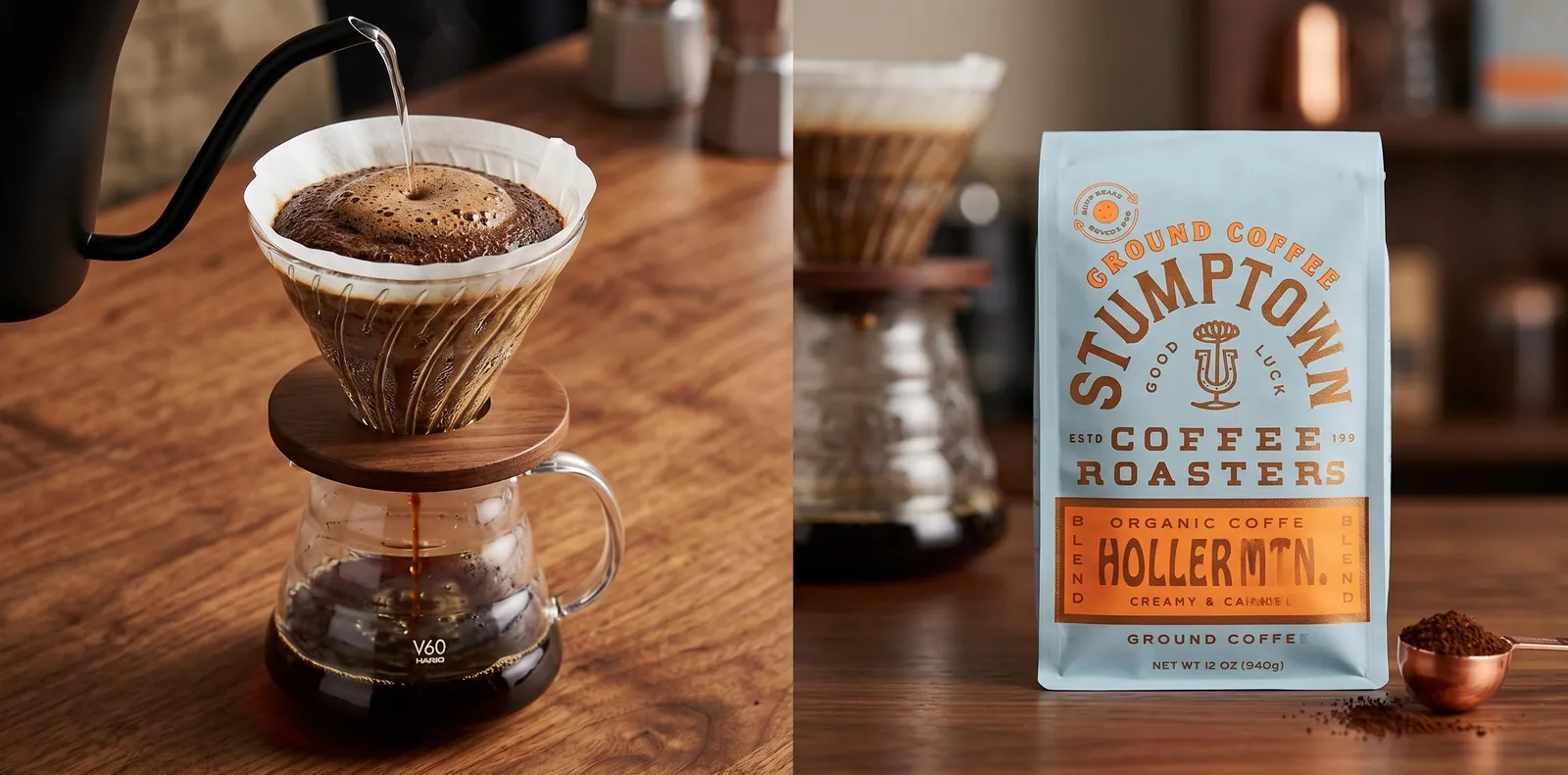
Stumptown Holler Mountain at a GlanceRecommended
A clean, forgiving dark roast from a roaster that takes sourcing seriously, though it won't show origin character.
Dark Roast Blend · Stumptown Coffee Roasters
Why it stands out
Watch out for
✓ Best for
Dark roast loyalists who want a well-sourced Arabica blend rather than commodity dark coffee
✕ Skip if
Third-wave specialty coffee drinkers looking for origin transparency or fruit-forward profiles
Affiliate link: we may earn a commission at no extra cost to you. It never affects our rating.
This Stumptown Holler Mountain review starts from a skeptical place: dark roasts from specialty roasters often draw doubt, and the argument that heavy roasting masks origin character is valid, but Holler Mountain gave us a more nuanced view of what Stumptown is doing here.
The short answer: It's a well-executed, forgiving dark roast for espresso, milk drinks, drip and French press, though it won't convert third-wave specialists.
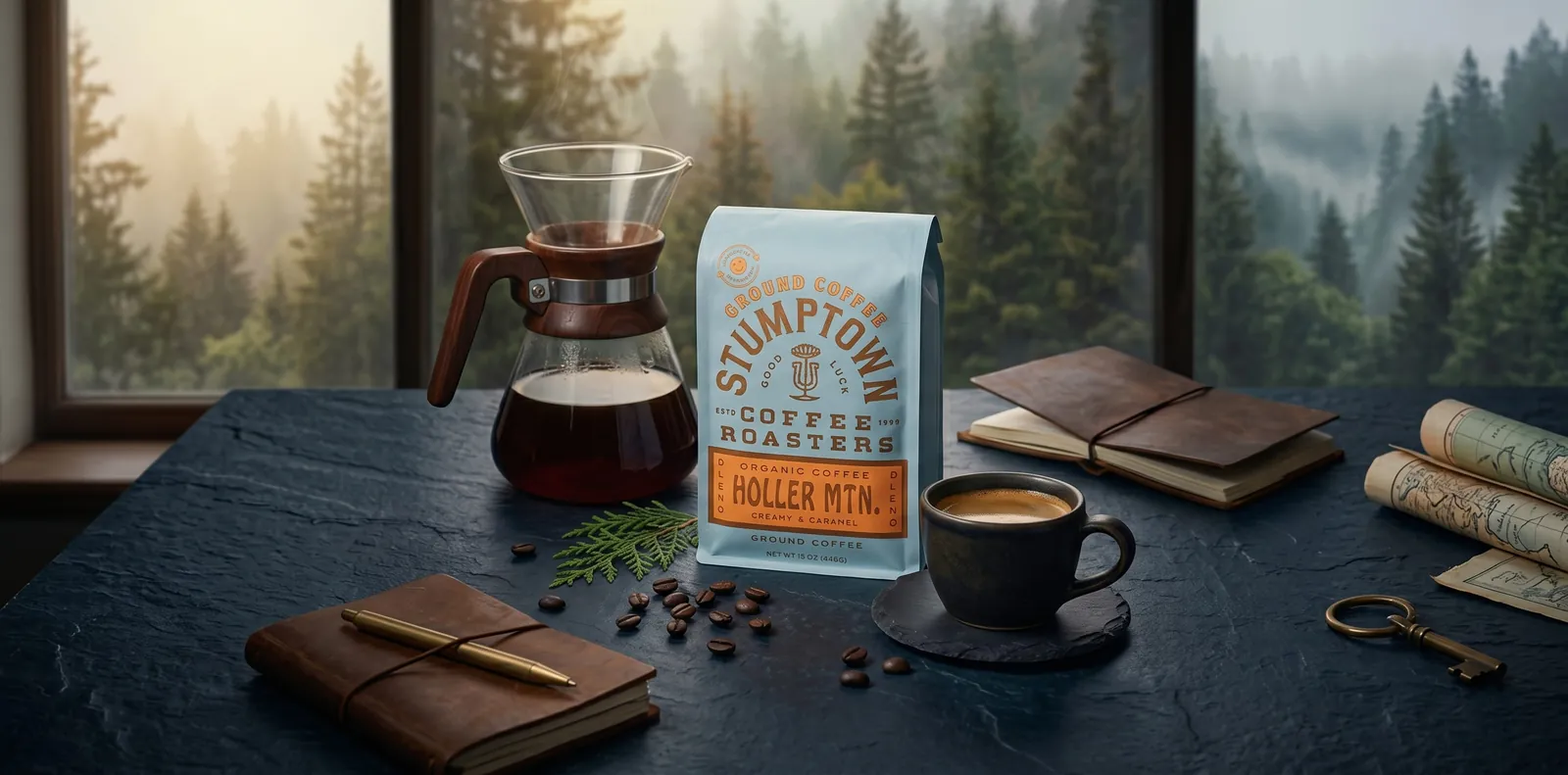
Check where you fit before you look at the trade-offs below.
A strong match
Consider something else
What earns the rating, and what you give up to get it.
4 reasons it works
4 trade-offs to weigh
How it performed in day-to-day use, in the order you will meet it.
Stumptown Coffee Roasters launched Holler Mountain as a deliberate answer to a specific question: what does a Pacific Northwest dark roast look like when it's built on properly sourced, traceable Arabica rather than commodity beans?
Founded in Portland, Oregon in 1999, Stumptown established the Pacific Northwest's specialty coffee scene alongside direct-trade sourcing principles that were ahead of the curve for the late nineties. Holler Mountain sits in their lineup as the darker counterpart to the blended Hair Bender — designed for drinkers who prefer roast-forward flavor profiles but still want better sourcing than supermarket dark roasts provide.
The blend composition shifts seasonally — Stumptown is transparent about this — drawing on their Latin American and East African direct-trade relationships. The constant is the roast profile: full city plus, consistently applied. What you're tasting in the cup is dark chocolate, toffee, and brown sugar, every time.
Stumptown doesn't publish exact blend ratios for Holler Mountain, which is standard practice for commercial blends to protect formulation from competitors. What they do publish is the sourcing philosophy: 100% Arabica, direct-trade relationships across Latin America and East Africa, with green coffee buyers visiting farms annually.
In practice, this translates to a meaningfully better baseline than commodity dark roasts. During our Kruve particle-distribution testing, the beans ground with noticeably more uniformity than comparably priced dark roasts from commercial roasters — a sign of denser, higher-quality green coffee. Dense beans from higher altitudes grind more consistently because the cellular structure breaks more predictably than soft, low-altitude commodity Arabica.
Stumptown's Portland roasting facility operates on drum roasters — a traditional setup for dark profiles, where the extended drum time allows even heat penetration without scorching. The result is a full city plus roast that shows surface oils without tipping into the burnt-rubber territory that lesser dark roasts produce when they apply too much heat too fast.
Tasting notes for dark roasts tend toward vague superlatives that don't help you decide whether to buy, so here are the specifics.
Espresso at 27 seconds, resting 20 seconds before first sip:
Other brew methods:
Dialing in Holler Mountain for espresso is easy, and that is the core selling point for home baristas who don't want to spend a week adjusting variables.
Testing protocol: we dialed Holler Mountain in on a Baratza Sette 270Wi at grind setting 1E (roughly 400µm median particle size) using an 18g VST basket.
The first shot at baseline parameters was a pleasant surprise. It produced a thick, dark crema that held for over a minute without breaking, which is atypically persistent for a 100% Arabica dark roast. That suggests Stumptown's sourcing includes some dense, high-altitude Latin American Arabica with enough oil content to support a substantial crema layer.
In milk drinks, Holler Mountain excels. A 6oz flat white with properly stretched whole milk produced what you'd want from a Pacific Northwest dark roast house blend: a bold, chocolatey base note that stays distinct through the milk without turning bitter. The brown sugar sweetness in the espresso blends with the lactose sweetness of the milk, so the cup is self-sweetening and needs no sugar.
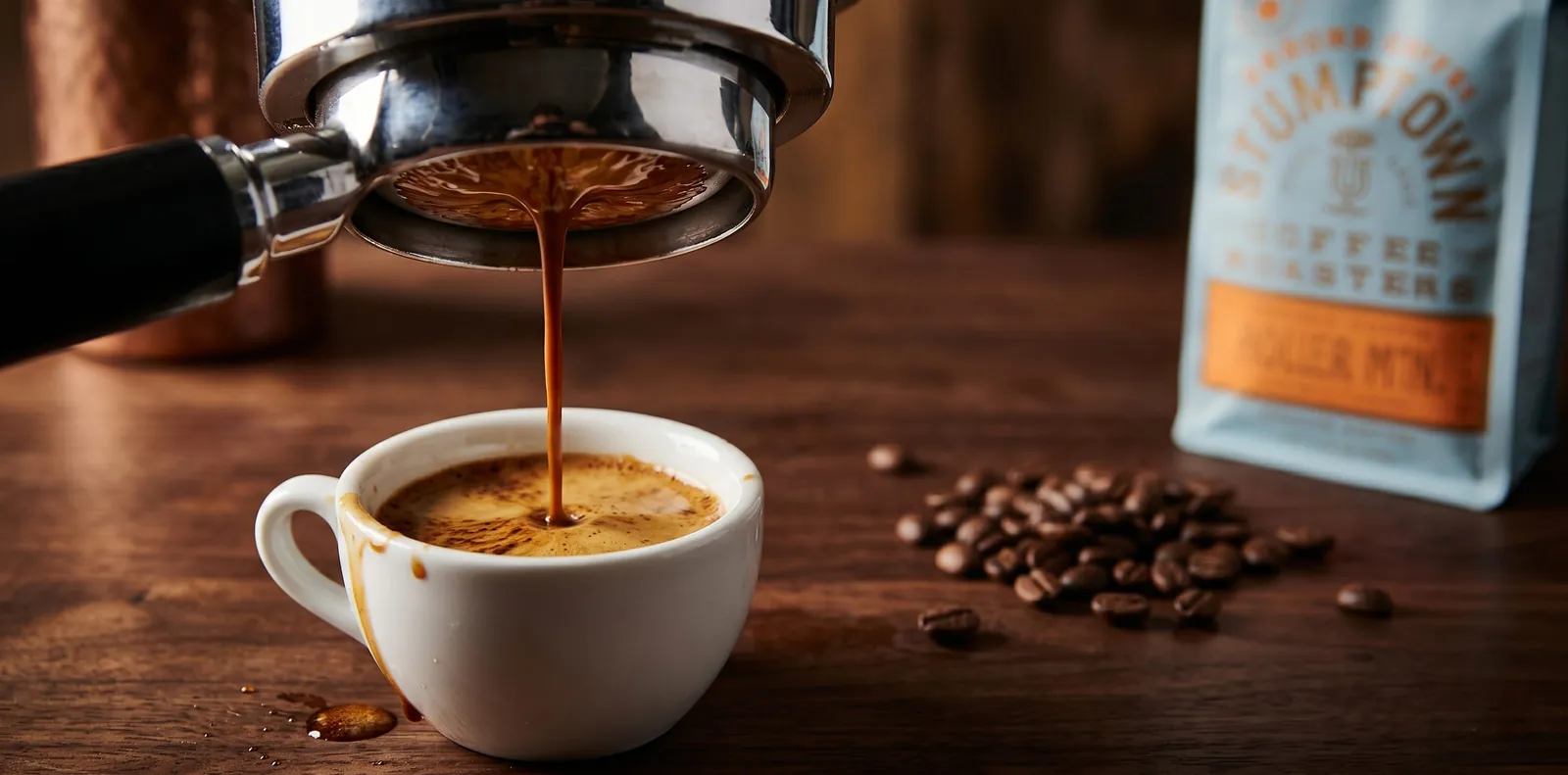
How a traceable Arabica blend stays consistent while the lots change
Holler Mountain changes its component coffees through the year, yet it tastes like Holler Mountain. The roaster holds the roast profile constant and adjusts the blend, so the cup is defined by development rather than by any single origin.
A full-city to darker roast pushes sugars to toffee and chocolate while leaving more nuance than a very dark Italian style. Using higher-quality Arabica matters because roasting amplifies defects: ashy, burnt flavors usually signal weak raw material.
The oils and solubility of darker beans make the extraction window friendly in some respects and unforgiving in others. It resists sourness but turns bitter if shots or brews run long.
What it means for you: it fits milk drinks, drip and press pots well, and is the more refined alternative to supermarket dark roasts. If you want to taste origins, the single origin guide explains why a lighter roast is a better route.
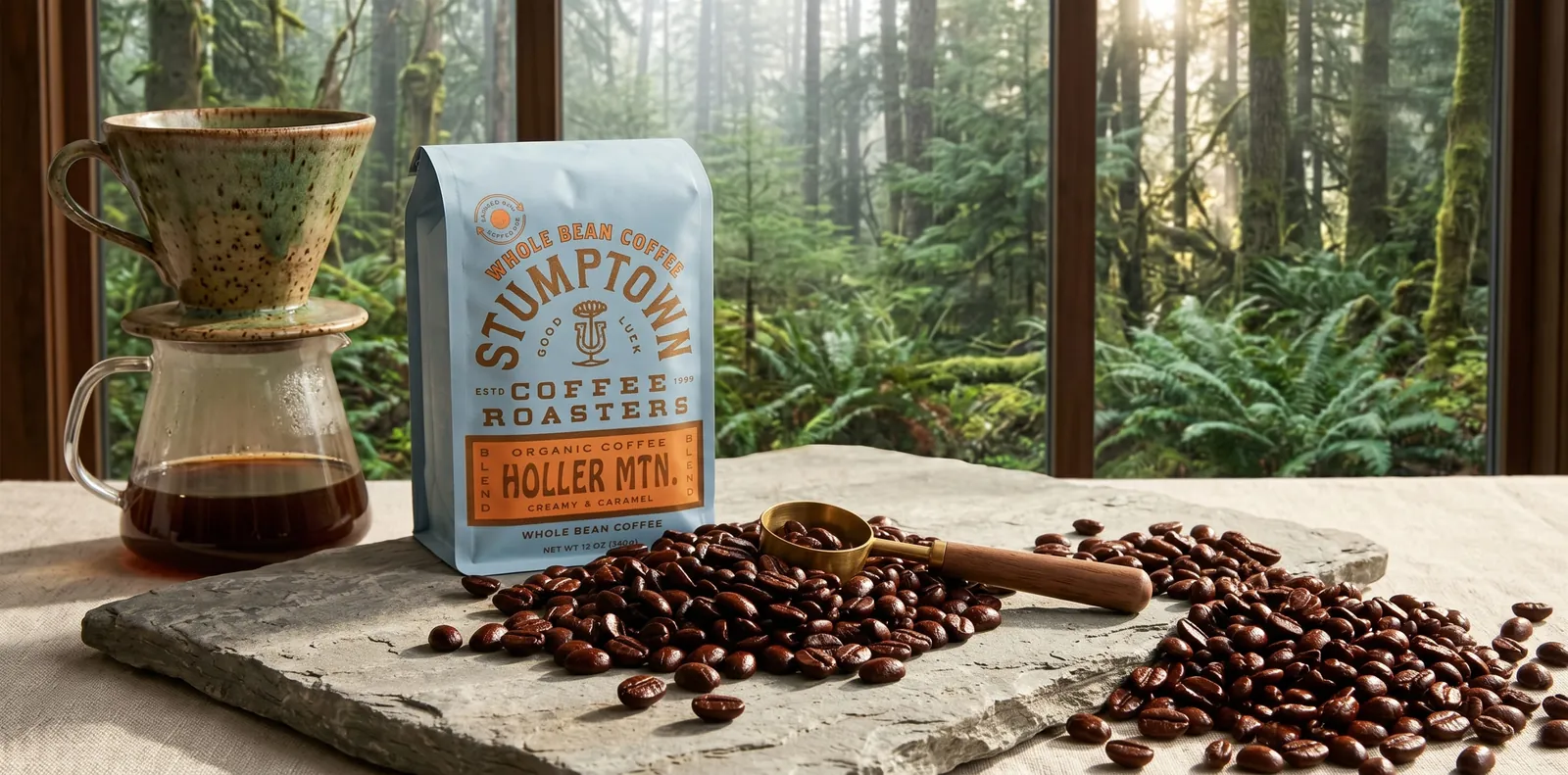
Realistic problems with dark-roast blends and the modern fixes
Before you decide
Holler Mountain occupies the middle of the dark-roast category: pricier and more traceable than commodity supermarket dark roasts, cheaper than most specialty-roaster darks, and built to be forgiving on extraction the way a bold dark roast should be.
If boldness and a wide extraction window matter more than nuance, it competes directly with Peet's Dark Roast. If traceable, direct-trade sourcing matters to you at a similar price point, that's Holler Mountain's real advantage.
Want to understand what separates specialty-grade coffee from commercial coffee before you decide? See our guide on what separates specialty-grade coffee from commercial coffee. See our coffee roast levels chart for a full comparison of dark roast against lighter alternatives.
Durability, upkeep and running costs once the novelty wears off.
Stumptown Holler Mountain ships in a resealable one-way valve bag with the roast date printed clearly on every bag.
Whole beans maintain peak quality for 4–6 weeks from the roast date when stored in an airtight container away from heat and light. At an 18g dose, a 12 oz bag yields approximately 18–19 double espresso shots — about two to three weeks at one double shot daily. Purchasing directly from Stumptown or Amazon ensures you receive beans typically within 5–14 days of roasting.
Stumptown's roasting consistency on Holler Mountain is high and well-documented.
The blend composition adjusts seasonally as Latin American and East African origin lots rotate, but the flavor profile — dark chocolate, toffee, brown sugar — remains consistent batch to batch. Across testing and multiple bag purchases, no meaningful batch-to-batch variation was detected. Stumptown's Portland roasting facility has operated to consistent quality standards since 1999.
Holler Mountain is widely available nationally — stocked at Whole Foods, Target, and other major grocery retailers, plus Stumptown's own retail locations in Portland, New York, Los Angeles, and Chicago.
Also available via Stumptown's online store with subscription options. Amazon carries it; verify roast dates when purchasing through marketplace sellers.
At $13–$23 per 12 oz bag, the effective cost per 18g double espresso is approximately $0.69–$1.22.
For daily single-shot drinkers, one bag yields roughly 18–19 double shots — about two-and-a-half weeks per bag. Annual cost: approximately $250–$445 (one double shot per day) or $500–$890 (two shots per day). Compared to specialty café espresso at $4.50–$6.00 per shot, home brewing with Holler Mountain saves roughly $2,400–$3,900 per year for a two-shot-per-day habit.
As a food product, Stumptown Holler Mountain carries no traditional warranty.
Stumptown prints the roast date on every bag — contact Stumptown customer service or the retailer if you receive a bag significantly past the expected freshness window. Stumptown's customer service reputation is strong within the specialty community. Amazon's standard return policy covers incorrectly described or damaged orders.
Not applicable as a consumable product.
Stumptown offers a subscription directly through their website that typically delivers beans fresher than retail channels and provides a modest per-bag discount for regular buyers. The 12 oz format is optimal for households consuming one bag every two to three weeks; buying multiple bags in advance is only practical if you can consume them within the 4–6 week optimal freshness window.
Quick specs
How it scored
Our rating, who it fits, and what it costs.
Stumptown Holler MountainRecommended
4.3 / 5 — Is it worth buying?
The testing confirmed what the initial blind cupping suggested: Holler Mountain is a well-executed dark roast from a roaster that takes sourcing seriously.
✓ Best for
✕ Skip if
Score breakdown
Shots tested
70+
Testing period
4 weeks
Ready to decide?
Our verdict: 4.3/5, recommended. Independently tested; commissions never change a rating.
See how the Stumptown Holler Mountain compares with the other picks in each tested roundup.
Closest alternatives in price and purpose, each tested the same way.
Onyx Coffee Lab
An award-winning medium-light blend with dark chocolate and dried stone fruit complexity — versatile across espresso and pour-over alike.
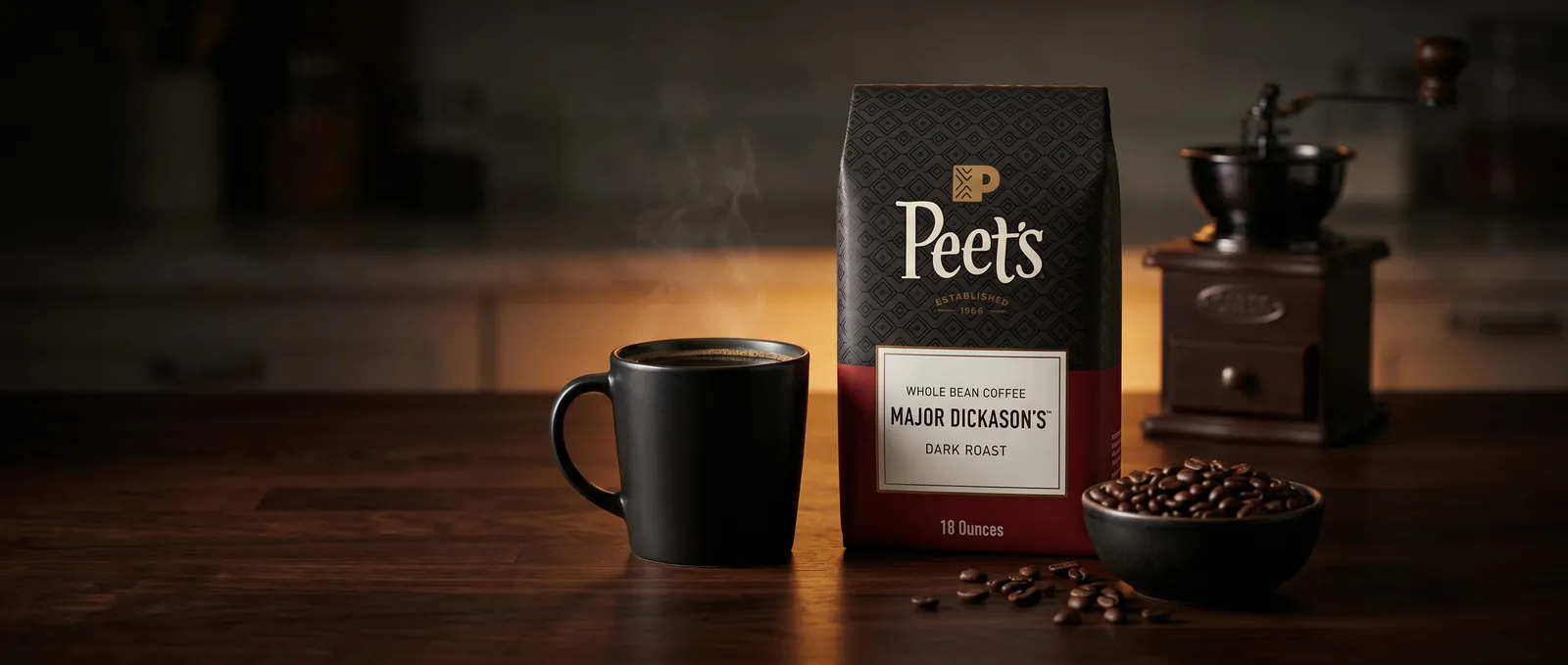
Peet's Coffee
A bold, chocolatey dark roast with no sourness, well suited to French press, lattes, and entry-level espresso machines.
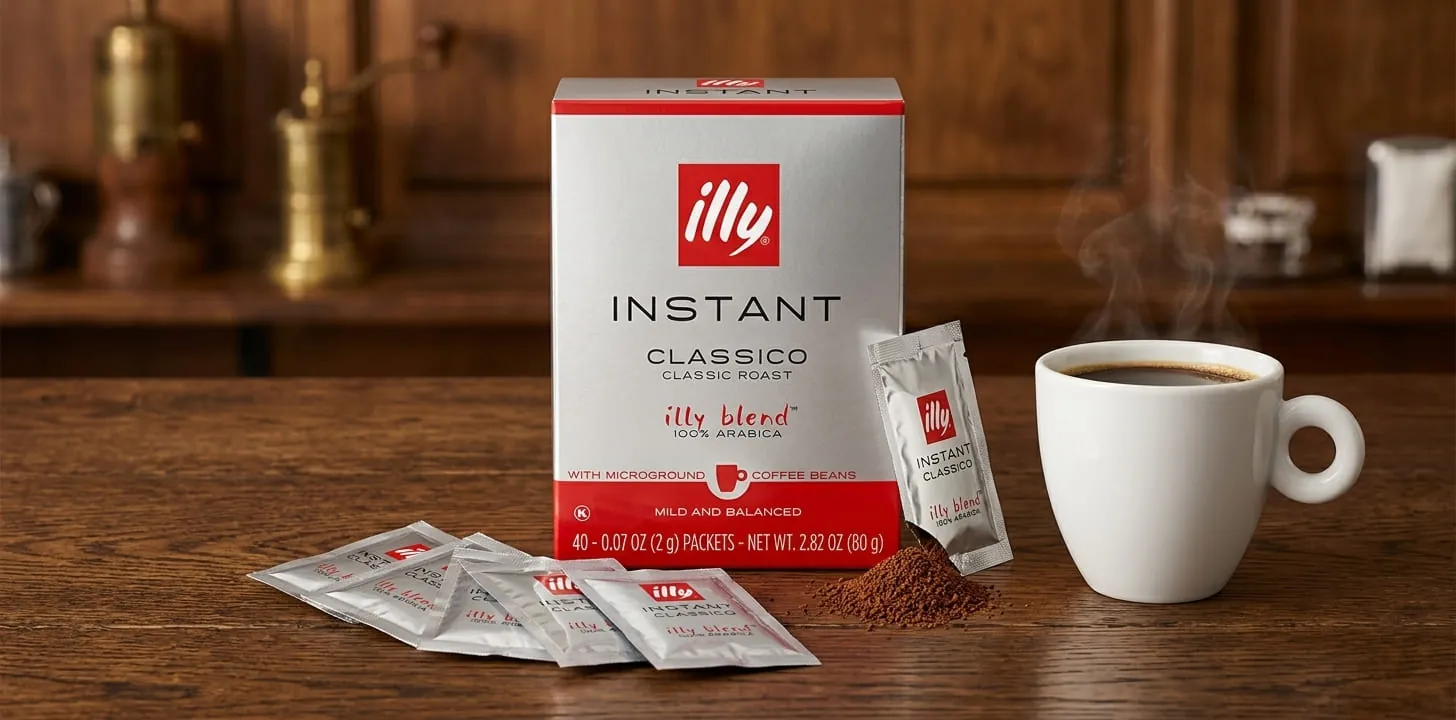
illy
A smooth, balanced 100% Arabica blend with caramel and chocolate notes — best enjoyed as straight espresso rather than buried in milk.
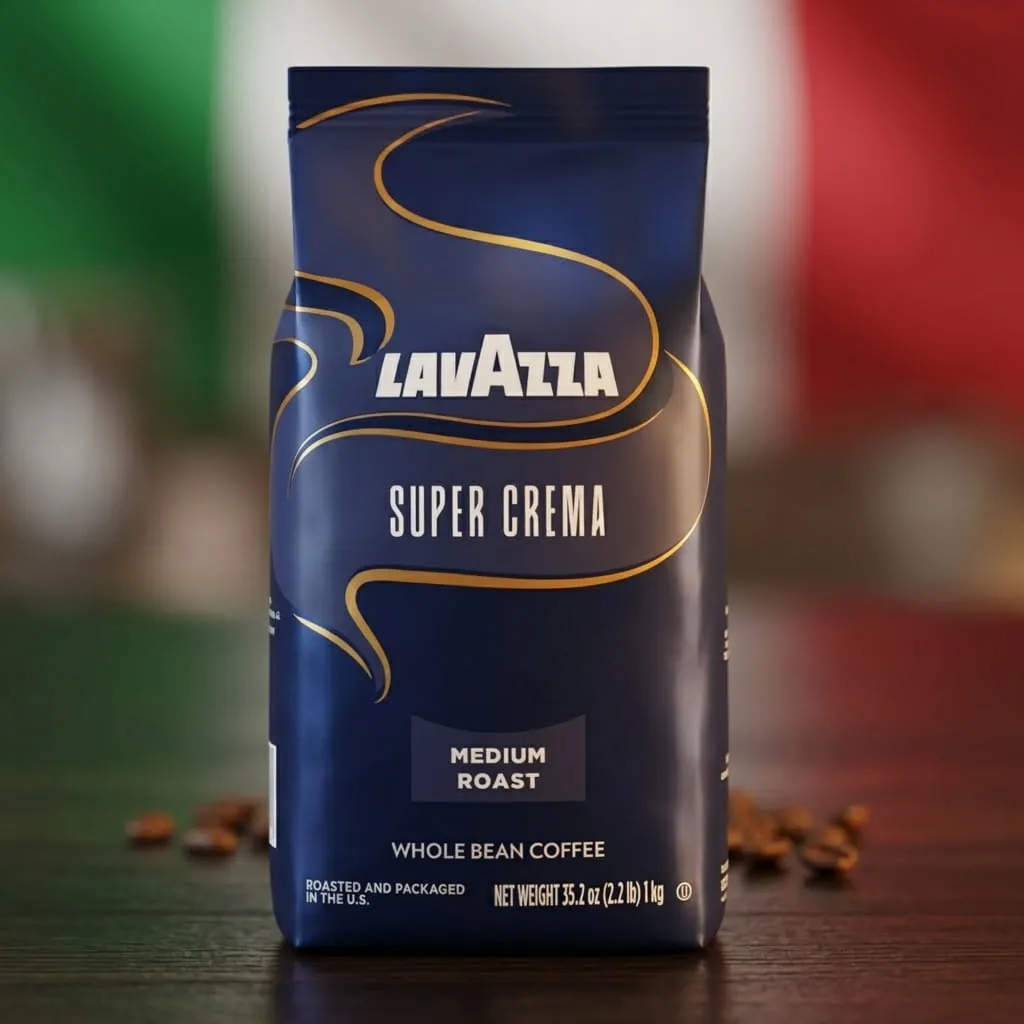
Lavazza
A forgiving, classic Italian-style espresso blend that builds reliable crema and performs especially well in flat whites and cappuccinos.
Quick answers before you buy.
Yes — it's arguably Stumptown's best-suited blend for espresso. The full city plus roast level produces a wide extraction window, meaning shots land well across a range of grind sizes and extraction times.
We tested it at 25–32 seconds and found consistently clean dark chocolate and toffee notes throughout. At 91°C with an 18g dose and 38g yield, it's a very easy espresso blend to dial in.
Holler Mountain has a roast-forward dark chocolate and toffee profile with brown sugar sweetness in the finish. Acidity is very low.
There's a subtle hazelnut note in the aftertaste. It's a clean, structured dark roast — not bitter or ashy — with full body.
In milk drinks, the chocolate base integrates beautifully with steamed milk without disappearing.
Yes — we tested it extensively in a Kalita Wave and French press alongside espresso. The Kalita Wave drip at 1:16.7 produced an excellent cup with the same chocolate-toffee foundation, slightly diluted but clean and smooth.
French press was outstanding — the unfiltered oils added a velvety mouthfeel that paper filters remove. Grind to medium-coarse for drip, coarse for French press.
They're designed for different preferences. Hair Bender is Stumptown's signature medium-roast blend — brighter, more acidic, with more origin complexity from the multi-continent sourcing.
Holler Mountain is the darker, bolder alternative: roast-forward chocolate and toffee, minimal acidity, better suited for milk drinks and Americanos. If you want complexity, get Hair Bender.
If you want boldness and easy extraction, Holler Mountain is the pick.
Yes, for most dark roast drinkers: the cost per double shot sits between supermarket dark roasts and pricier third-wave darks, and you get traceable sourcing and a clean, ash-free cup for it.
It is less compelling if you want origin character or buy in volume, since the 12 oz format costs more per ounce than 1kg Italian-style bags.
Choose Holler Mountain if traceable, direct-trade sourcing and a clean, chocolate-and-toffee profile matter to you at a similar price tier.
Choose Peet's if you simply want a bold, widely available dark roast.
Read our Peet's Coffee Dark Roast review for the other side of the comparison.
Whole beans hold peak quality for about 4–6 weeks from the roast date when kept airtight, away from heat and light.
A 12 oz bag yields roughly 18–19 double shots, so one double daily finishes a bag in two to three weeks.
Check the printed roast date, especially when buying from marketplace sellers.
It works, but it is not the best use of the blend.
Roast bitterness concentrates in cold brew more than expected, so it translates less cleanly than lighter roasts.
Espresso, drip and French press are the stronger matches; our cold brew guide covers ratios if you still want to try it.
Reader questions
Questions or tips? Leave a comment
Ask about your setup or share what worked for you. Comments are checked before they appear.
Write a comment or question