
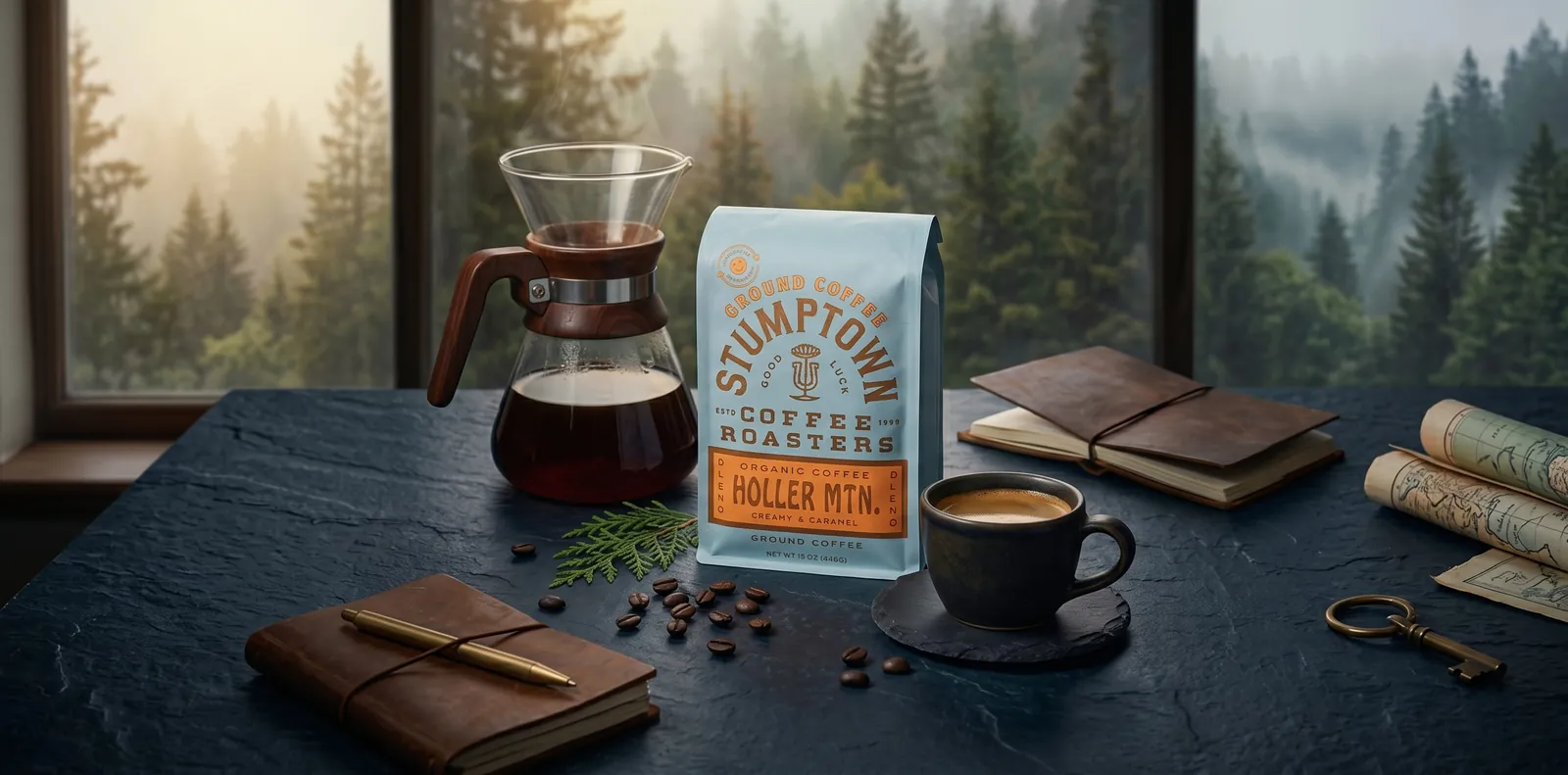
A widely available specialty roaster blend
Stumptown Holler Mountain
Typical price: $13–$23
Coffee Education
Last updated
What specialty coffee is: the SCA 80+ point scale, how grading works and what separates specialty from commodity coffee
Affiliate disclosure: this page contains Amazon affiliate links. We may earn a commission if you buy through them, at no extra cost to you, and it never affects our rankings. Read our full affiliate disclosure
Specialty coffee scores 80+ out of 100 on the SCA cupping scale, as judged by certified Q Graders. It usually tastes cleaner and more complex than commercial coffee, but only if it is fresh and brewed with decent gear. See our best coffee beans for espresso.
Understand the grading system that sets these beans apart before they are even roasted.
Certified Q Graders cup each sample on 10 categories (aroma, flavor, aftertaste, acidity, body, balance, uniformity, clean cup, sweetness, overall). The total decides the grade. It is a third-party standard, not a marketing claim.
Translate scoring numbers into flavors and qualities you can actually notice.
Layered flavor, a clean cup free of defects, pleasant acidity and balanced body. Traceability is common but not part of the score.
| Score | Grade |
|---|---|
| 80–100 | Specialty |
| 74–79 | Just below specialty ("premium" is informal) |
| 60–73 | Commercial |
| Under 60 | Below standard |
Quality starts on the farm and is protected through every step.
Specialty coffee starts with good growing conditions, careful picking and tight control of processing and drying. Defects are removed before roasting, so the final cup is cleaner and more distinctive.
Grading is done by tasting. Trained Q Graders assess aroma, flavour, acidity, body and balance on the SCA scale. That is separate from price, trade labels or whether the coffee is organic.
Roast date, storage and brewing still matter, because even a high-scoring coffee tastes flat if it is old or poorly brewed.
Compare farming, sourcing, roasting and flavor to see where the gap comes from.
| Specialty | Commercial | |
|---|---|---|
| Growing | High altitude, slow ripening | Often lower, for yield |
| Processing | Controlled and monitored | Fast, bulk |
| Traceability | Farm or lot | Blend of many farms |
Growing
Processing
Traceability
Commercial coffee is not bad coffee; it is designed for consistency and price at large scale. Specialty coffee trades some of that consistency for character, so two bags of the same origin from different harvests can taste noticeably different.
Label clues and details on the bag that reveal quality, so you can shop with confidence.
Most bags do not print a score. Look for these signals instead:
Specialty can be single-origin or a blend; see what is single-origin coffee.
An honest look at when the premium is noticeable and when it is not.
Yes, when brewed well and roasted within about 4 weeks: cleaner, more complex and more balanced.
Quick decision guide
IF you brew with a decent grinder and fresh beans
specialty coffee is worth the extra cost. See our best coffee grinders.
IF you use pods or stale pre-ground coffee
fix freshness and grinding first.
Buying, storing and brewing steps that protect what you paid for.
Single dosing, small bags and a simple scale give a lot of benefit for little cost. If you are unsure about roast style, our roast levels chart is a good start.
Quality control at every step, and usually a fresher roast.
None of this guarantees you will prefer a specialty coffee. Some people prefer the roasty, low-acid taste of a dark commercial blend, especially with milk. But if you have only tried supermarket coffee, a fresh specialty bag is the easiest way to taste how varied coffee can be.
Good beans need a decent grinder and fresh brewing to show their difference.
Grind fresh. Pre-ground coffee loses aroma within minutes to hours; a burr grinder makes the biggest difference to specialty coffee.
Use the right roast for your method. Many roasters label coffees for filter or espresso.
Weigh coffee and water. Ratios around 1:15 to 1:17 for filter, or 1:2 for espresso, give you a consistent starting point.
Use filtered water. Very hard or chlorinated tap water hides delicate flavours.
Drink within a few weeks of roasting. Buy smaller bags more often rather than one large bag.
If you brew with a blade grinder and stale water, specialty beans will taste only slightly better than supermarket coffee. With a burr grinder and good water, the difference is obvious. Our burr vs blade grinder guide explains why, and the coffee ratio calculator works out doses for any cup size.
Local roasters first, then subscriptions and specialty-focused shops.
Local roasters are usually the freshest option and can tell you how they intend each coffee to be brewed. Many also sell online with roast-to-order shipping. Coffee subscriptions are a convenient way to try different origins and roast styles. Some supermarkets now stock specialty brands, but check the roast date; a specialty coffee roasted months ago will taste flat.
When you find a coffee you like, note the origin, processing method and roast level. Over a few bags, you will learn which combinations you prefer, which makes choosing the next one much easier. Our what is single-origin coffee guide explains origins and processing in more detail.
Per cup, the difference is often smaller than it looks.
Specialty coffee costs more per bag, but the extra cost per cup is often modest. A typical 250–340 g bag makes roughly 15–20 filter cups or 14–18 double espressos, so even a noticeably more expensive bag usually adds only a small amount to each cup, far less than buying the same drink in a café.
Whether it is worth it depends on how you brew. With a burr grinder, fresh water and weighed recipes, the extra flavour is easy to taste and good value. With pre-ground coffee in an old machine, you are paying for qualities you will barely notice. Upgrade the grinder and freshness first, then the beans.
Reviewed bags that make a good starting point for tasting the difference.
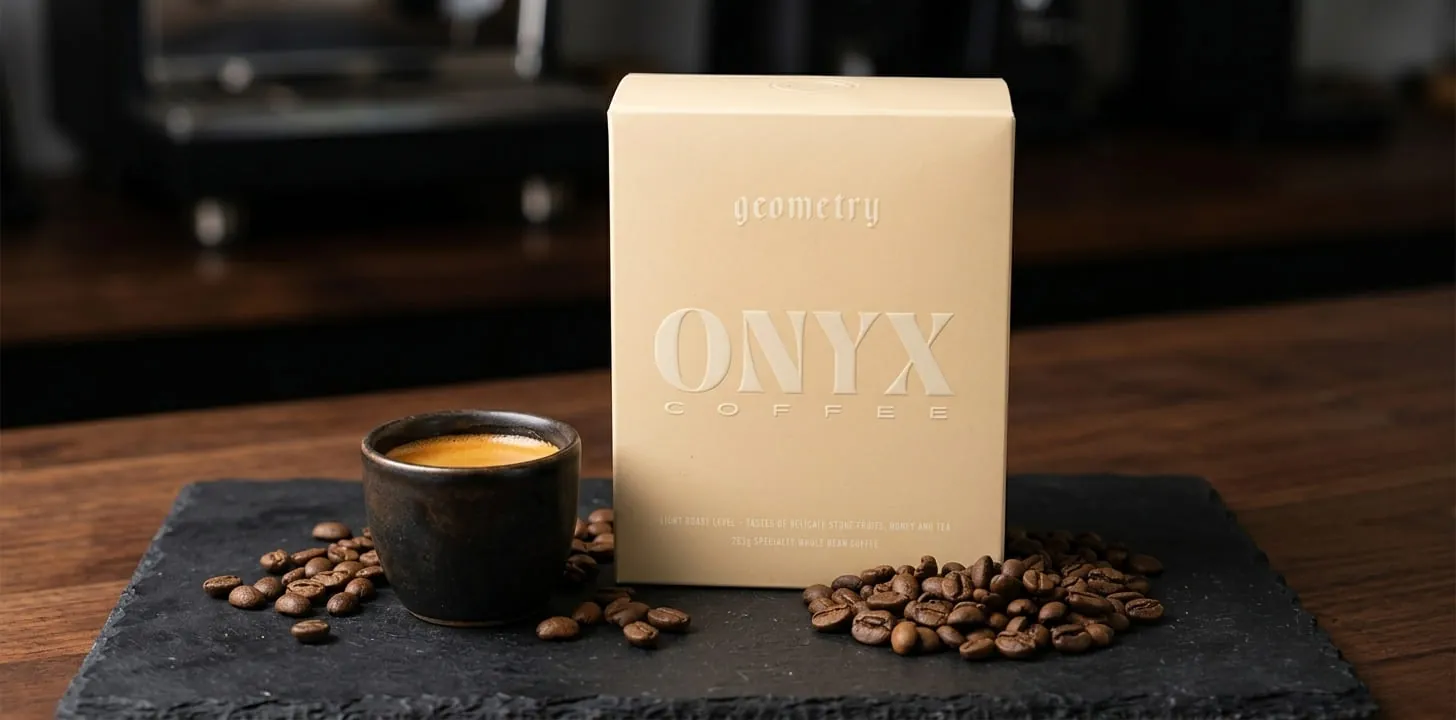
Reviewed on this site, including Onyx Geometry and Blue Bottle Three Africas, a filter-first specialty coffee. Roast guidance: roast levels chart; for espresso, how to pick espresso beans.
A widely available specialty roaster blend
Typical price: $13–$23
A specialty espresso blend
Typical price: $18–$22
Affiliate links: we may earn a commission at no extra cost to you.
Quick answers before you buy.
No. Specialty refers to a quality score of 80+, while single-origin refers to where beans come from.
Many specialty coffees are single-origin, but not all.
Trained, certified tasters called Q Graders cup and score coffee on the SCA scale.
Scores come from a structured tasting of aroma, flavour, acidity, body, balance and more, plus a check for defects.
Often yes if you brew fresh coffee with a decent grinder, since the cleaner flavour is easier to notice.
If you mainly drink milk-heavy drinks or use stale pre-ground coffee, the gain is smaller.
Not by label alone.
Specialty is a score on individual coffee lots, and most large-chain blends do not publish SCA scores.
Check the bag for a score, origin detail and roast date.
Use whole beans, grind just before brewing and weigh your coffee and water.
Filter methods like pour over highlight flavour clearly, while a good grinder matters most.
Yes.
Freshness matters more with specialty beans because their delicate flavours fade.
Buy whole bean with a roast date, store airtight away from light and heat, and use within a few weeks.
Keep reading: more guides on the same topic.
 Explained
Coffee Education6 min read
Coffee roast levels chart comparing light, medium and dark roast by flavor, acidity, body and brew method, plus the caffeine myth.
 Explained
Coffee Education6 min read
What is single-origin coffee? How it differs from blends and specialty grade, and what to check on the bag before you buy.
 Compare
Buying6 min read
Pick espresso beans by roast, blend type, roast date and price, with a simple match-to-taste guide and reviewed bags to start with.
Reader questions
Questions or tips? Leave a comment
Ask about your setup or share what worked for you. Comments are checked before they appear.