
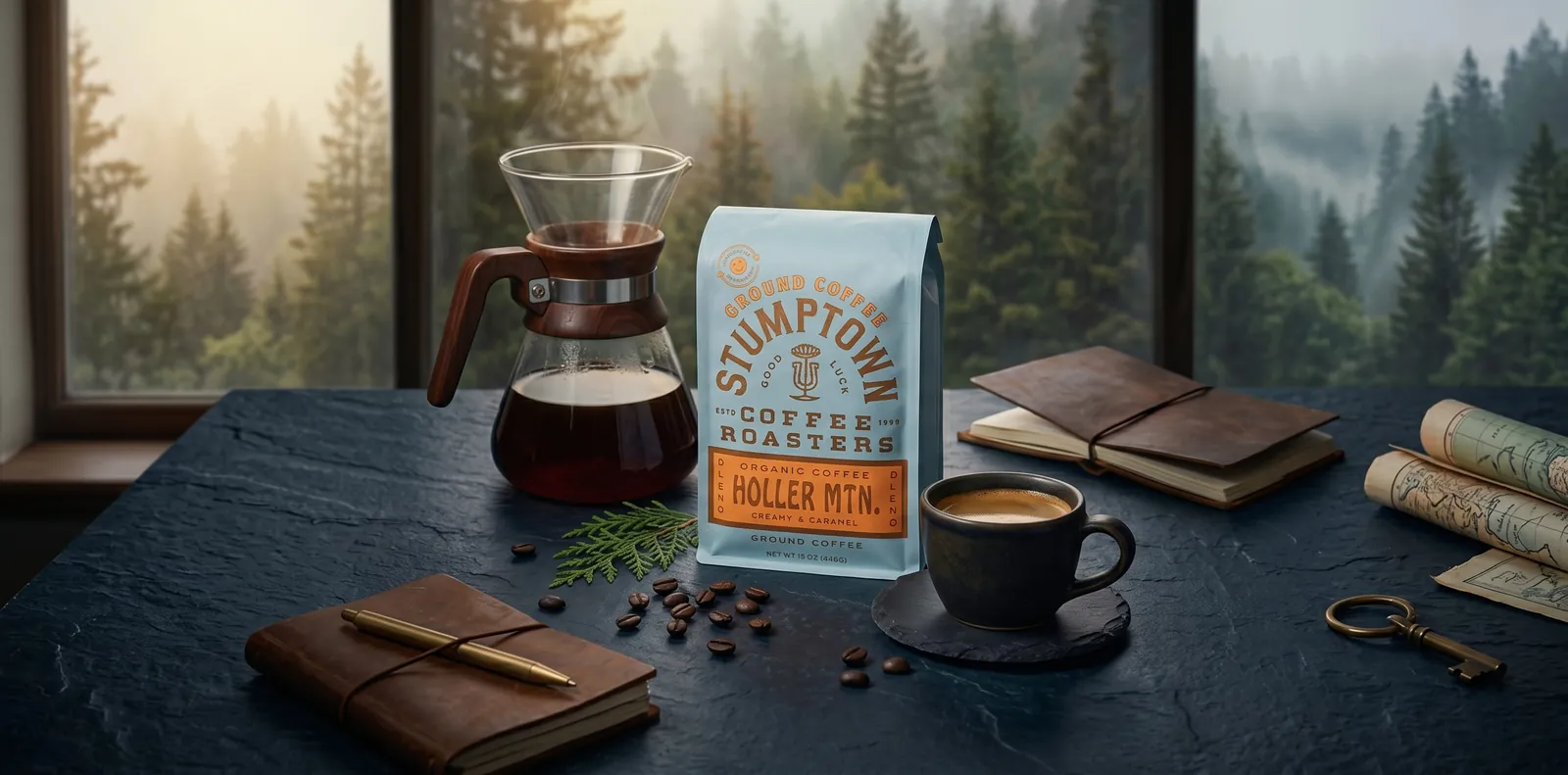
Stumptown Coffee Roasters
Stumptown Holler Mountain
A Pacific Northwest-style dark roast with a bold, chocolatey body that holds up well across espresso, Americanos, and French press.
Coffee beans review
Last updated
A bold, chocolatey dark roast with no sourness, well suited to French press, lattes, and entry-level espresso machines.
Affiliate disclosure: this page contains Amazon affiliate links. We may earn a commission if you buy through them, at no extra cost to you, and it never affects our rankings. Read our full affiliate disclosure
Peet's Coffee Dark Roast Whole Bean at a GlanceRecommended
A bold, dependable dark roast that stays clean, but espresso shots turn bitter if you run past 31 seconds.
Dark Roast Whole Bean · Peet's Coffee
Why it stands out
Watch out for
✓ Best for
Dark roast drinkers who want bold, roast-forward flavor without bitterness or sourness
✕ Skip if
Third-wave specialty coffee fans expecting origin transparency, fruit-forward notes
Affiliate link: we may earn a commission at no extra cost to you. It never affects our rating.
This Peet's dark roast review covers Major Dickason's Blend, the bold, low-acid answer since 1966. In our testing it rarely turned ashy or sour, as long as it stayed inside the right extraction window.
The short answer: For $15 it's a dependable dark roast with real dark chocolate and smoky-sweet character, best suited to French press, drip and milk drinks.
If you're pulling it as espresso, see our espresso dial-in guide, or for picking beans more broadly, our guide to choosing espresso beans.
Check where you fit before you look at the trade-offs below.
A strong match
Consider something else
What earns the rating, and what you give up to get it.
4 reasons it works
4 trade-offs to weigh
How it performed in day-to-day use, in the order you will meet it.
Peet's offers several dark roast coffees, but Major Dickason's Blend is the flagship — the multi-origin dark roast most widely stocked on Amazon and in grocery retail.
Alfred Peet developed the blend with a loyal customer, Army Master Sergeant Kent Dickason, in the 1960s, and its character has barely changed since — a rare case of a commercial blend staying true to its original profile. It draws on Latin American and Asia-Pacific Arabica, roasted to a full dark development with visibly oily beans.
At 10.5 oz, it sits between grocery-shelf convenience and specialty-adjacent quality: more developed and complex than a commodity dark roast, less sourcing-transparent than a dedicated third-wave roaster.
Peet's is workable to dial in, but rewards more attention to extraction time than Holler Mountain does.
We dialed Peet's Dark Roast in on a Baratza Sette 270Wi using an 18g VST basket, pulling shots slightly cooler than for a light roast to protect the already-porous beans from over-extraction.
Kruve sifter analysis showed a fines fraction around 17%, a touch higher than Stumptown Holler Mountain at the same roast level. That tracks with less dense source beans and means less margin for error on contact time.
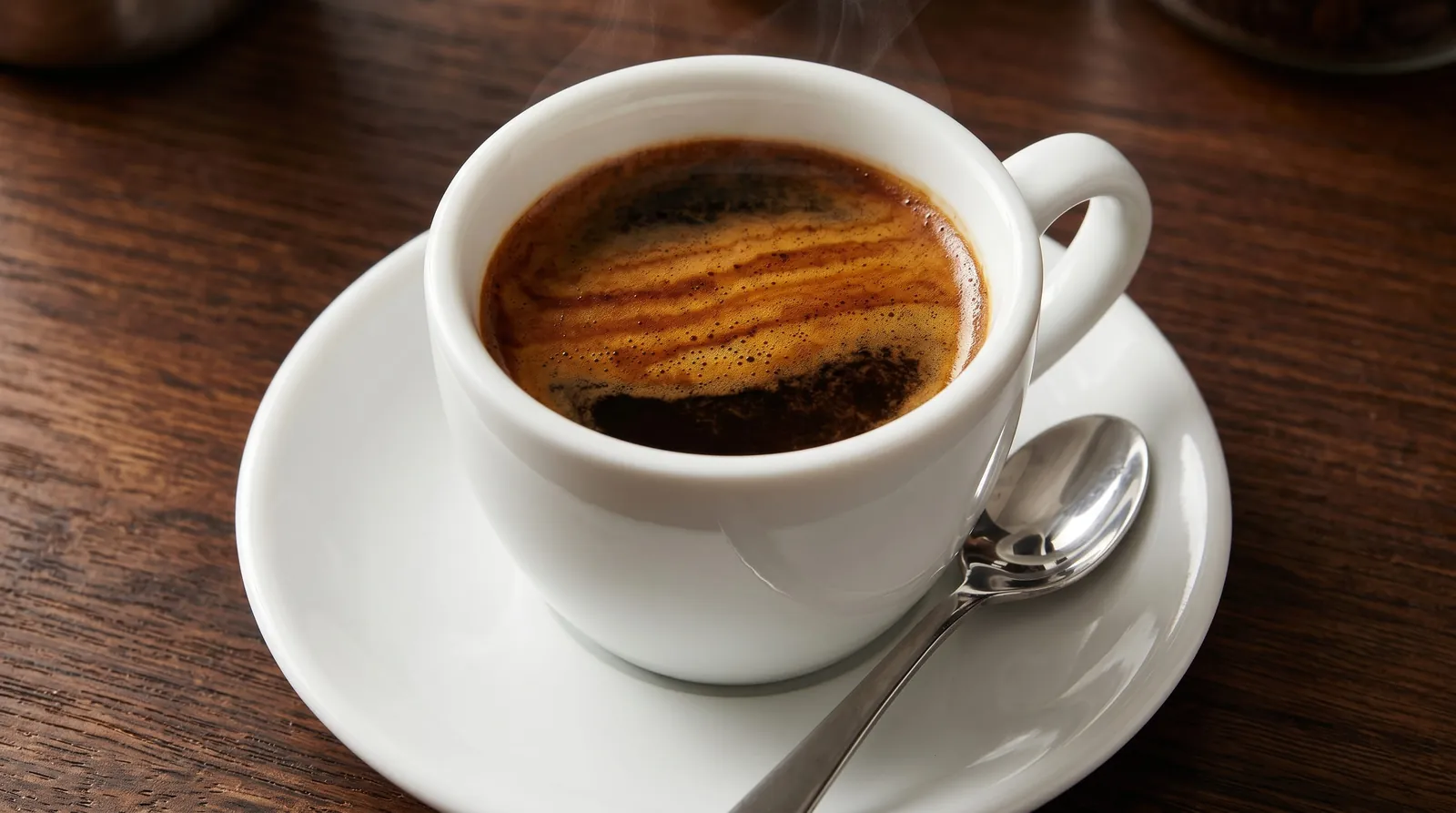
What $15 buys, and when a cheaper or pricier bag makes more sense
At a typical $15 for a 10.5 oz bag, Major Dickason's Blend sits in the middle: more developed than a commodity supermarket dark roast, cheaper per ounce than many third-wave bags. Whether it is worth it depends on what you want from a dark roast.
If you want a heavy-bodied, chocolate-and-smoke cup that is easy to find and consistent from bag to bag, it is good value. The batch consistency means you can buy it without wondering whether this bag will taste like the last one, which is worth something when it is your everyday coffee.
If you want to taste where the coffee came from, it is the wrong purchase at any price. Dark roasting consumes origin character, and a bag labelled as a multi-origin blend will not give you the transparency of a single-origin lot.
A practical rule: buy it if you already enjoy dark roast and mostly brew French press, drip or milk drinks. Skip it if you are trying to move toward lighter, fruit-forward coffee.
Dark roast flavor explained for buyers
The flavor notes above (dark chocolate, smoky-sweet, long dry finish) come from roast development, not from the beans themselves. Dark roasting breaks down acids, which is why acidity is very low, and pushes oils to the bean surface, which is why the beans look glossy.
What that means for you:
If you want to understand how dark roast sits against lighter roasts before you buy, our light vs dark roast chart explains the differences, and the guide on why coffee tastes bitter covers the extraction side.
Matching the bean to your equipment
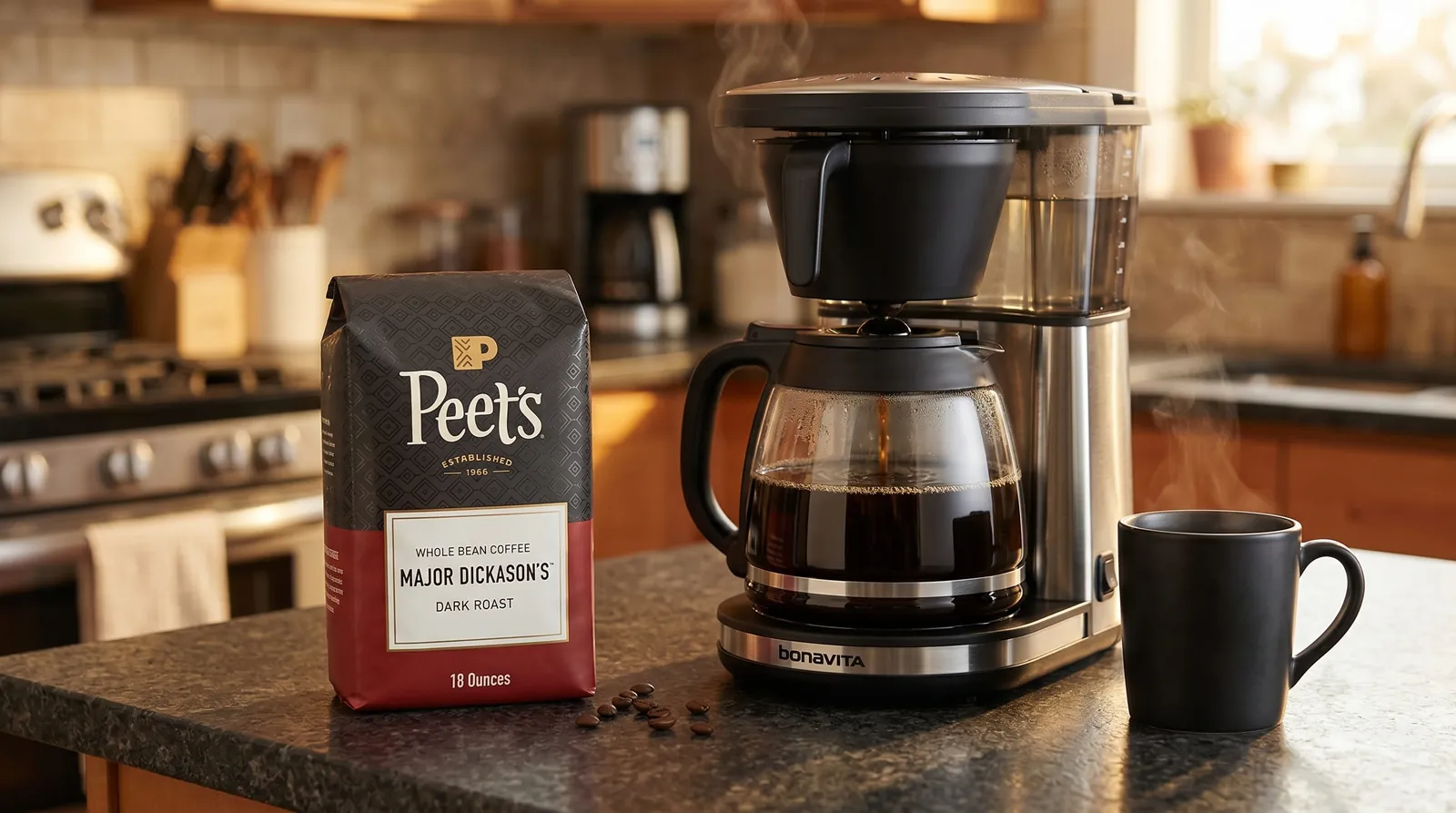
How it compares with the closest reviews on this site
| Coffee | Roast | Flavor notes | Best for | Current price |
|---|---|---|---|---|
| Peet's Dark Roast | Dark | Dark chocolate, smoky-sweet | Dark roast fans, French press, lattes, entry-level espresso | Check current price |
| Stumptown Holler Mountain | Full city plus (dark) | Dark chocolate, toffee | Americanos, flat whites, lattes | Check current price |
| Intelligentsia Black Cat Classic | Medium | Milk chocolate, dried cherry, brown sugar | Straight shots and milk drinks | Check current price |
Whichever you choose, the decision comes down to whether you value boldness (Peet's) or ease of dialing in and traceability (Stumptown). To check a shot, enter it in our espresso dial-in calculator.
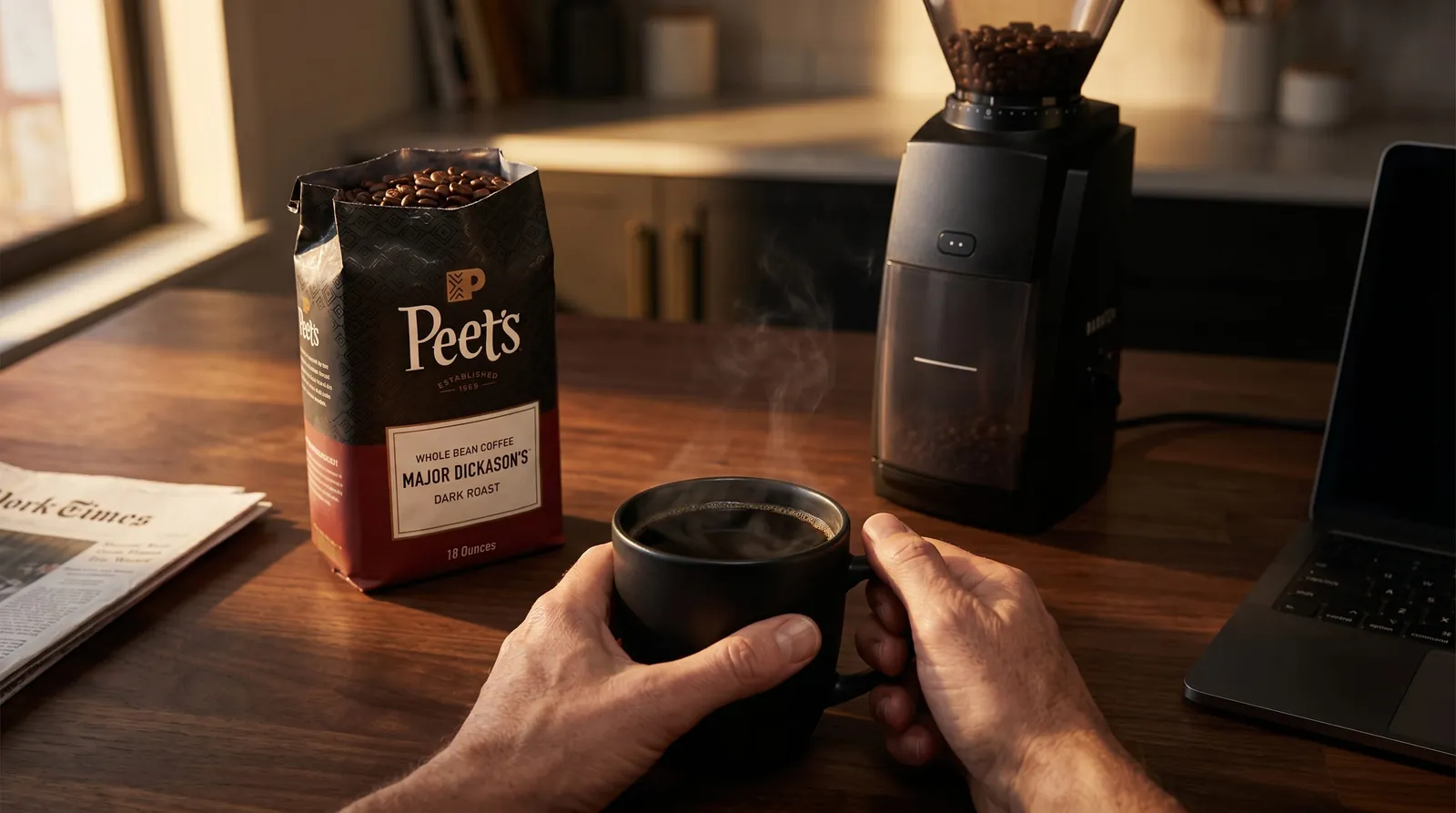
Check the printed roast date before you buy. Grocery shelf stock can sit longer before reaching you, so buying direct from Peet's or online usually gives a fresher bag.
Once opened, keep beans in an airtight container away from heat and light. Beans stay in good condition for about 4-6 weeks from roasting, and one bag lasts roughly two to two-and-a-half weeks of daily double shots, so a 10.5 oz bag is a sensible size for one or two drinkers. Buying several bags at once makes sense only if you can store them sealed.
Whole bean is the better format if you own a grinder. Pre-ground is acceptable for drip or French press if convenience matters more than freshness. Our French press ratio calculator works out coffee for 12, 17 or 34 oz presses.
If you find that the bitterness is getting through despite correct technique, our guide to fixing bitter espresso walks through the adjustments.
If any of those describes you, consider an alternative from our reviews, or pick a medium-dark single origin.
Why Major Dickason's Blend tastes smoky-sweet and how that shapes brewing
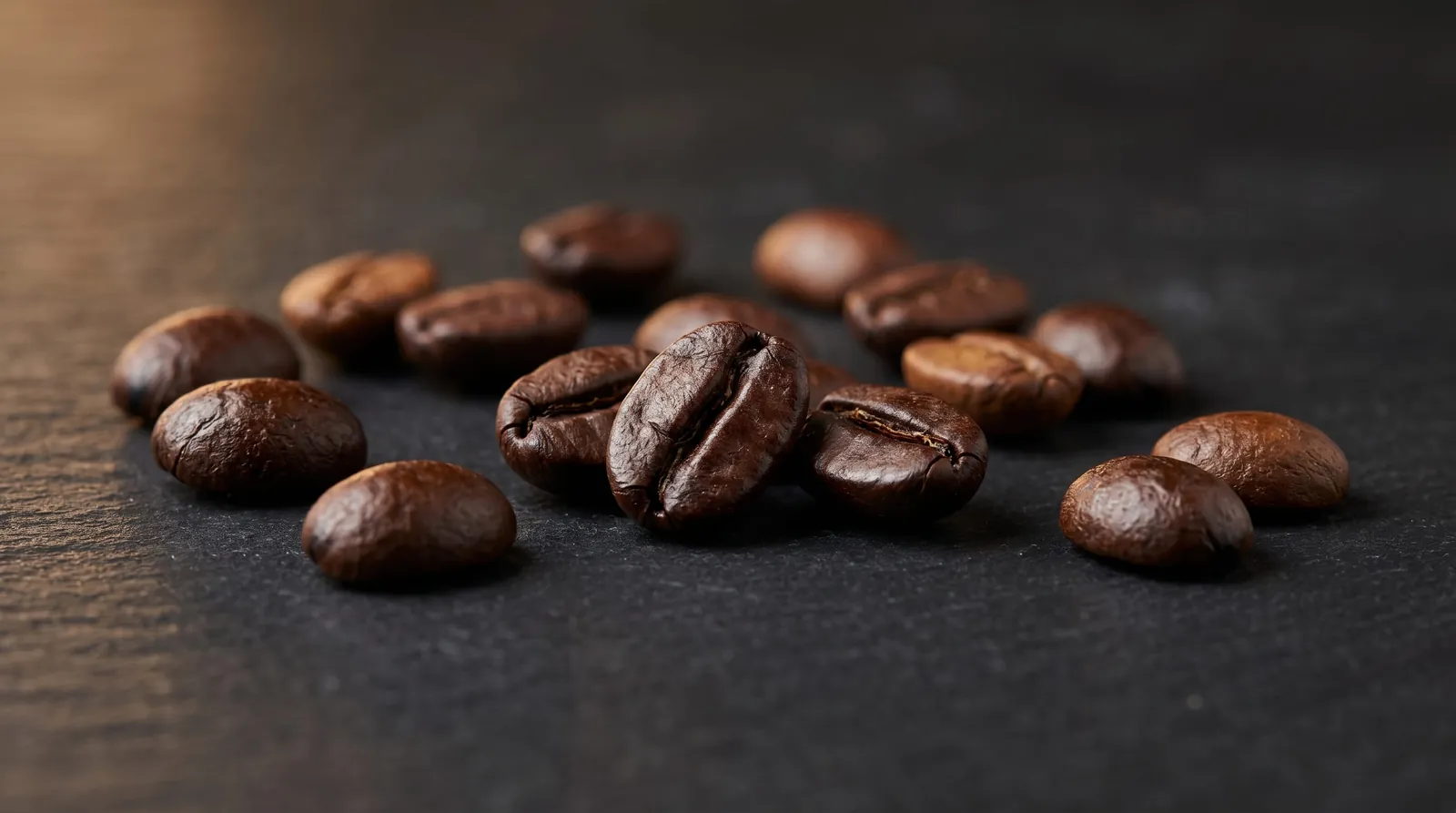
Roasting past the second crack caramelizes sugars further, drives off most acidity and brings oils to the surface. The result is heavier body, bittersweet chocolate and smoke, with less origin character.
Dark beans are also more brittle and more soluble. They extract quickly, so water gives up flavor early and bitterness arrives soon after. That is why long contact times and very hot water turn a dark roast ashy, and why gentler methods suit it. The wider picture is in the roast levels chart.
Porous, oily beans also stale a little differently. They taste fine for longer than a light roast, but the surface oils oxidize and can go rancid in a warm kitchen.
What it means for you: use slightly cooler water, a coarser grind than you would for a light roast, and shorter contact. French press and drip are forgiving. Espresso works, but it needs attention.
Typical dark-roast complaints and the equipment habits that prevent them
Before you decide
Peet's Coffee Dark Roast sits between everyday accessibility and real quality: bold enough to satisfy dedicated dark roast drinkers, available enough to anchor a daily routine without subscription management.
If you're choosing between it and a specialty-roaster dark blend, the real question is whether boldness or complexity matters more to you. Peet's wins the boldness category clearly, while a roaster like Stumptown wins on complexity and sourcing transparency.
To see what separates specialty-grade from commercial coffee before you decide, read our guide on what separates specialty-grade coffee from commercial coffee. For more on what dark roast means chemically and how it compares to lighter roasts, see our coffee roast levels chart.
Durability, upkeep and running costs once the novelty wears off.
Ships in a sealed valve bag with a printed roast date.
Whole beans stay in good drinking condition for 4–6 weeks from roasting when stored airtight, away from heat and light. An 18g dose yields roughly 16–17 double shots per bag — about two to two-and-a-half weeks of daily use. Buy online or direct from Peet's for the freshest roast dates; grocery stock can sit 30–45 days before reaching shelves.
Major Dickason's Blend has held a consistent profile for decades, adjusting origin contributions seasonally without shifting its core dark chocolate and smoky-sweet character.
Batch-to-batch variation is minimal — expect the same cup from bag to bag.
One of the most widely stocked specialty-adjacent dark roasts nationally — Whole Foods, Safeway, Target, Kroger, Peet's own retail locations, and online.
Available whole bean or pre-ground. Subscribe & Save on Amazon or via Peet's website typically cuts 5–15% off the per-bag price.
At $10–$20 per 10.5 oz bag (typically $15), that works out to roughly $0.60–$1.21 per 18g double shot (about $0.90 at the typical $15), or about $220–$440 a year at one double shot daily.
Compared to specialty café espresso at $4.50–$5.50 a shot, brewing Peet's at home saves roughly $1,200–$1,800 a year at the same consumption rate.
As a food product, Peet's Dark Roast carries no traditional warranty, but freshness is backed by printed roast dates — both Amazon and Peet's customer service will address a bag that arrives significantly past date or in poor condition.
Quality issues with factory-sealed bags are rare.
Not applicable as a consumable product.
Subscribe & Save on Amazon or Peet's own site provides 5–15% ongoing discounts for regular buyers, and multi-bag orders suit households with higher consumption.
Quick specs
How it scored
Affiliate link: we may earn a commission at no extra cost to you. It never affects our rating.
Our rating, who it fits, and what it costs.
Peet's Coffee Dark Roast Whole BeanRecommended
4.4 / 5 — Is it worth buying?
The testing confirmed what Peet's has built its reputation on for 60 years: Major Dickason's Dark Roast is a dependable, boldly roasted blend that delivers real dark chocolate and smoky-sweet character, without the sourness or ashy bitterness that defines lower-quality dark roasts.
✓ Best for
✕ Skip if
Score breakdown
Shots tested
65+
Testing period
4 weeks
Ready to decide?
Our verdict: 4.4/5, recommended. Independently tested; commissions never change a rating.
See how the Peet's Coffee Dark Roast Whole Bean compares with the other picks in each tested roundup.
Closest alternatives in price and purpose, each tested the same way.
Stumptown Coffee Roasters
A Pacific Northwest-style dark roast with a bold, chocolatey body that holds up well across espresso, Americanos, and French press.
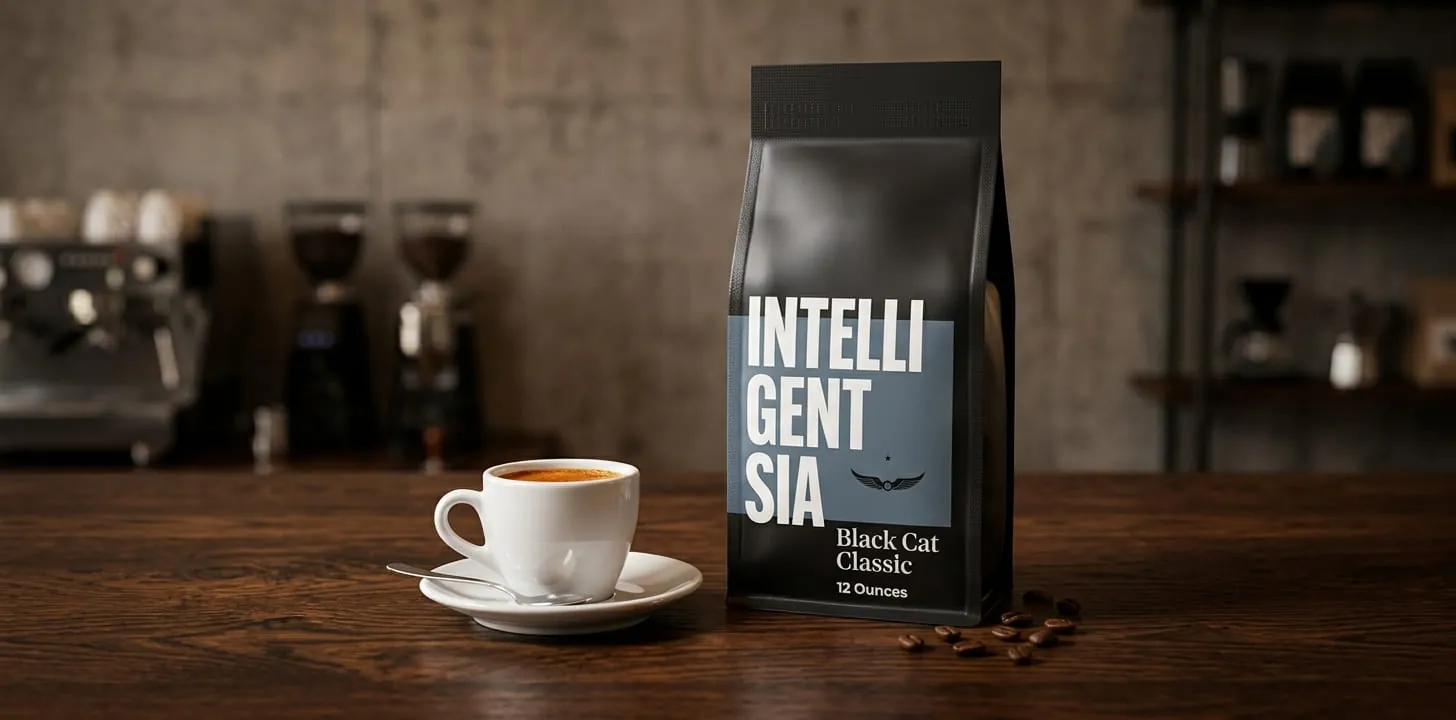
Intelligentsia
An approachable specialty-grade espresso blend with milk chocolate and dried cherry notes, consistent enough for daily milk drinks.
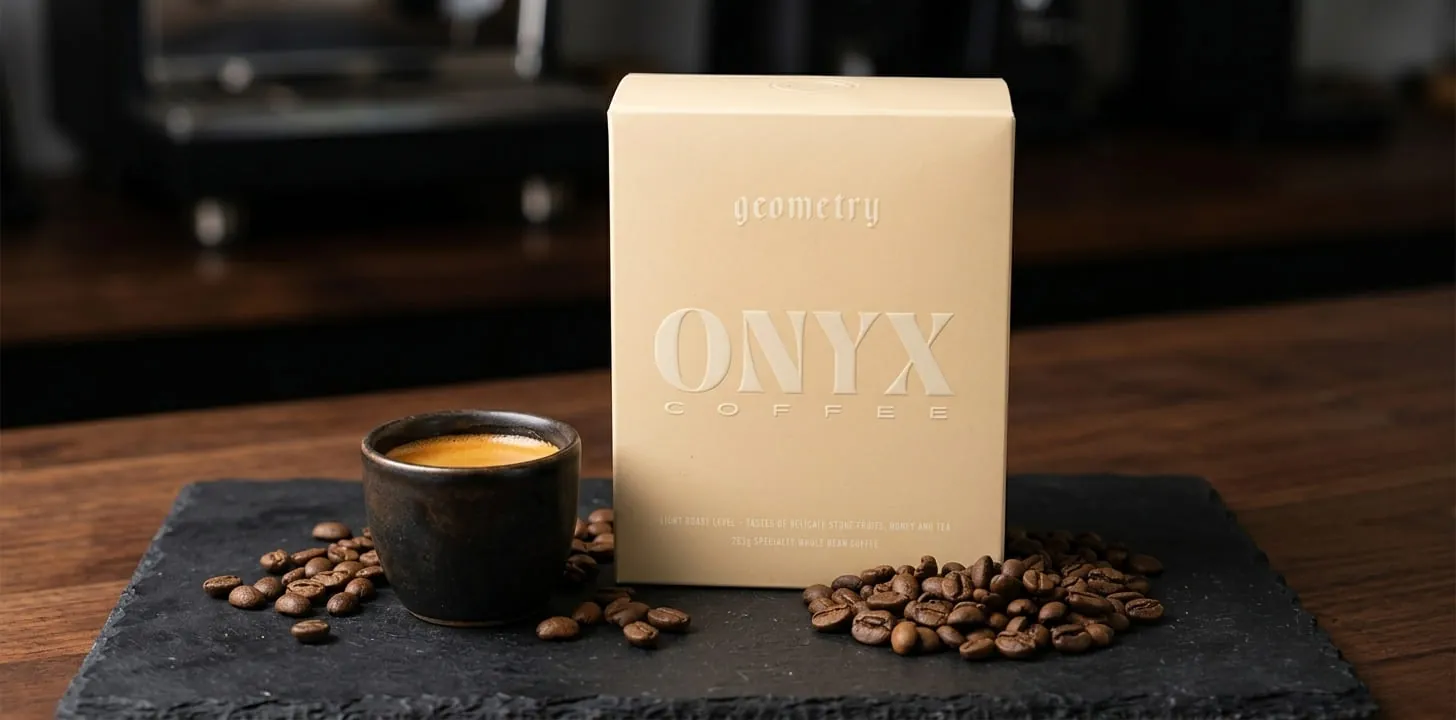
Onyx Coffee Lab
An award-winning medium-light blend with dark chocolate and dried stone fruit complexity — versatile across espresso and pour-over alike.
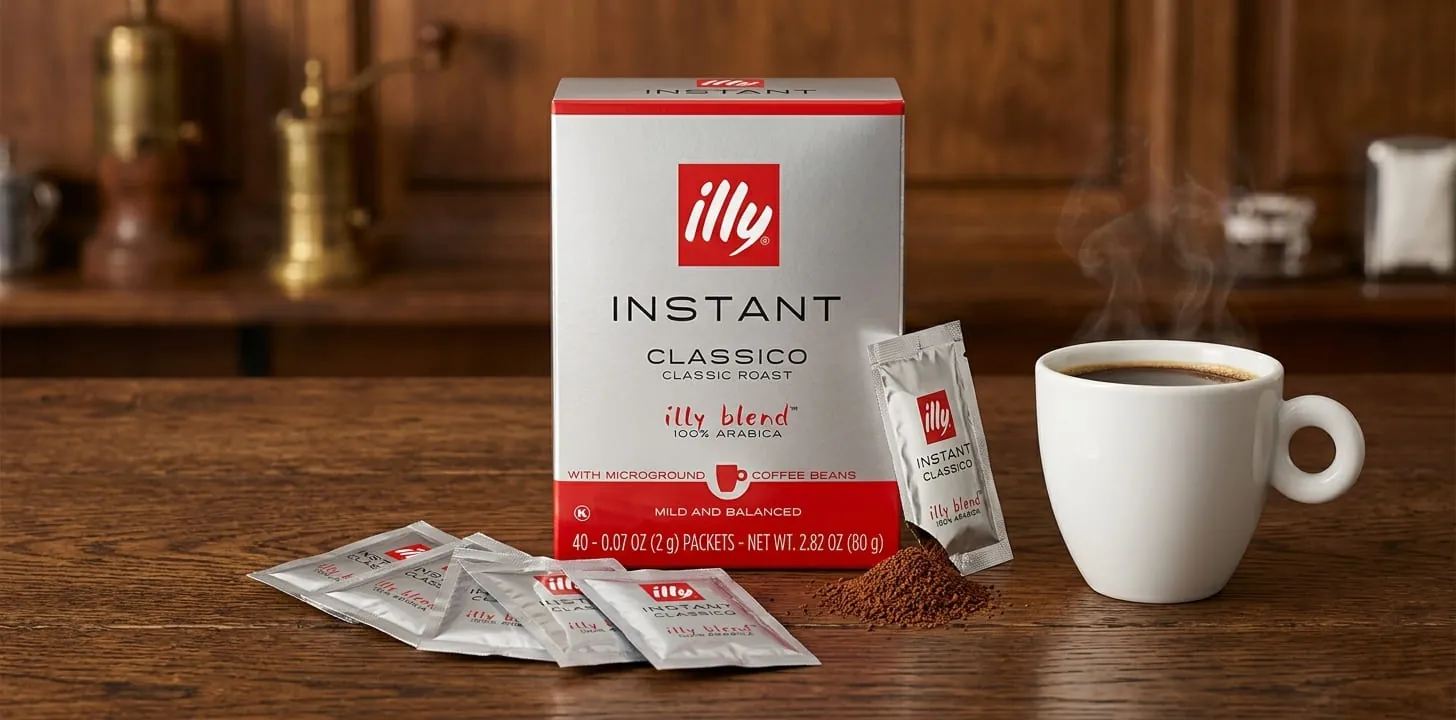
illy
A smooth, balanced 100% Arabica blend with caramel and chocolate notes — best enjoyed as straight espresso rather than buried in milk.
Quick answers before you buy.
Yes, if you watch the clock.
At 18g in / 36g out / 26–29 seconds at 90–91°C it produces excellent dark chocolate espresso with persistent crema, but the window is narrower than some competing dark roasts — keep shots between 24 and 31 seconds.
Entry-level machines running around 90–92°C suit this roast well.
Dark chocolate up front, a smoky-sweet note close to molasses or roasted walnut, and a long, dry, slightly earthy finish.
Acidity is very low and body is full — especially in French press, where roast oils add real mouthfeel richness.
Both are nationally available at similar prices, but Peet's generally reads as cleaner and less charred, though preference varies.
The two brands share roasting roots — Alfred Peet trained several early Starbucks people.
You can, but it's not the ideal use.
Roast bitterness concentrates over a long steep — a 12-hour cold steep at 1:7 was the practical limit before it turned harsh.
A medium-dark roast gives a cleaner cold brew; if you stick with Peet's, cut steep time to 10–11 hours with a coarser grind.
Yes.
It is the flagship multi-origin dark roast, roasted to a full dark development with visibly oily beans.
Expect dark chocolate and smoky-sweet flavors with very low acidity.
Not when brewed within the right window.
In our testing it stayed clean until espresso shots ran past 31 seconds, at which point bitterness took over.
Adjusting grind or shot time usually fixes it; our bitter espresso guide covers how.
A 10.5 oz bag yields roughly 16-17 double shots at an 18g dose, which is about two to two-and-a-half weeks of daily use.
Drip and French press use more coffee per serving, so the bag will go faster.
Yes, French press is where it performs best.
A coarse grind and a 4-minute steep give a full-bodied, velvety cup, and the roast oils add richness that paper filters would strip away.
Our guide on how to use a French press covers the ratio and the settle-before-pressing step.
Reader questions
Questions or tips? Leave a comment
Ask about your setup or share what worked for you. Comments are checked before they appear.