Fellow
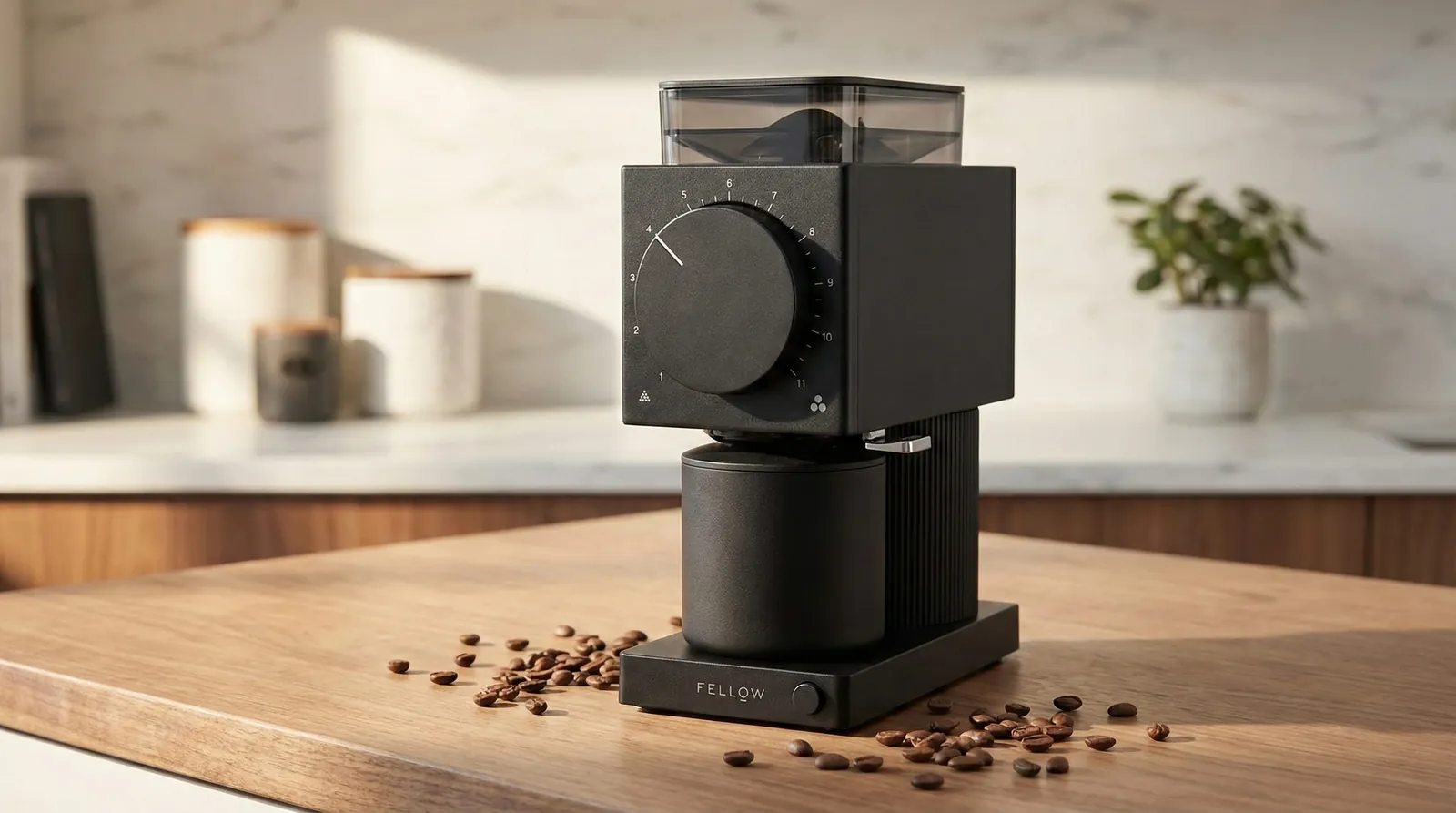
Fellow Ode Gen 2 Review
A single-dose grinder built specifically for pour-over and filter coffee enthusiasts — not intended for espresso.
Updated
Pick your brew method and roast to get the water temperature range in °C and °F, adjusted for altitude, plus what to do without a thermometer.
Water temperature
Medium roast92-96°C
Fahrenheit
198-205°F
Water boils at
100°C / 212°F
No thermometer?
Rest 30-60s after boiling
Next: The classic range. Hotter extracts faster; cooler is gentler.
The calculator starts from a typical range for each method (for example 92-96°C for pour-over), shifts it about 2°C hotter for light roasts and 3°C cooler for dark roasts, then caps it at the boiling point for your altitude.
Boiling point drops about 0.55°C (1°F) for every 500 ft above sea level. Where the target is above that, the tool tells you to use water straight off the boil and grind slightly finer instead.
Every fixed figure the maths uses, so you can check the result against your own gear.
Typical starting ranges for a medium roast. Go hotter for light roasts, cooler for dark.
| Method | Celsius | Fahrenheit | Notes |
|---|---|---|---|
| Pour-over (V60, Chemex) | 92–96°C | 198–205°F | Light roasts at the top of the range |
| French press | 93–96°C | 199–205°F | Long contact time forgives a slightly cooler kettle |
| AeroPress | 85–94°C | 185–201°F | Cooler water smooths dark roasts |
| Espresso (machine setting) | 90–96°C | 194–205°F | Set on the machine, not with a kettle |
| Moka pot | Start with just-boiled water | About 200–212°F | Hot water in the base shortens time on the stove |
Water boils about 1°F lower for every 500 ft, which caps how hot you can brew.
| Elevation | Boils at (°F) | Boils at (°C) | What to do |
|---|---|---|---|
| Sea level | 212°F | 100°C | Let water rest off the boil before pouring |
| 2,500 ft | 207°F | 97.2°C | A short rest still lands in range |
| 5,000 ft | 202°F | 94.4°C | Use water straight off the boil for light roasts |
| 7,500 ft | 197°F | 91.7°C | Brew right off the boil and grind a little finer |
| 10,000 ft | 192°F | 88.9°C | Grind finer or brew longer to make up the heat |
How the calculator handles a target the kettle cannot reach.
A light roast shifts the pour-over range about 2°C hotter, to roughly 94–98°C. Denver sits near 5,300 ft, where water boils at about 94°C (201°F), so the top of that range is out of reach.
The calculator caps the result at the local boiling point and tells you to pour straight off the boil. To make up the missing heat, grind one step finer or extend the brew slightly. The coffee grind size chart shows where to start.
Heat changes extraction speed, but an uneven grind extracts unevenly at any temperature. These are our top-rated burr grinders.
Fellow
A single-dose grinder built specifically for pour-over and filter coffee enthusiasts — not intended for espresso.
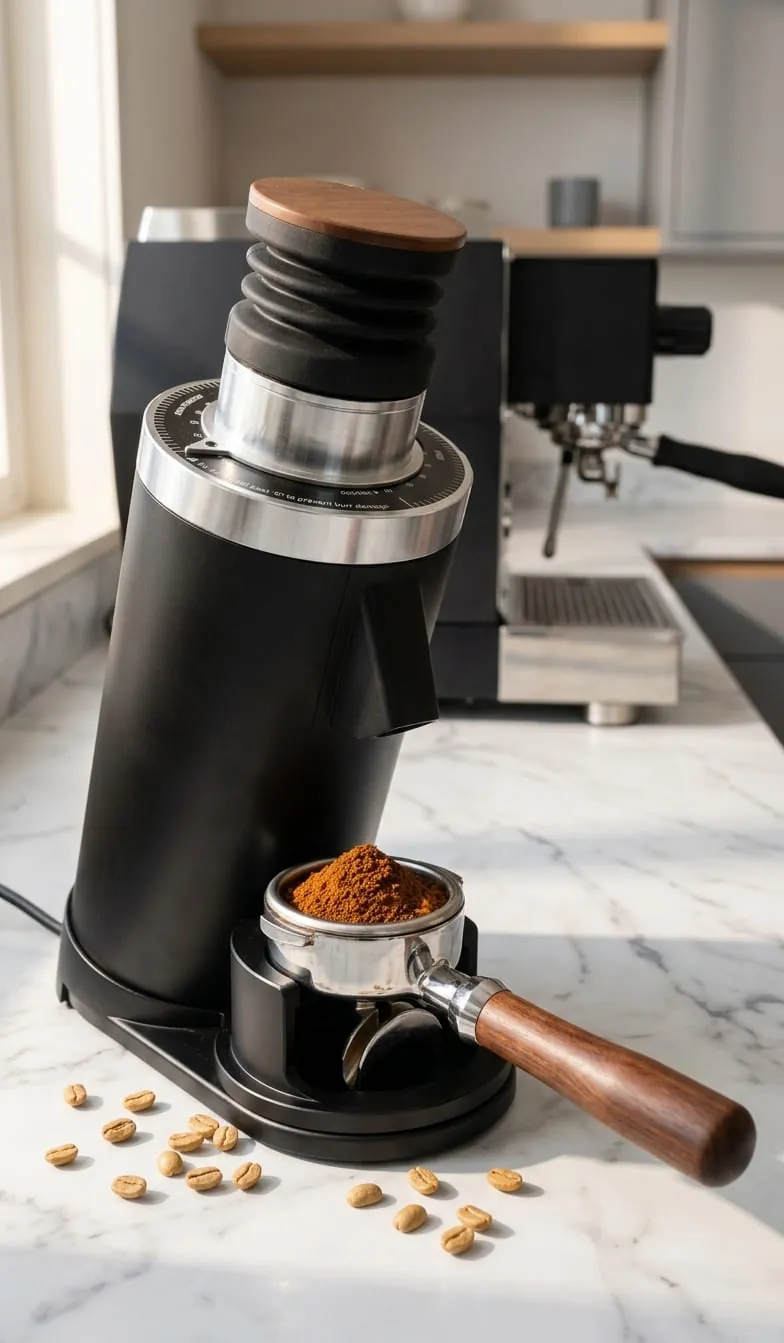
Turin
An electric grinder with factory-aligned 64mm flat burrs and very low retention, built for single-dose espresso workflows.
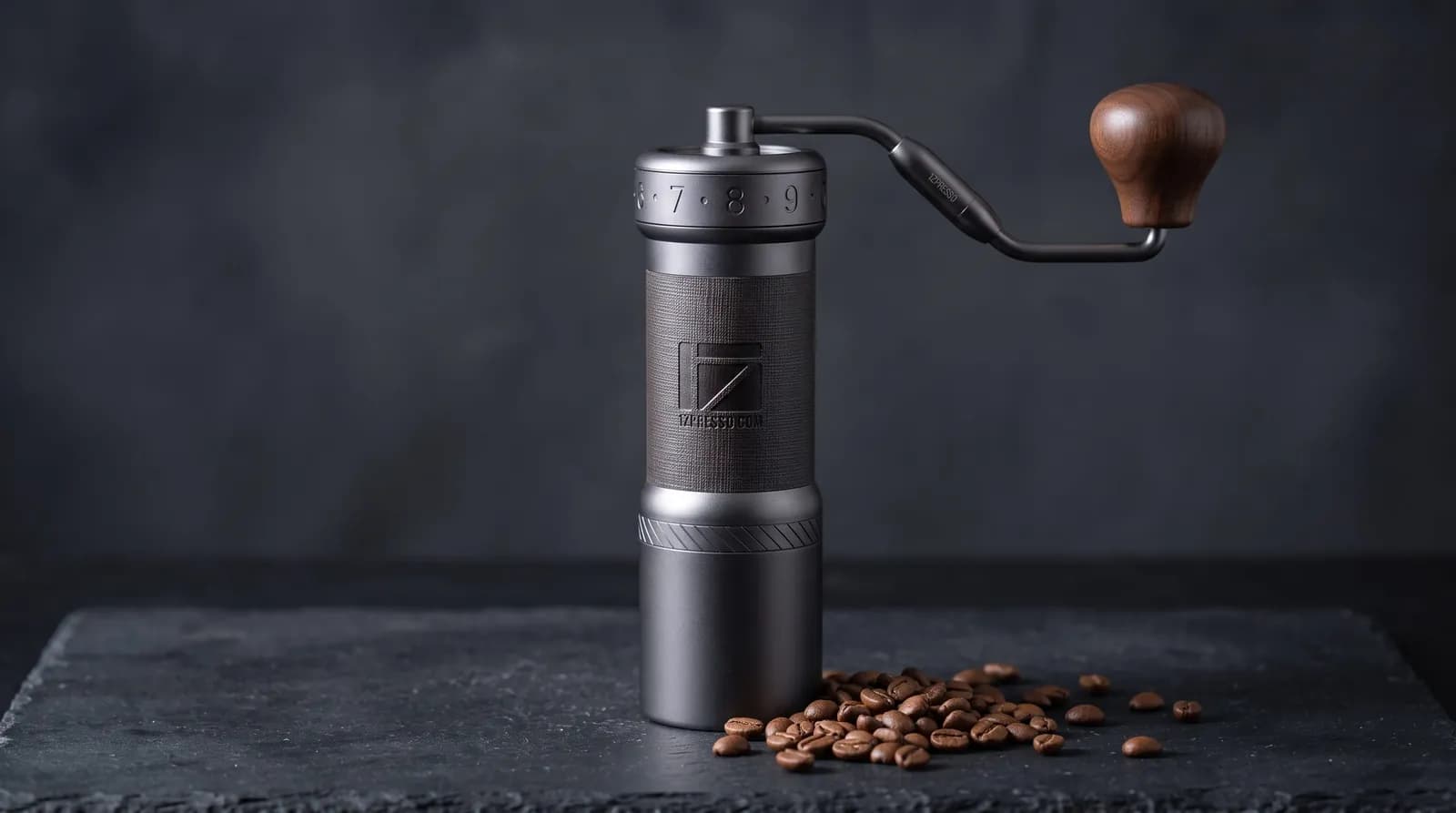
1Zpresso
A manual grinder with fine adjustment precision that handles both espresso dialing and filter coffee equally well.
Quick answers before you buy.
Around 92 to 96°C (195 to 205°F) for most hot brewing methods.
Light roasts do well at the top of that range; dark roasts often taste better a few degrees cooler.
Usually, yes.
Dark roasts extract more easily, so water a few degrees cooler tames bitterness.
Light roasts are denser and benefit from hotter water.
For most methods, water a few seconds off the boil is fine and lands near the top of the range.
At high altitude, boiling water is already cooler, so use it straight away.
Yes.
Water boils about 1°F lower for every 500 feet of elevation, so above roughly 5,000 feet it boils near 93°C (200°F) and cannot reach the top of the usual range.
About 85 to 94°C.
AeroPress handles cooler water well, which suits darker roasts and smooths bitterness.
Bring the water to a full boil, then let it rest off the heat for about 30 seconds for pour-over or 1 to 2 minutes for AeroPress.
Kettles cool at different speeds, so treat these as rough guides.
Keep reading: more guides on the same topic.
 Explained
Coffee Education6 min read
Coffee roast levels chart comparing light, medium and dark roast by flavor, acidity, body and brew method, plus the caffeine myth.
 Explained
Brewing7 min read
What is pour over coffee? Learn how it works, a starting recipe, grind size and water temperature, and which dripper to buy.
 How to
Brewing6 min read
How to use a moka pot for smooth stovetop coffee: medium-fine grind, pre-boiled water, medium-low heat, plus fixes for bitter cups.
 How to
Espresso6 min read
Learn how to dial in espresso: a starting recipe, grind changes by shot time and taste, and fixes for sour or bitter shots.