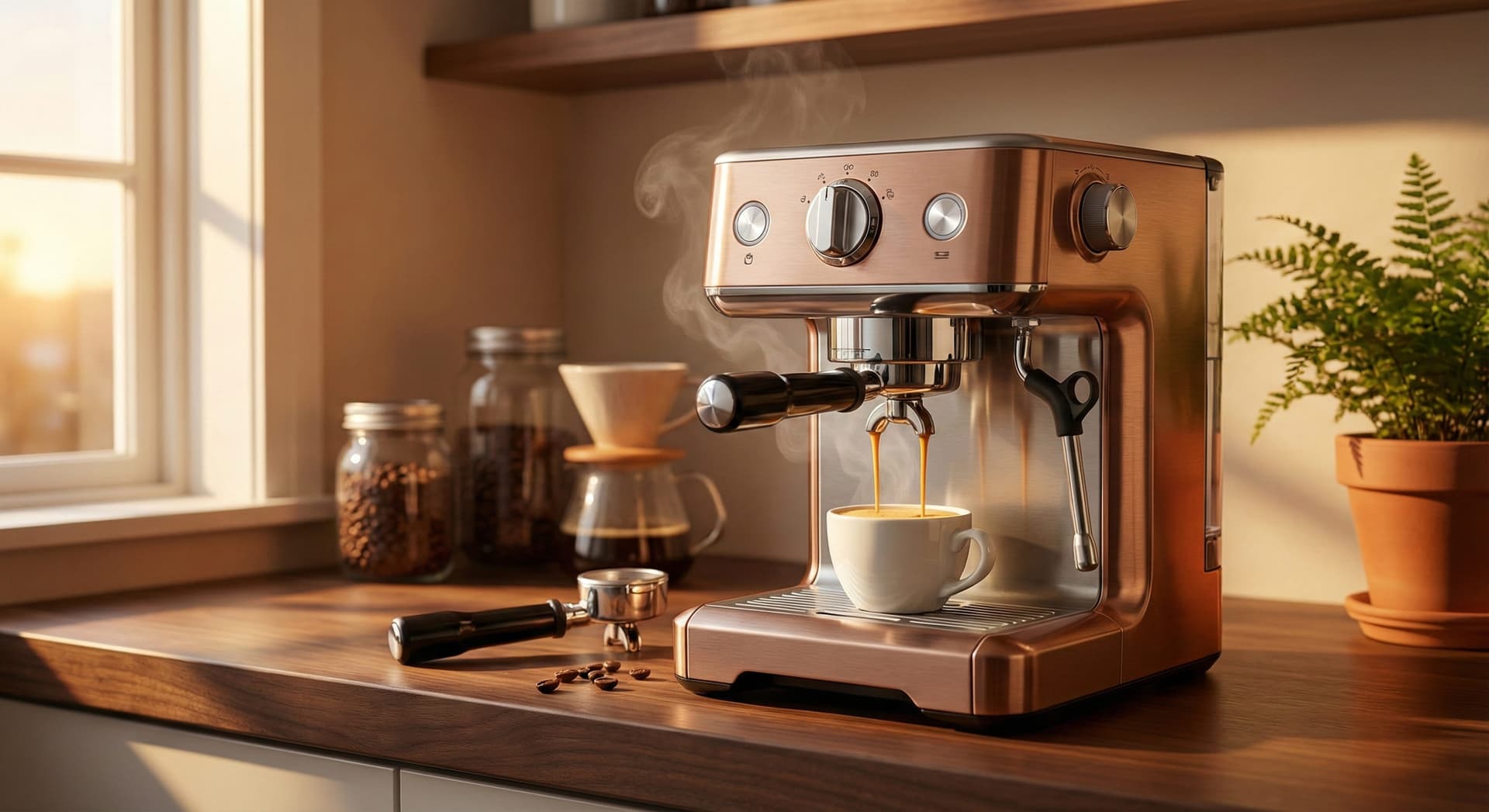
Espresso Machine Reviews – Tested at Home
Find the perfect espresso machine for your home. From beginner-friendly semi-automatics to professional-grade manual machines.
Looking for side-by-side comparisons? See our espresso machine comparison guide →
About Our Espresso Machine Reviews
Every review published here is the result of hands-on, independently-tested espresso machine evaluations carried out in a real home environment — not a lab, not a sponsored showroom. We purchase or borrow machines ourselves, run them through a structured 30–90 day testing period, and only publish our findings once we have enough data to stand behind our conclusions.
Our coverage spans the full range of home espresso machines: from beginner-friendly entry-level models to advanced prosumer and dual boiler espresso machines used by serious home baristas. Whether you're buying your first semi-automatic espresso machine or upgrading a setup you've had for years, these in-depth espresso evaluations are written to give you the technical detail and honest context you need to make the right call.
We focus on four performance areas that actually determine the quality of your daily shot. Temperature stability — measured across consecutive pulls — tells us whether a machine extracts consistently or swings between sour and bitter. Shot-to-shot consistency reveals how repeatable a machine is once you've dialled in your dose and grind. Steam performance matters if you make milk drinks: we measure steam pressure, recovery time, and how easily the wand handles microfoam. And durability — tracked through extended ownership and user follow-up — tells you what the machine looks like at 18 months, not just at unboxing.
Dual boiler espresso machines get their own extended evaluation protocol because simultaneous brewing and steaming introduces thermal management complexity that shorter tests miss. We pull milk-based drinks back-to-back under realistic home-use conditions and track boiler recovery to flag any performance drop under pressure.
Shot quality is never evaluated in isolation. We test each machine with at least three grinders — a budget option, a mid-range burr grinder, and a prosumer grinder — to show how grinder quality affects the machine's ceiling. A $200 machine paired with a quality grinder often outperforms a $600 machine paired with a blade grinder. Our coffee grinder reviews cover grinder pairings in depth.
Ready to compare your top options side-by-side? See all top-rated espresso machines here — 1,000+ shots tested, every budget covered.
How We Test Espresso Machines
🌡️ Temperature Stability
We log boiler temperature with a calibrated thermocouple across 10 consecutive shots after a 30-minute warm-up. PID machines typically hold within ±1–2 °F; basic thermostats swing ±8–10 °F.
☕ Shot Consistency
We pull a minimum of 60 shots per machine in structured testing, extending to 150+ for long-term evaluations. Consistency across dose, yield, and time is scored at each session.
🥛 Steam Power
Steam pressure, boiler recovery time, and microfoam quality are evaluated for each milk drink. We flag machines where steam performance drops during back-to-back orders.
🔩 Build Quality
We assess materials, portafilter weight, basket tolerances, and overall fit-and-finish. Budget machines scoring well on build quality are flagged as standout value picks.
📅 Long-Term Durability
Machines that pass initial testing enter an extended ownership phase. We track pump pressure consistency, gasket wear, and failure patterns at 6 and 12 months, cross-referenced with service technician data.
Browse by Machine Type
Beginner Espresso Machines
Designed for first-time home baristas who want real espresso without a steep learning curve. These machines handle pressure and temperature with less manual input, making them ideal if you're dialling in your first dose-and-yield routine. Most fall in the $150–$400 range and pair well with a mid-range burr grinder.
Mid-Range Home Espresso Machines
The sweet spot for serious home baristas who want PID temperature control, improved steam power, and better build quality without crossing into prosumer pricing. Machines in the $400–$900 range typically deliver measurably better shot consistency in our testing and offer features that scale with growing skill.
Prosumer & Dual Boiler Machines
For enthusiasts who want café-grade performance at home. Dual boiler espresso machines maintain independent brew and steam temperatures simultaneously — eliminating recovery wait times and unlocking high-volume milk drink sessions. These machines reward skilled users and typically carry a 10+ year lifespan when properly maintained.
Semi-Automatic Espresso Machines
Semi-automatic espresso machines are the most popular category we test — they automate pump pressure while leaving grind, dose, and tamp in your hands. This balance of control and convenience makes them the go-to choice for home baristas who want to develop real technique. We test semi-automatics across every budget tier.
Essential Espresso Guides
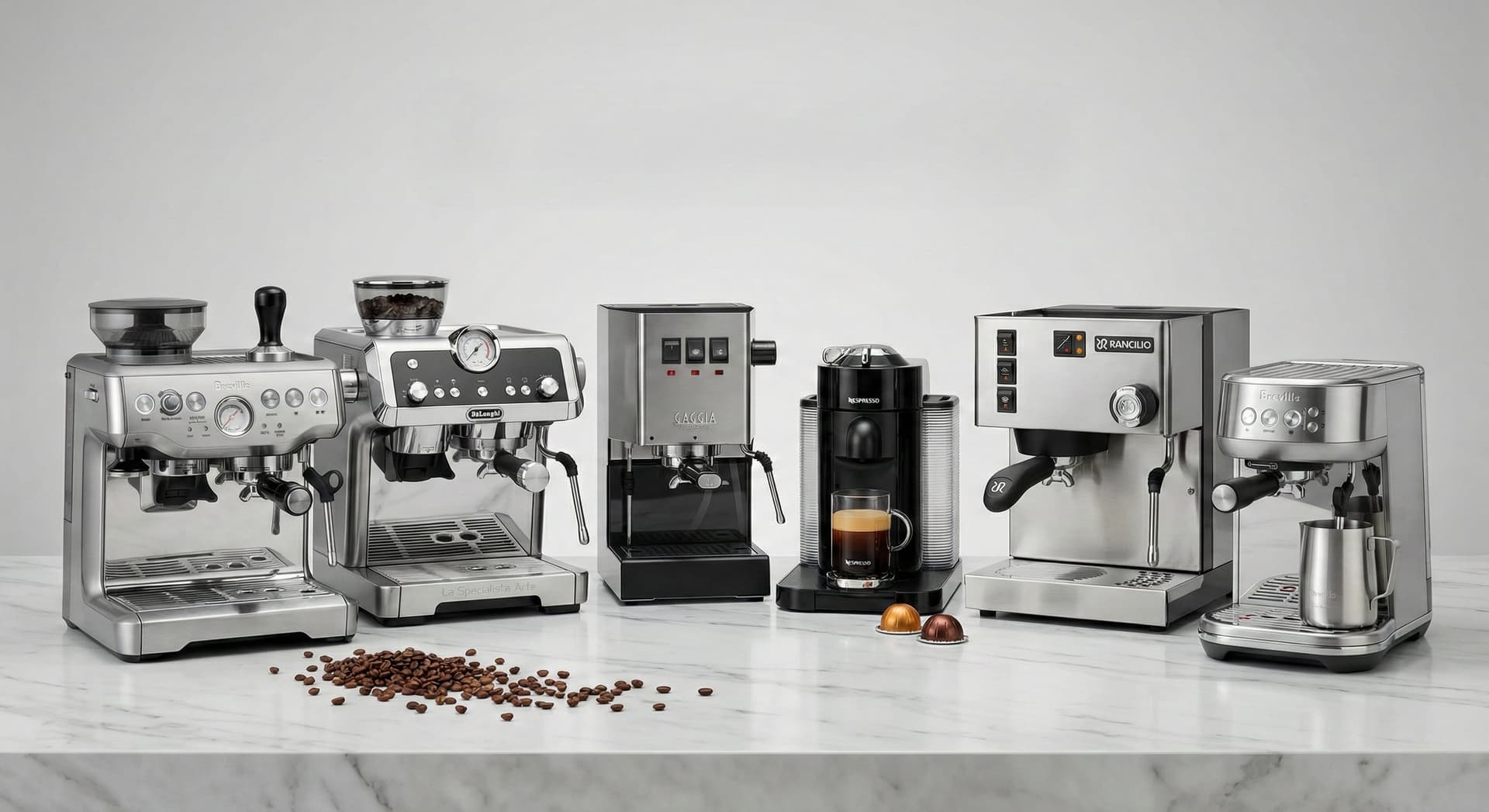
Best Espresso Machines 2026: Expert Comparison & Buyer's Guide
We tested 6 top espresso machines over 90 days with 500+ shots to find the best options for every budget and skill level. Compare features, scores, and real-world performance.
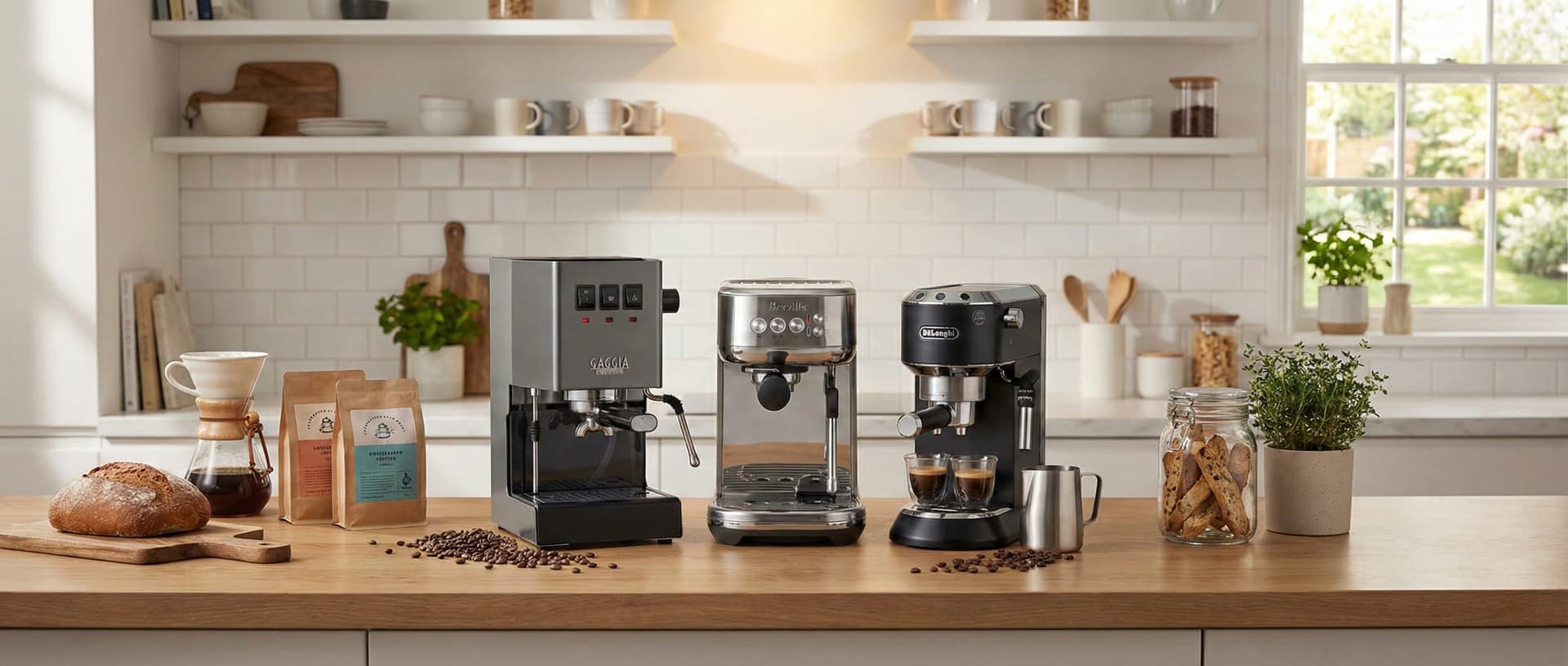
Best Espresso Machines Under $500 2026: Budget Picks Expert Tested
Expert tested: 8 sub-$500 espresso machines, 400+ shots, 5 grinders tested. Find the best value machine for your budget without sacrificing quality.
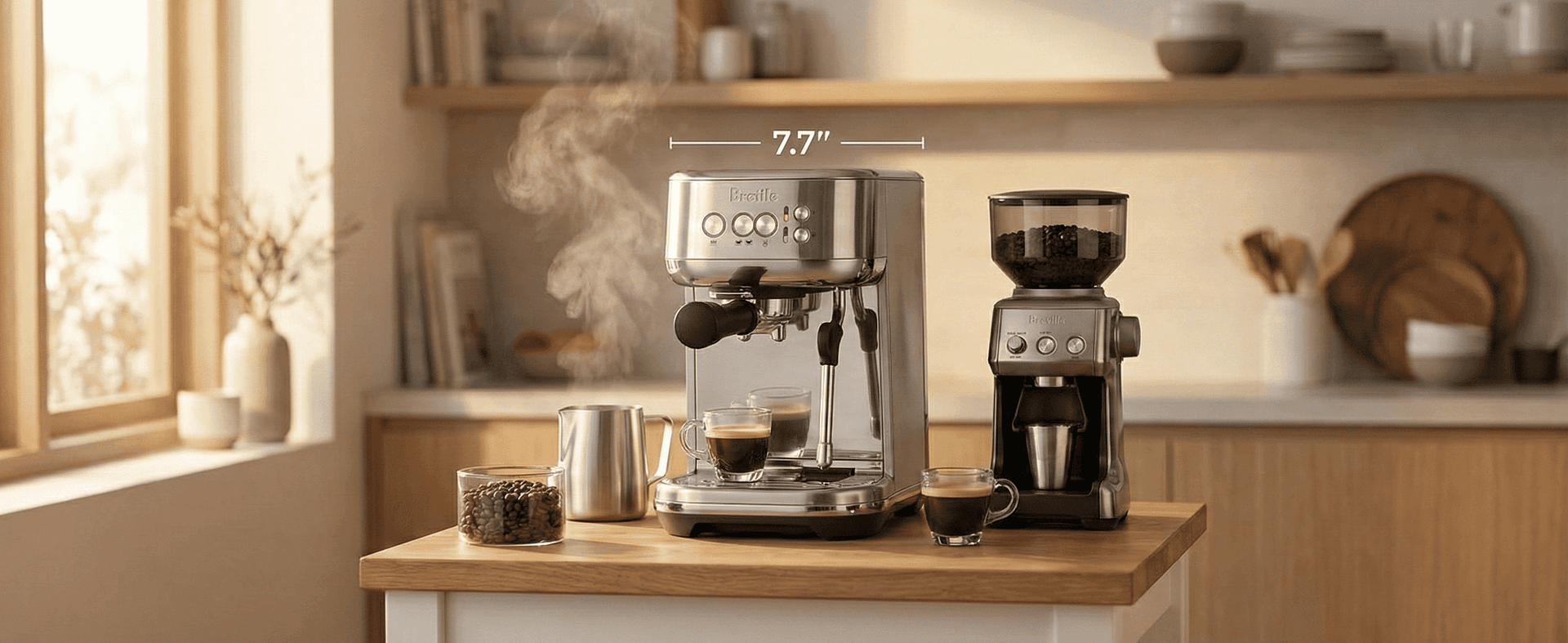
Breville Bambino Plus
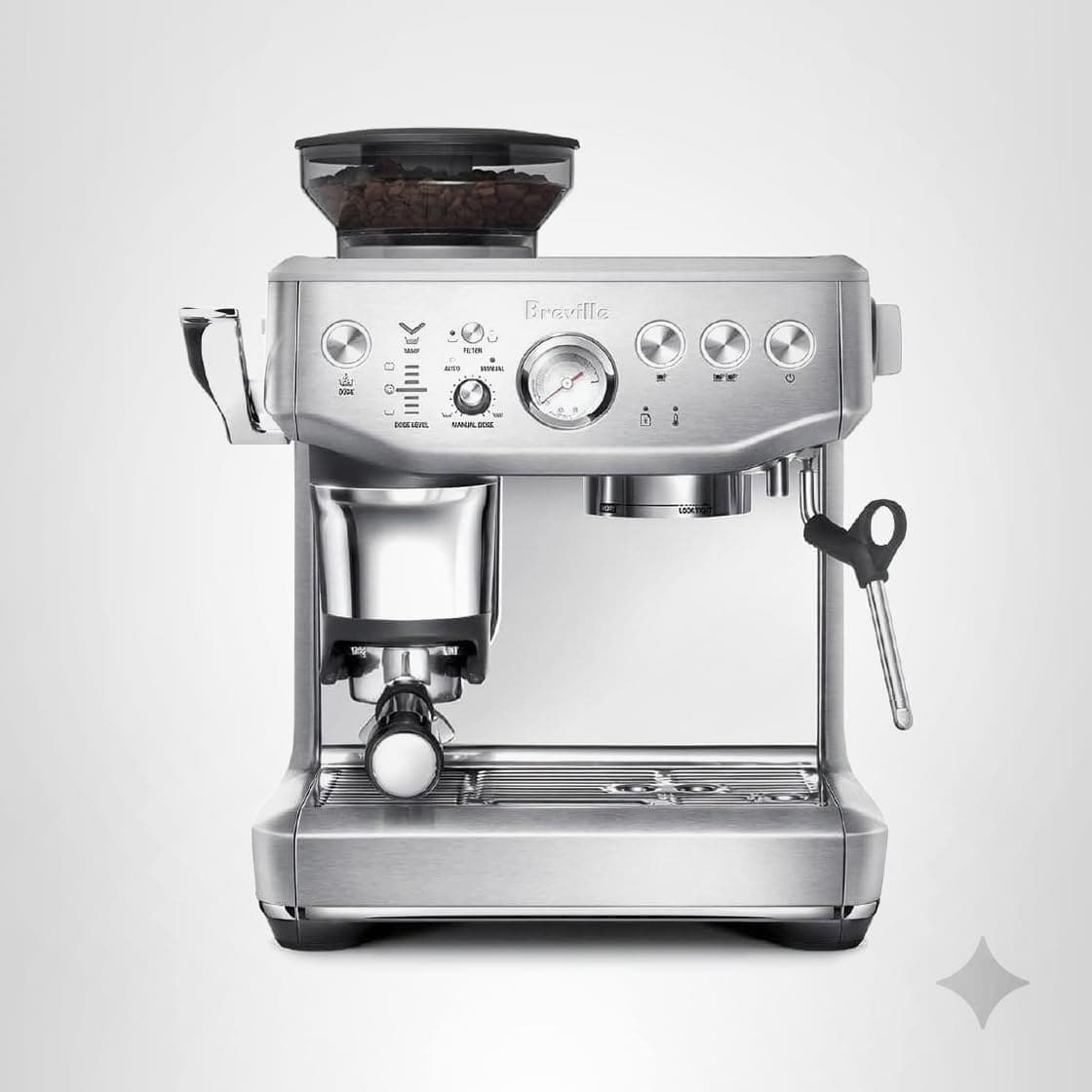
Breville Barista Express Impress
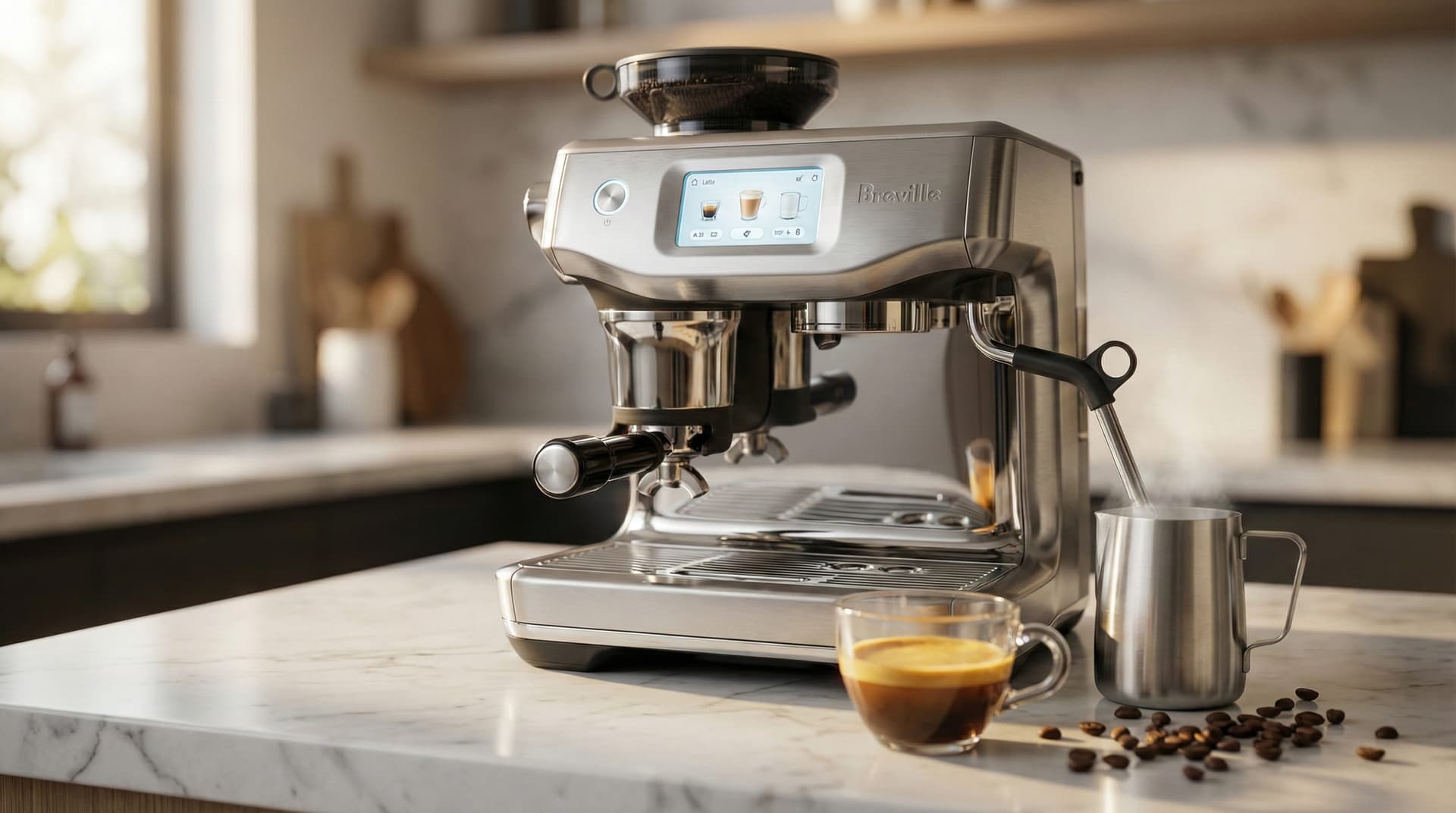
Breville Barista Touch Impress
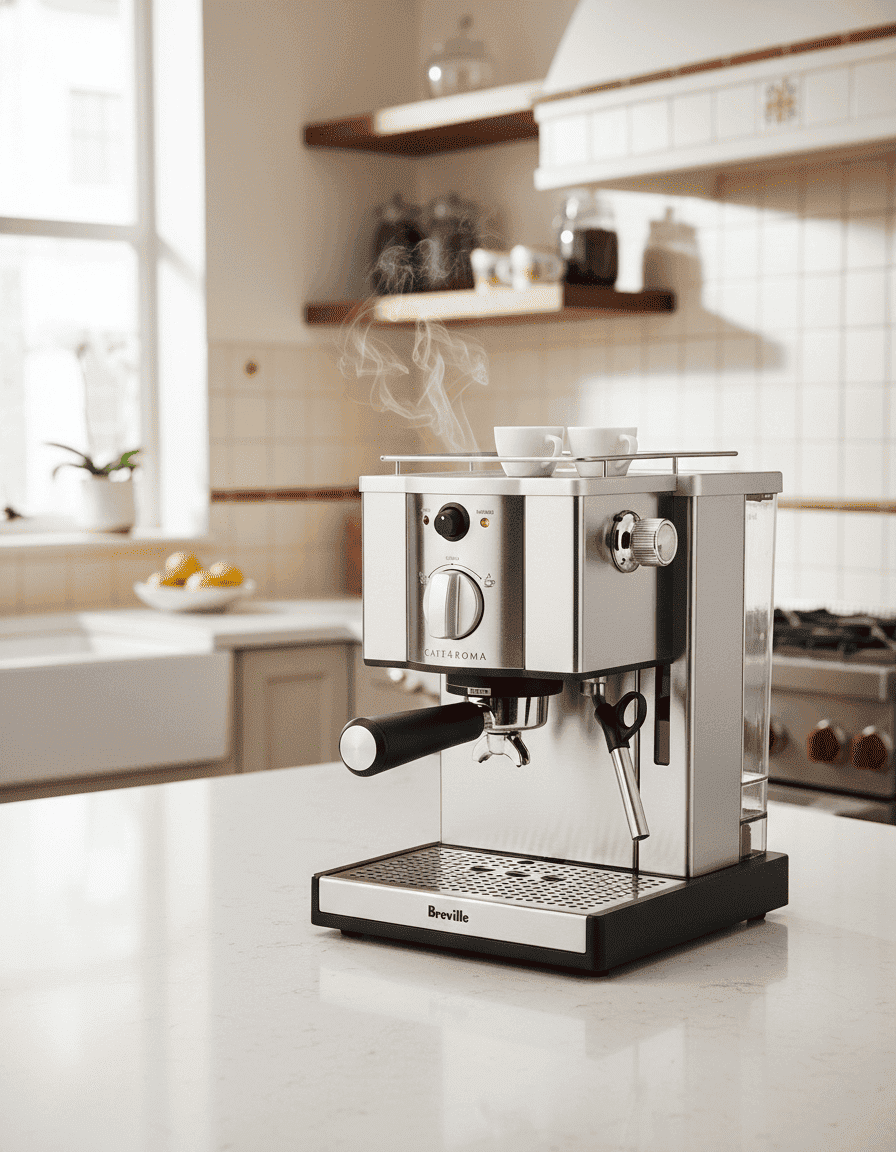
Breville ESP8XL Cafe Roma
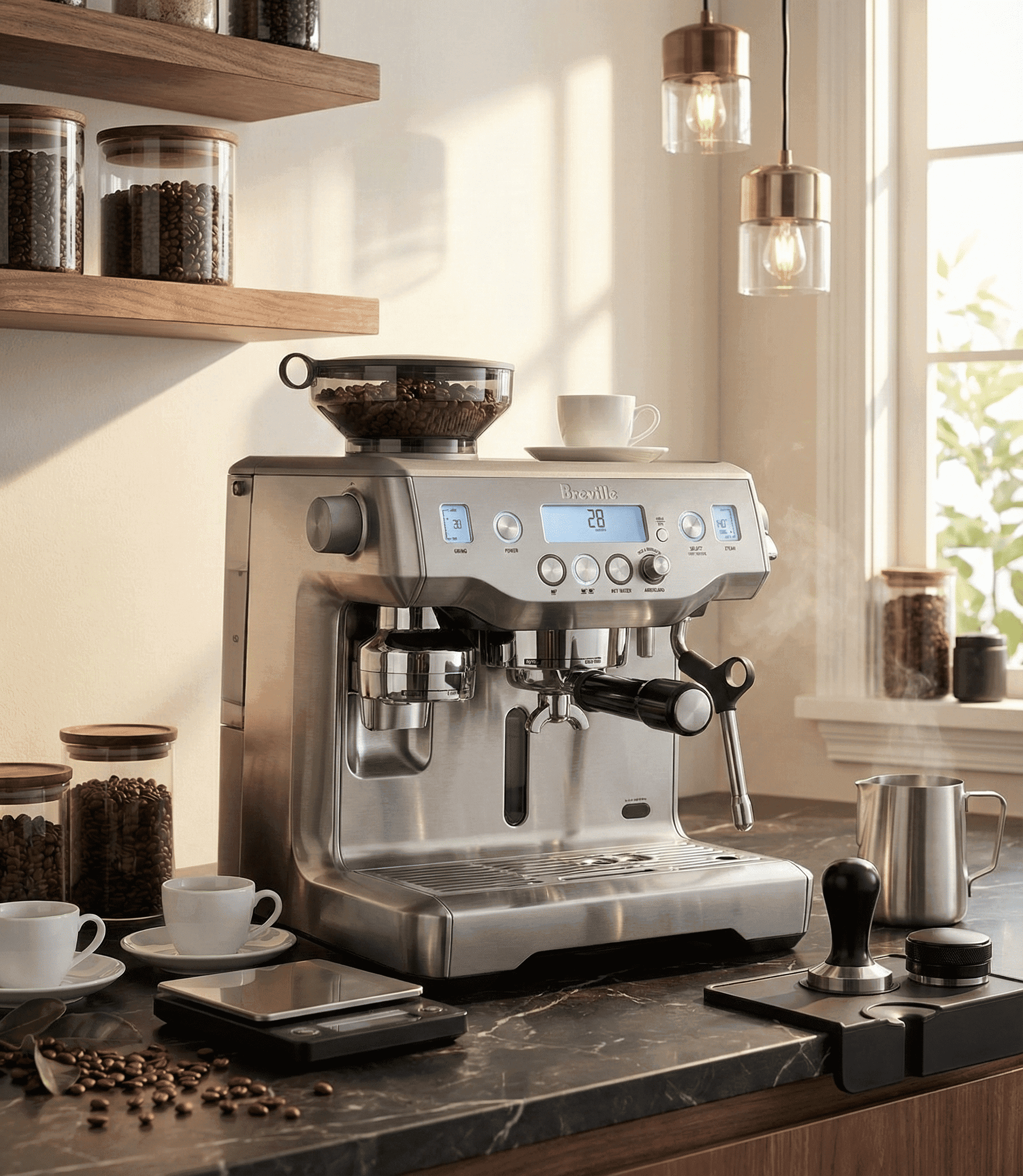
Breville Oracle Espresso Machine
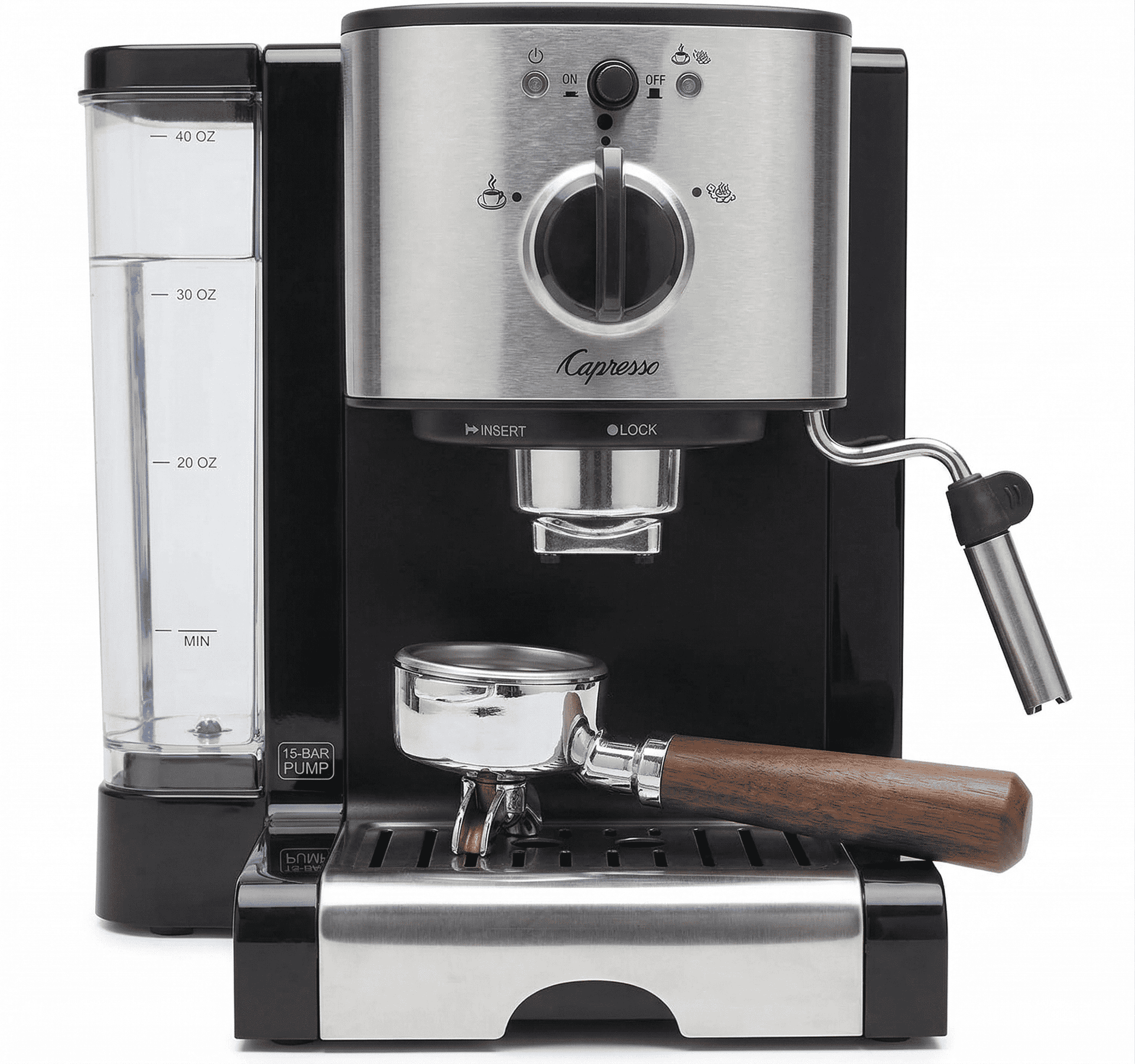
Capresso EC100
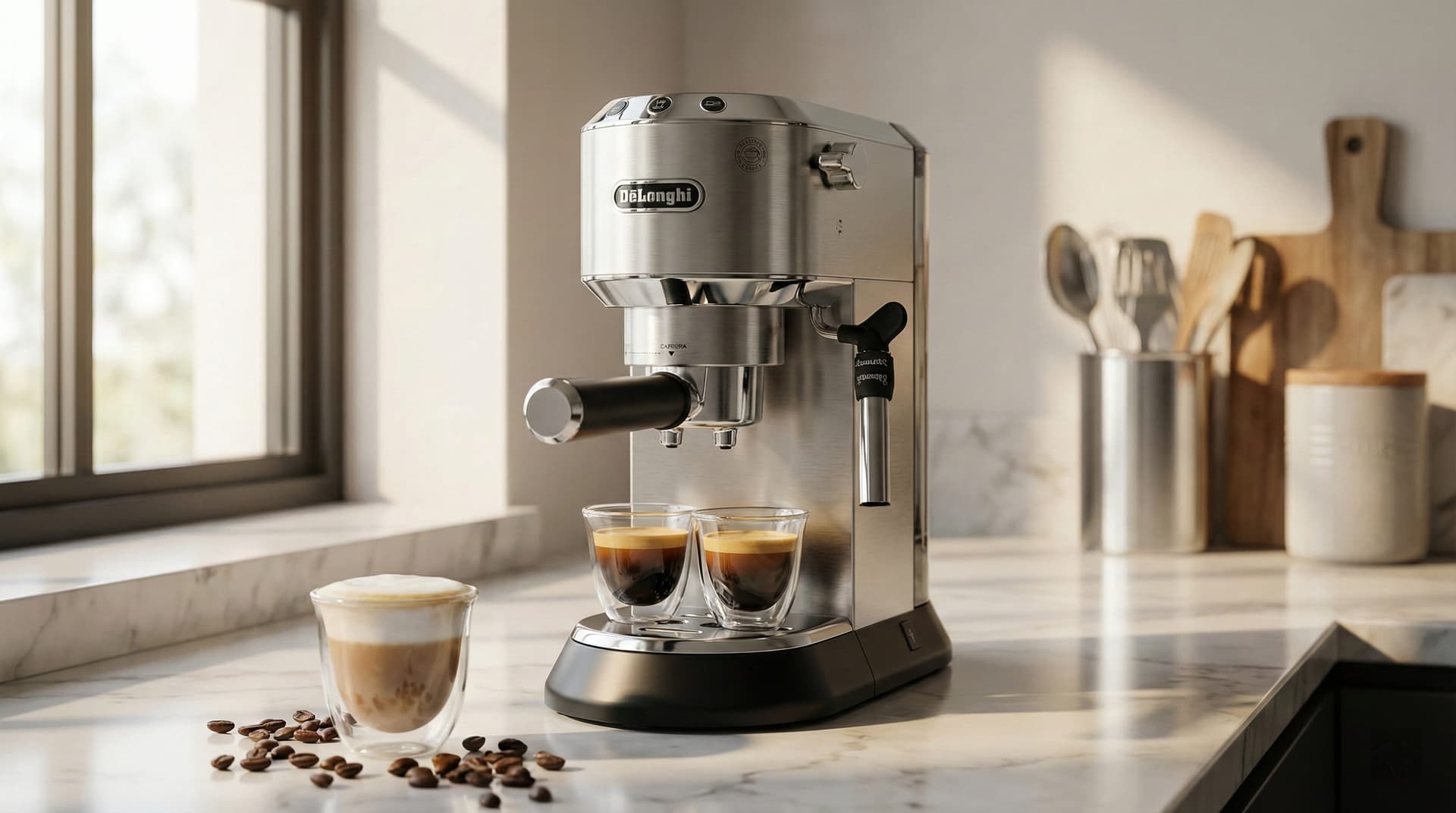
DeLonghi Dedica EC685
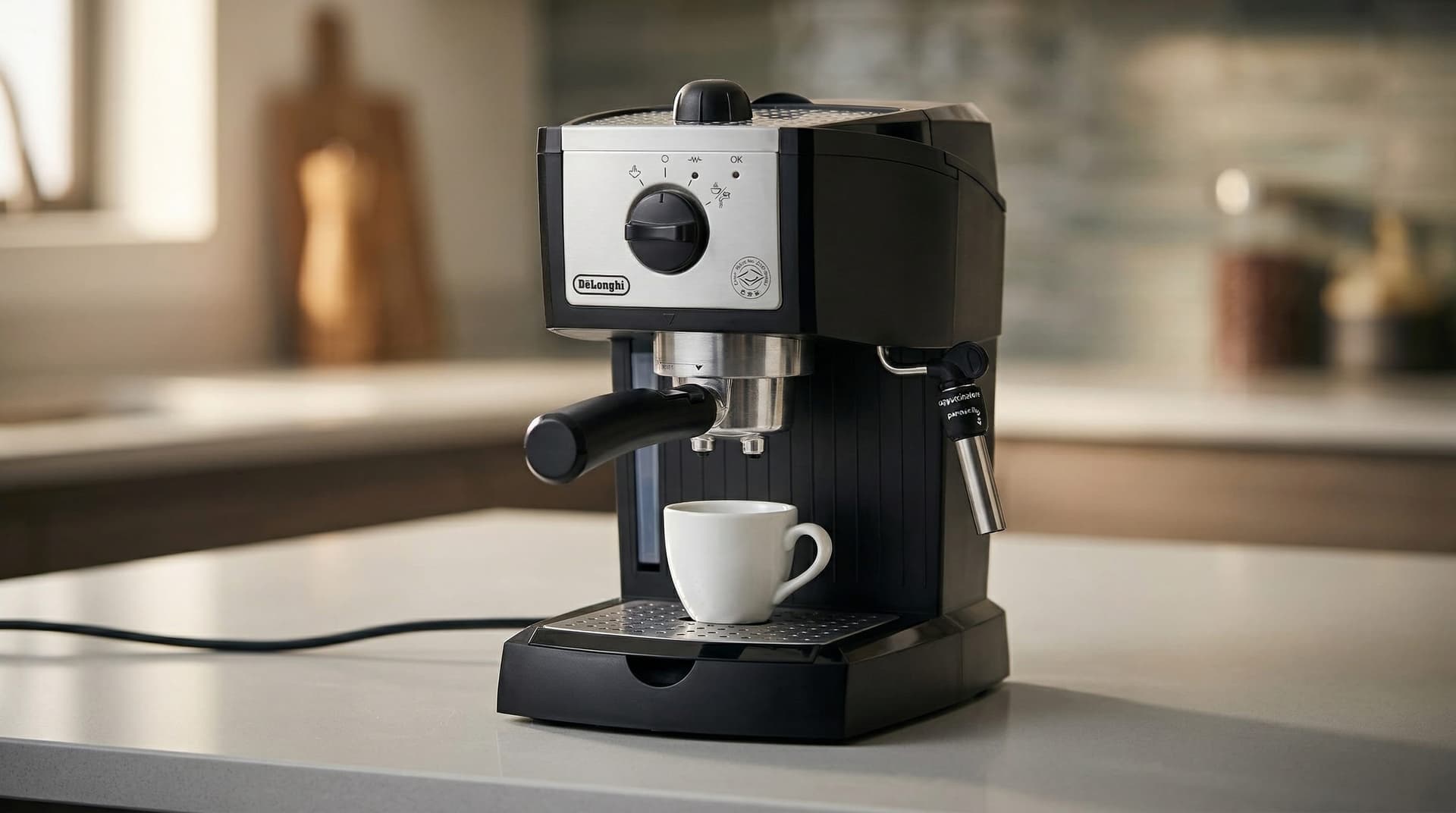
DeLonghi EC155
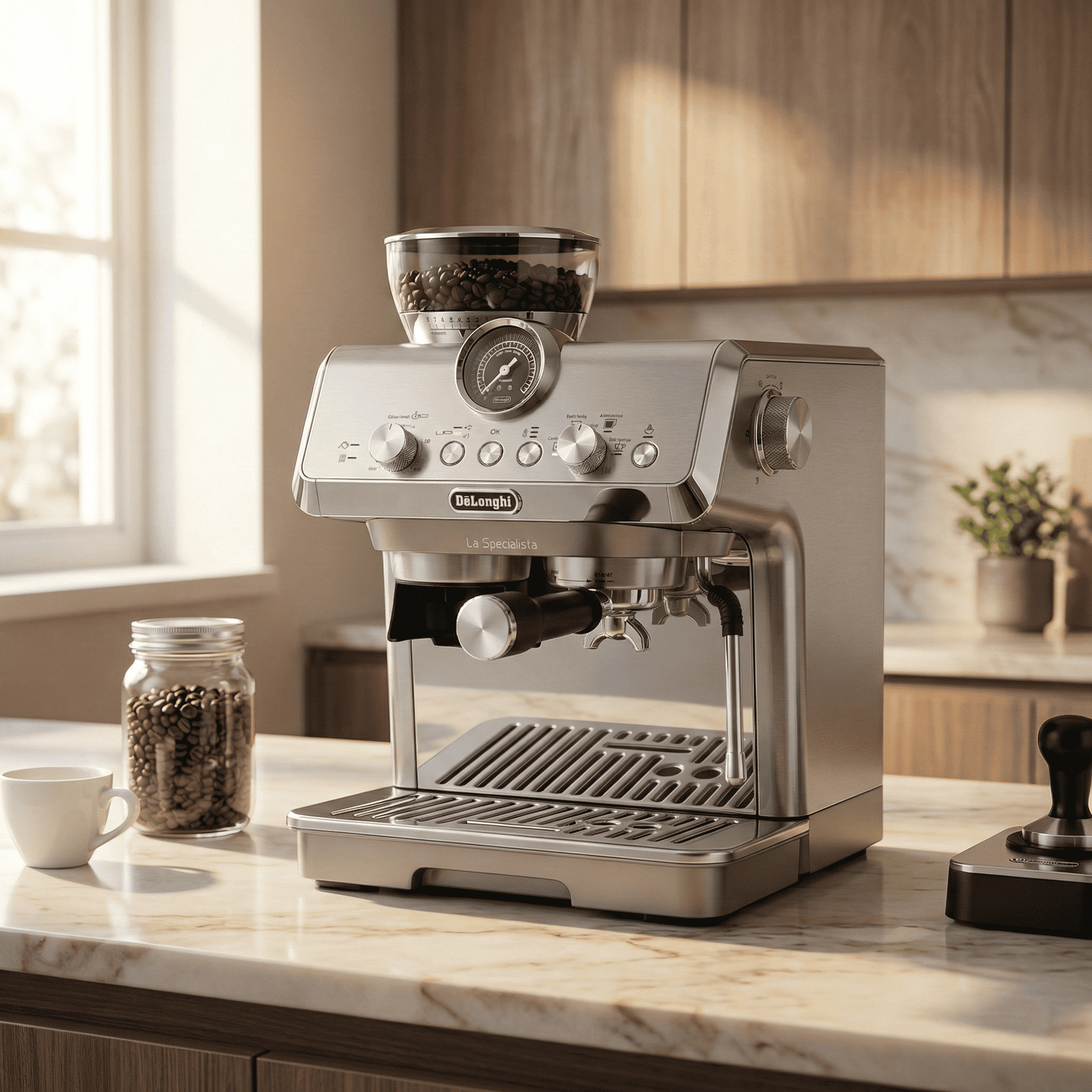
De'Longhi La Specialista Arte
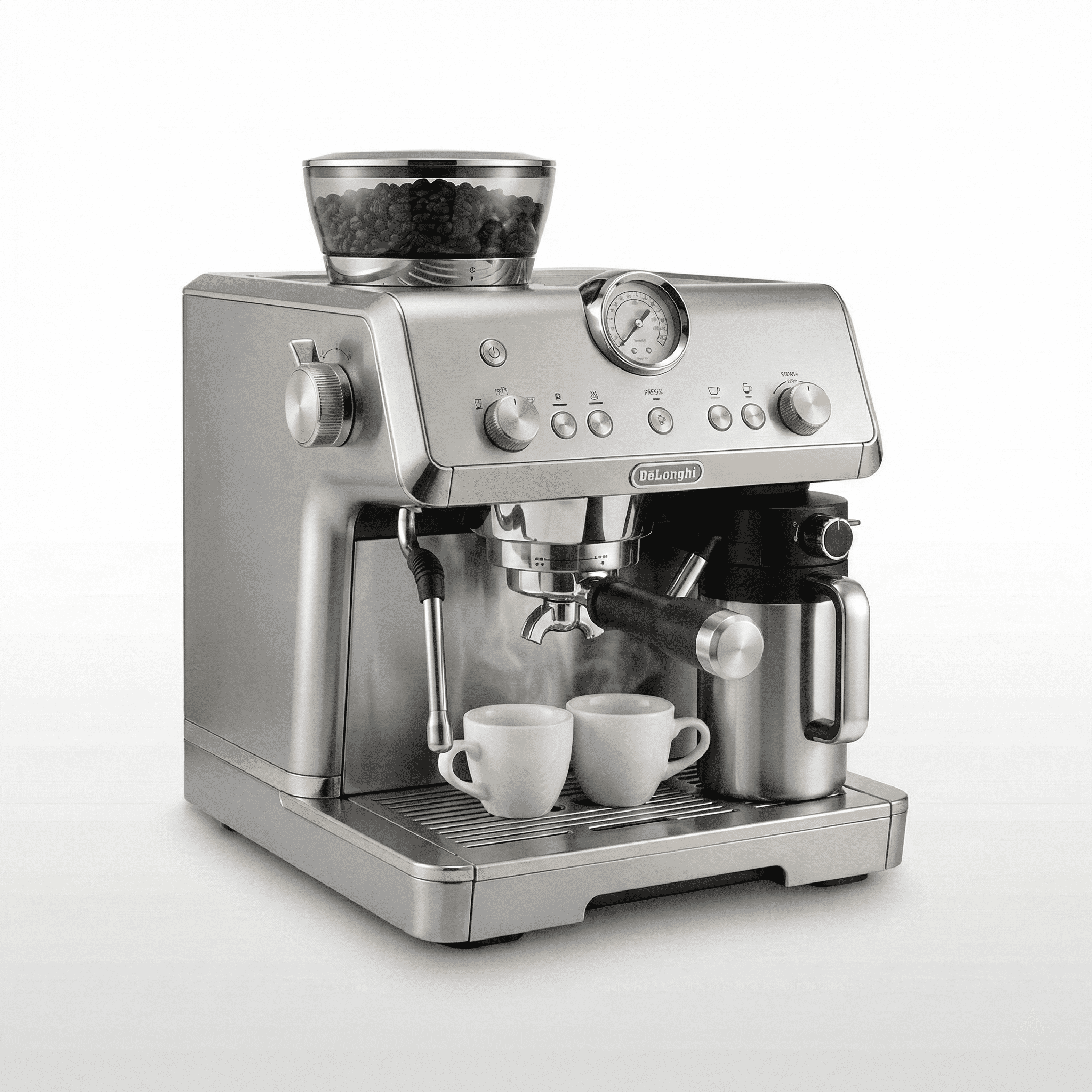
DeLonghi La Specialista Opera EC9555
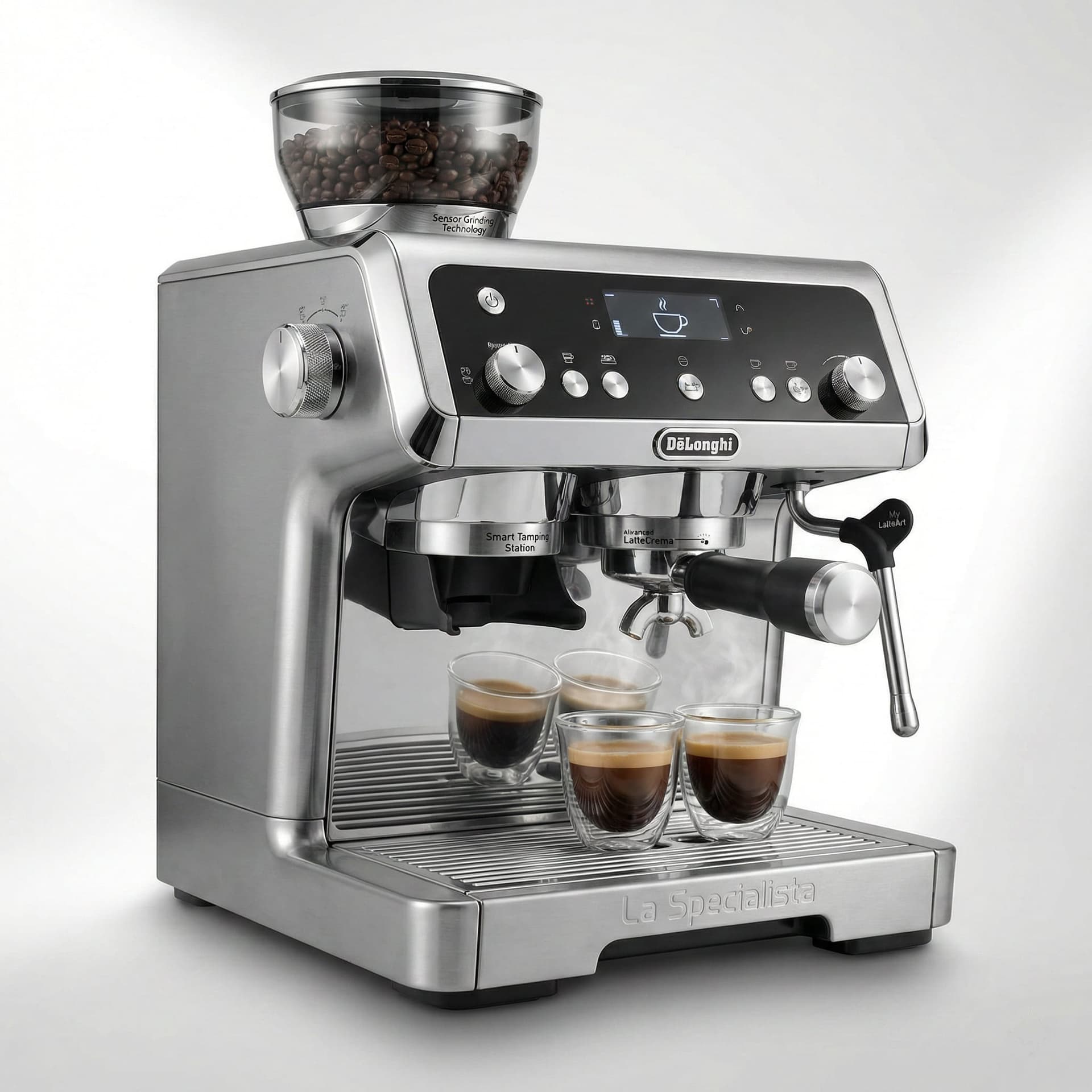
DeLonghi La Specialista Prestigio
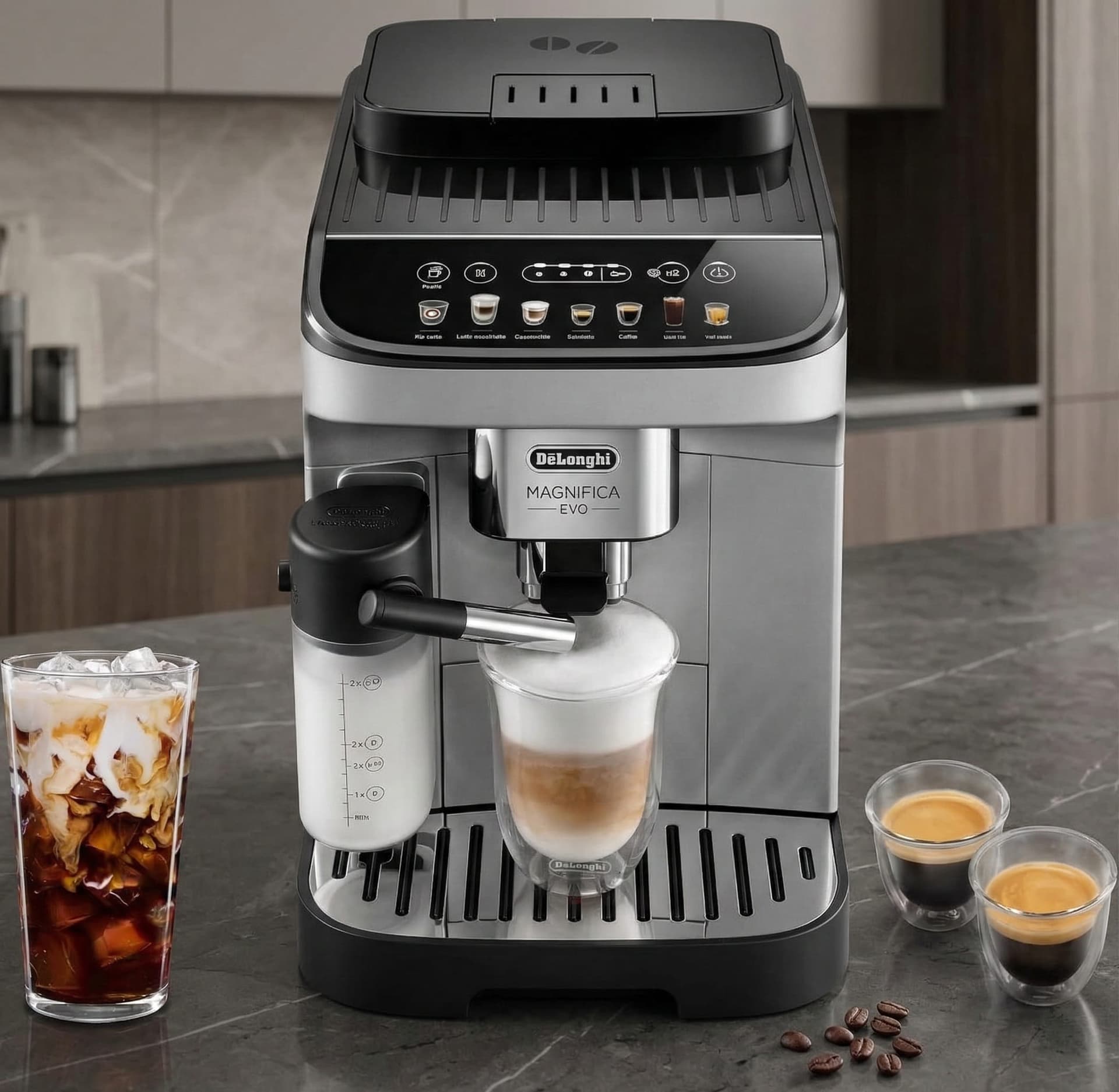
De'Longhi Magnifica Evo ECAM290.21.B
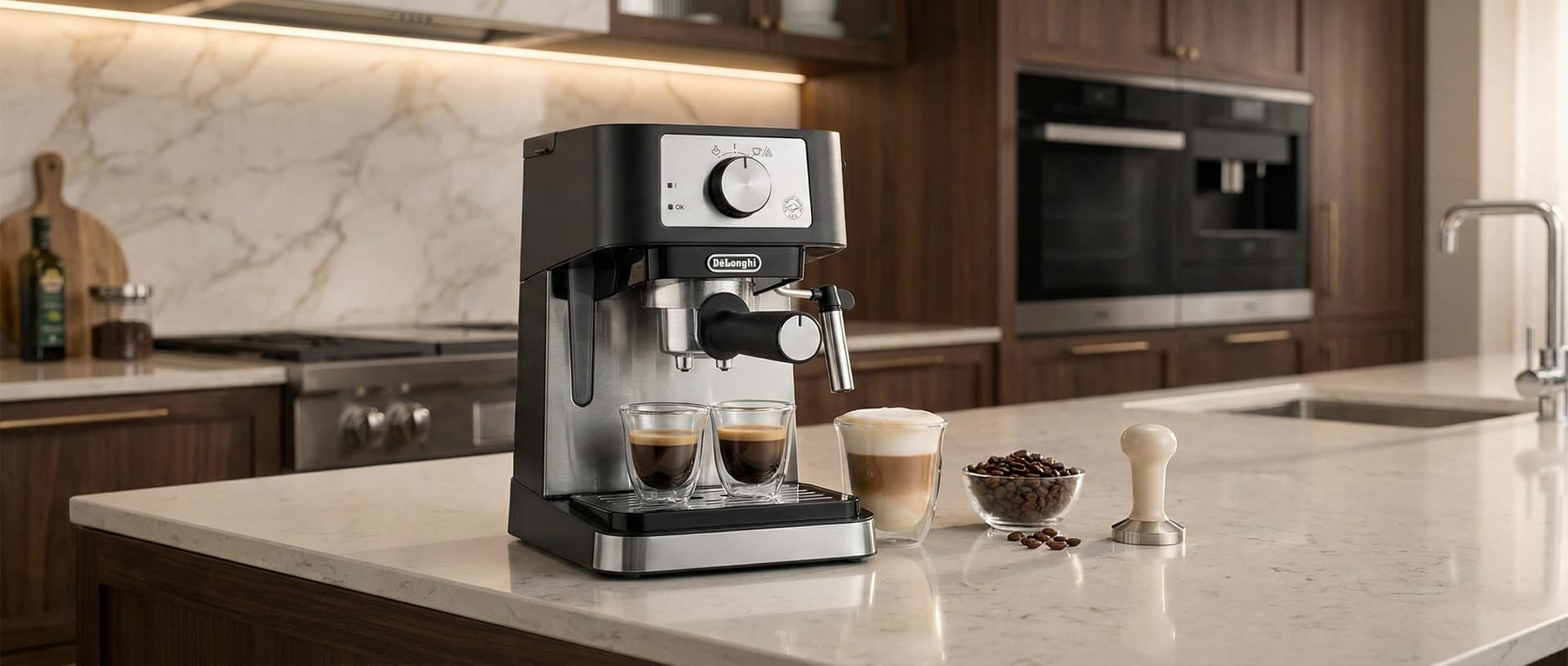
DeLonghi Stilosa EC260
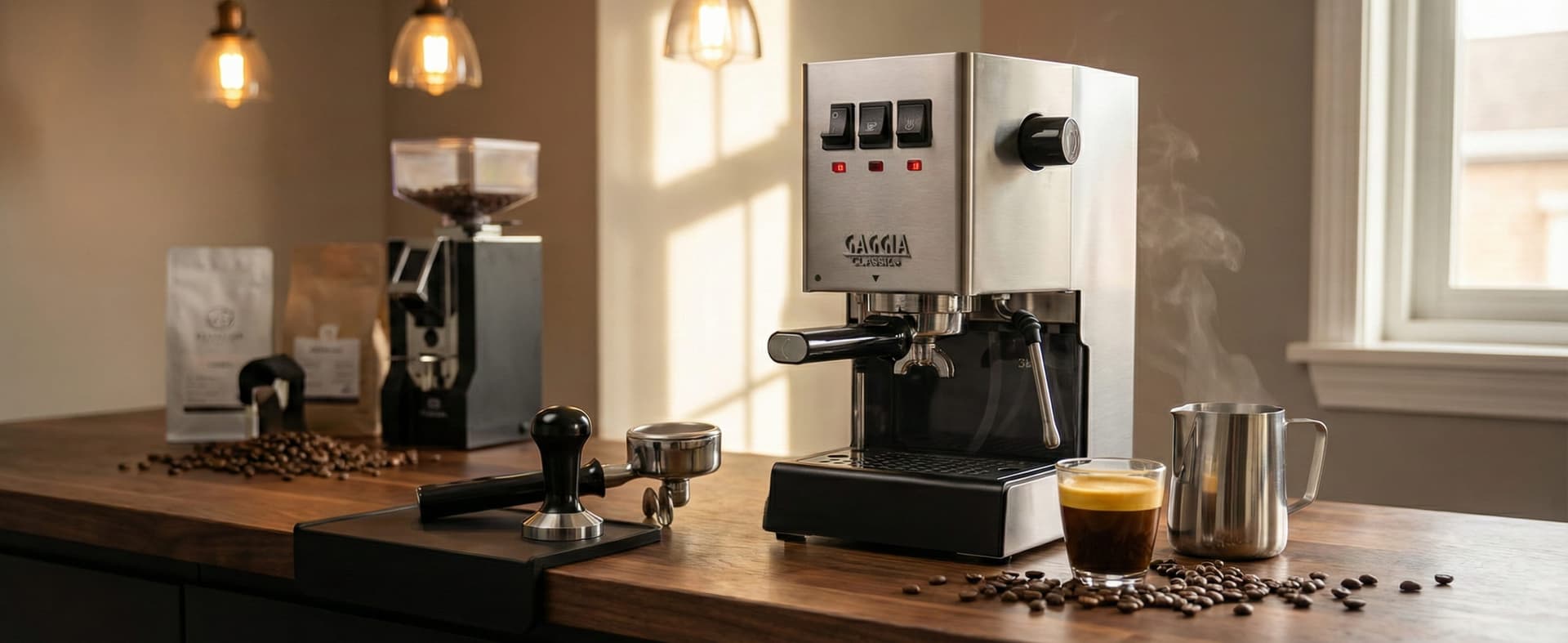
Gaggia Classic Pro
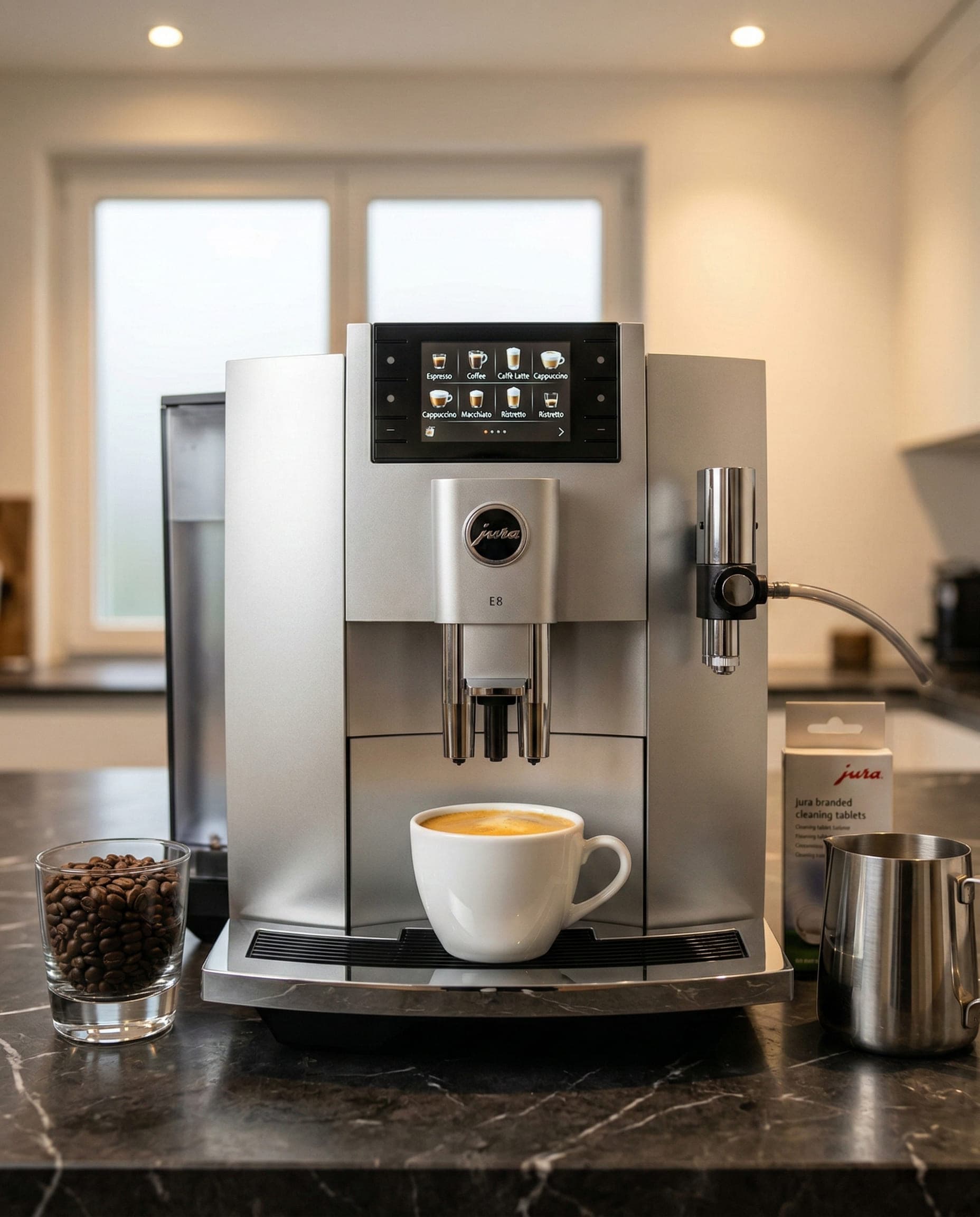
Jura E8 Super-Automatic Espresso Machine
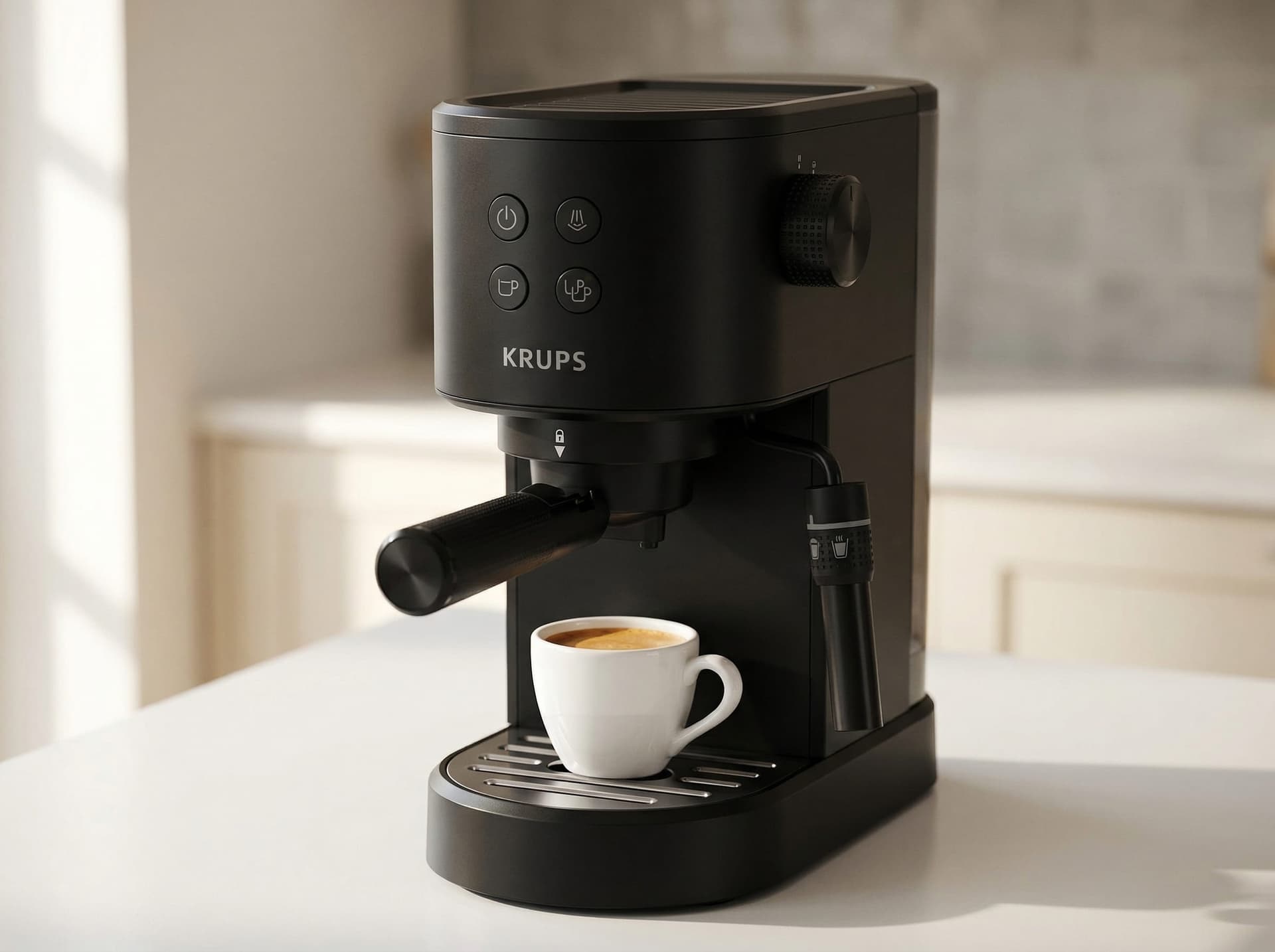
Krups XP444C50
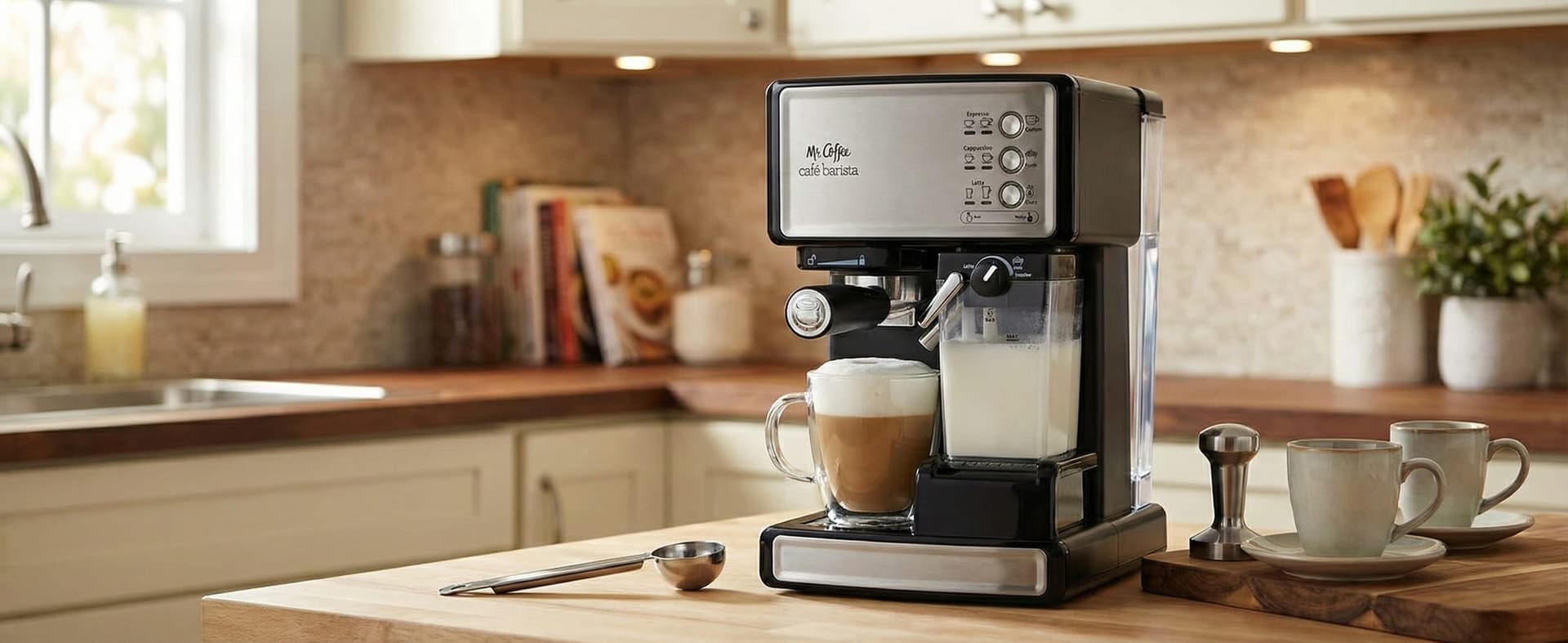
Mr. Coffee Café Barista
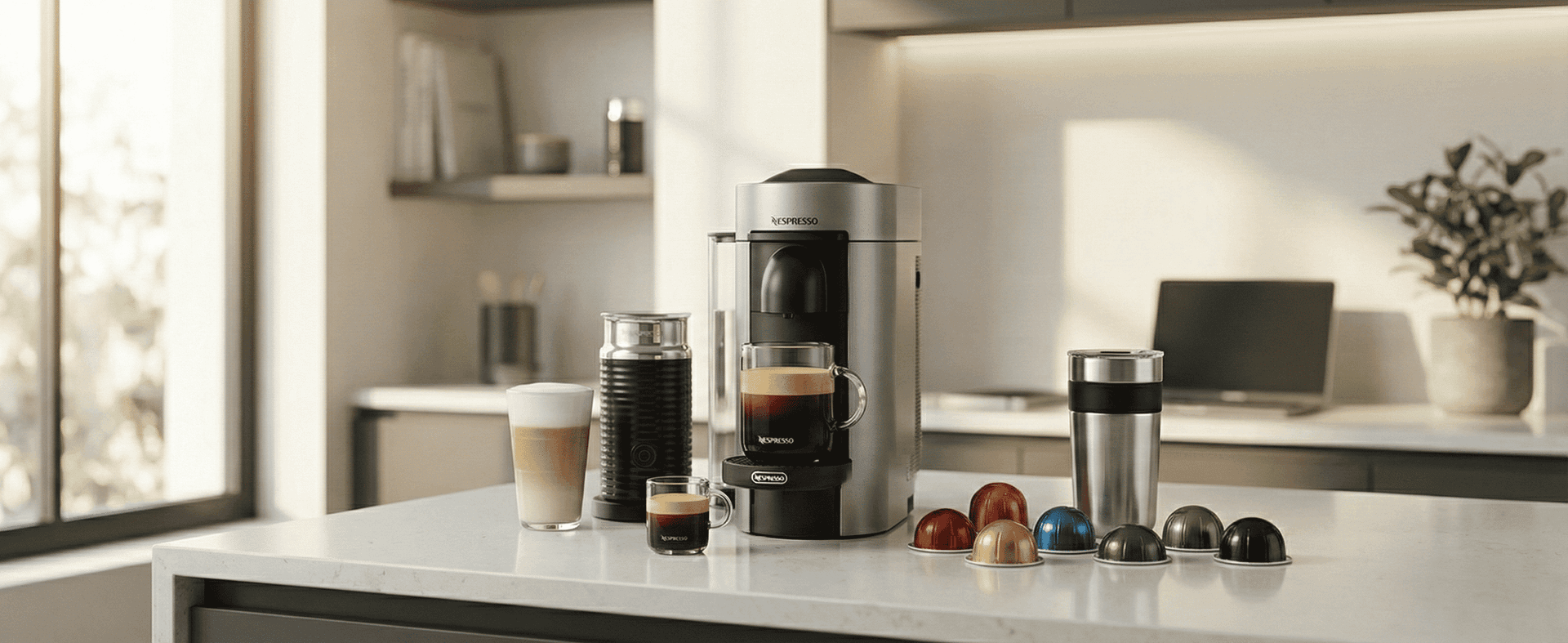
Nespresso VertuoPlus
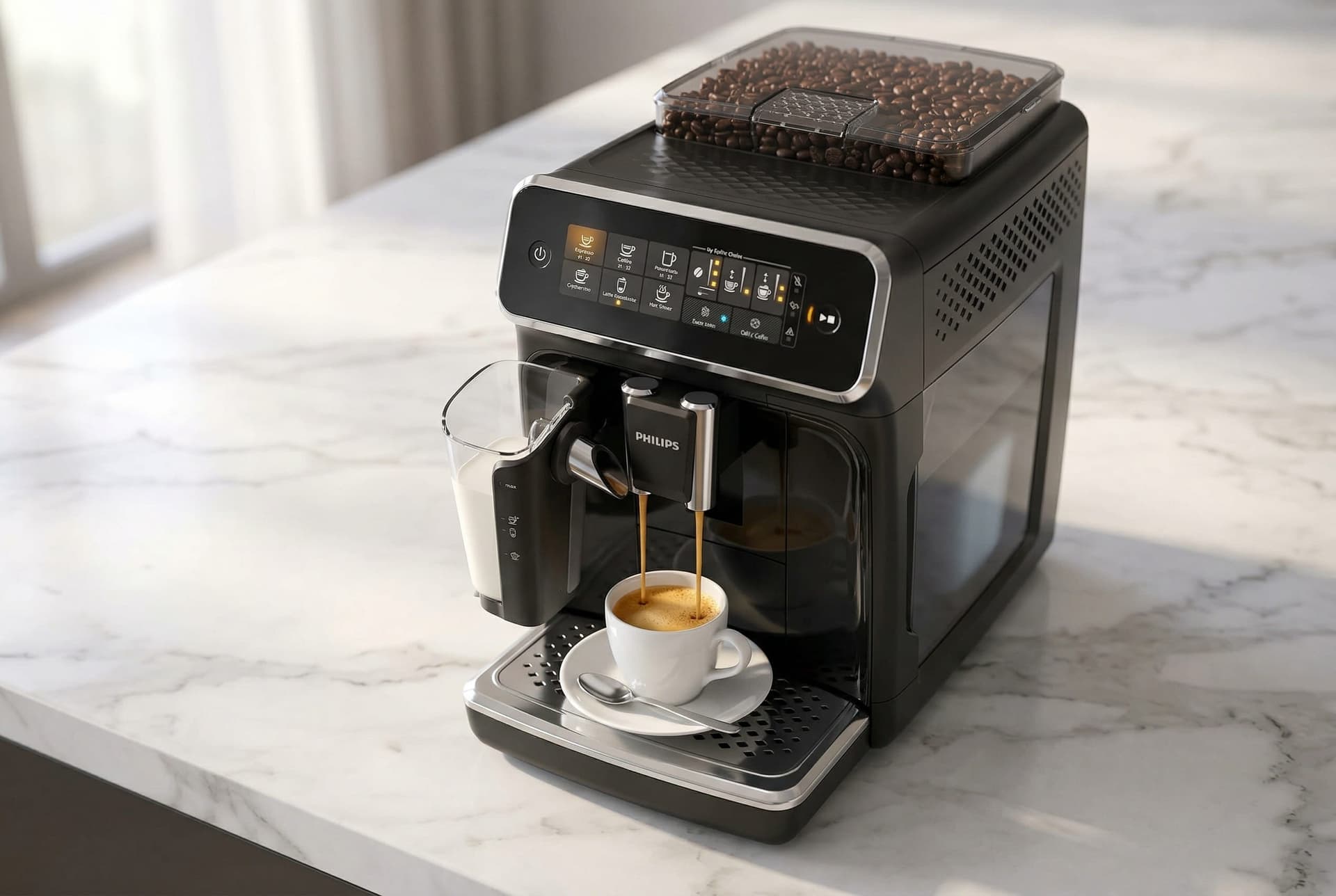
Philips 3200 LatteGo
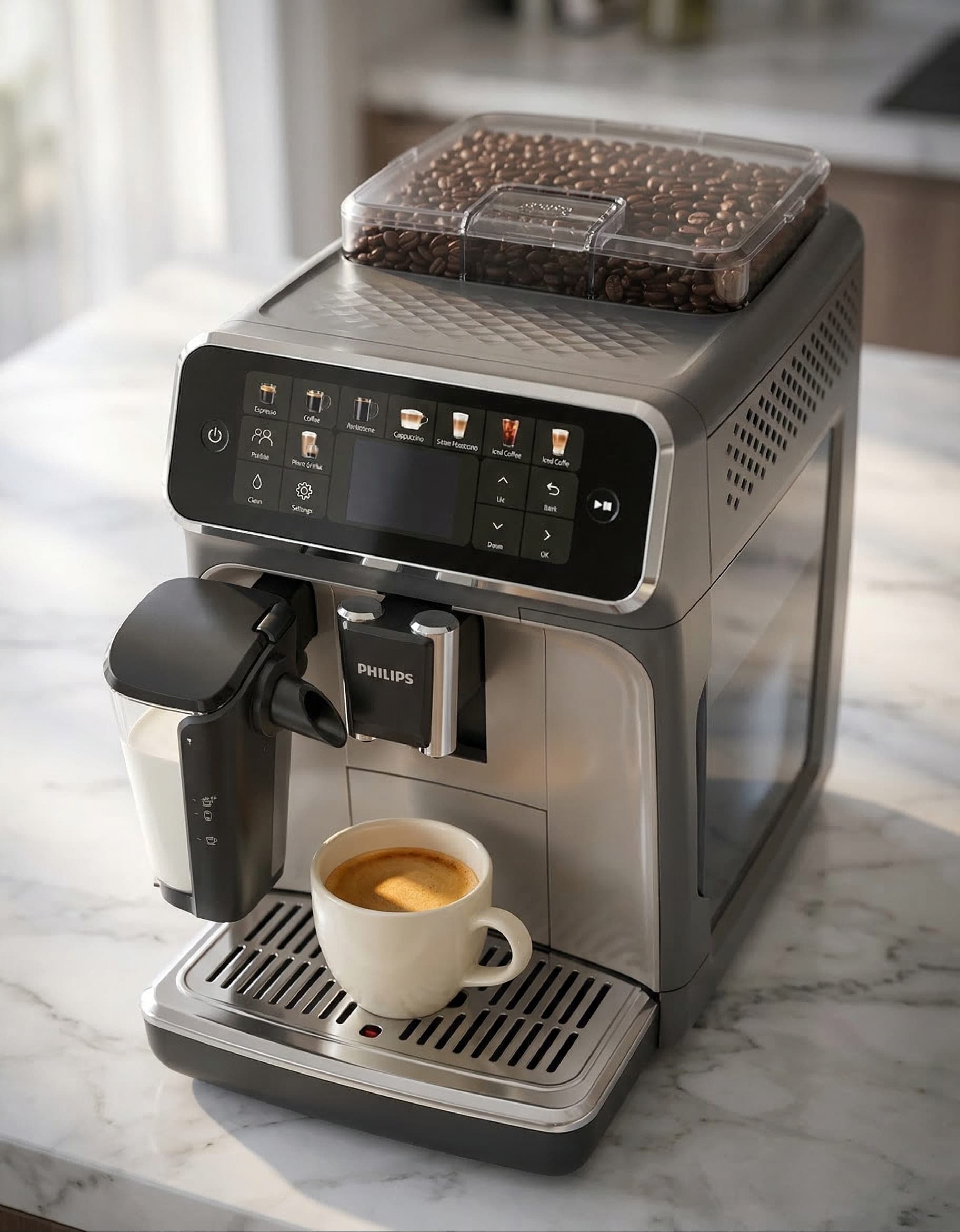
Philips 5500 Series
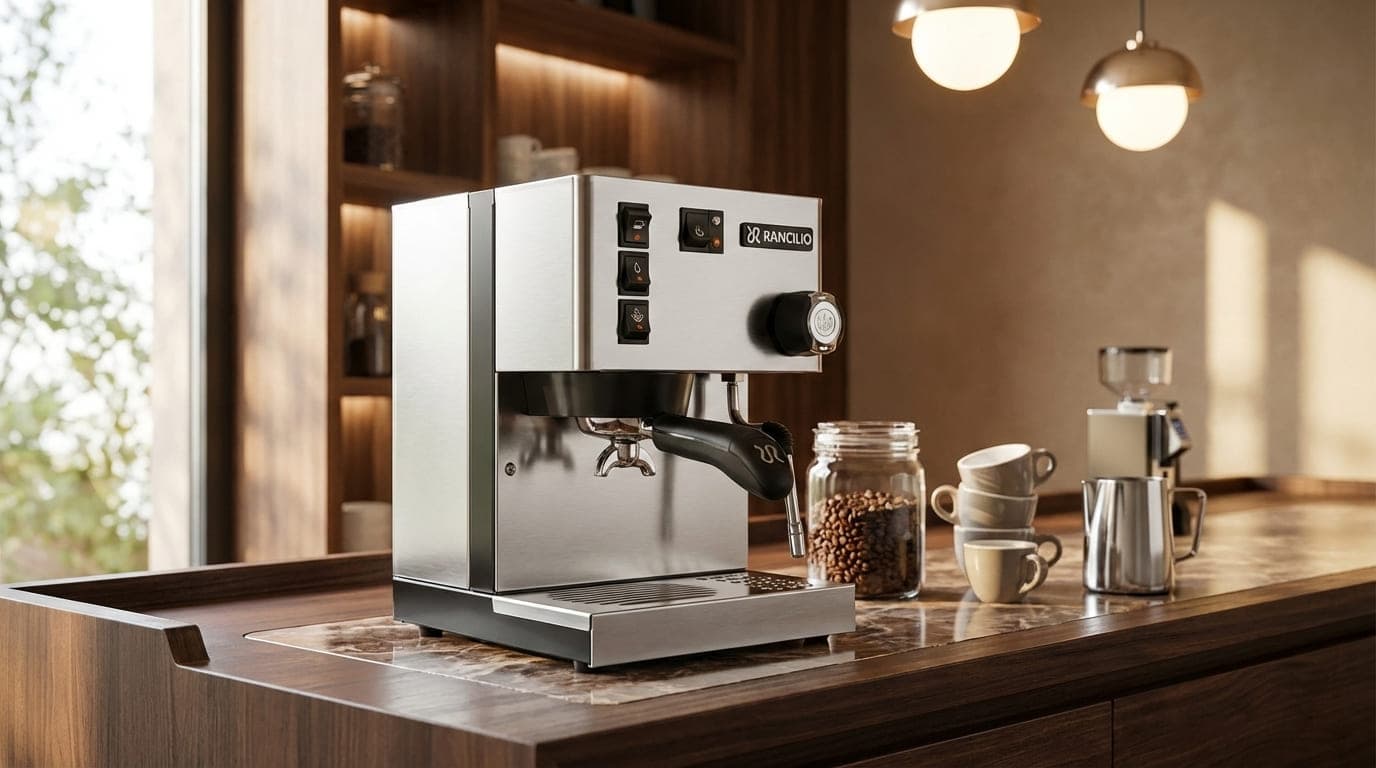
Rancilio Silvia
What to Consider When Buying
✓Machine Type
Semi-automatic offers the best balance of control and convenience in my testing. Manual (lever) machines give ultimate control but require skill I've developed over years. Super-automatics handle everything automatically but offer less customization for enthusiasts.
Read more: Espresso Machine Types Explained · What Is Espresso?
✓Budget & Value
Entry-level machines ($200-$500) deliver exceptional value in my testing—some rival $1,200+ models. Mid-range ($500-$1500) offers better temperature stability I've measured. High-end ($1500+) provides professional features and durability I've tracked long-term.
✓Boiler Type
Single boiler requires 45-60 second waits I've measured between shots and steaming. Heat exchanger allows simultaneous brewing and steaming. Dual boiler offers independent temperature control for both—critical for high-volume use in my experience.
Understand how espresso machines work in our beginner's guide.
✓Grinder Compatibility
Built-in grinders offer convenience but less flexibility for upgrades in my testing. Separate grinders provide better grind quality and consistency I've verified. Consider your budget for both machine and grinder together—the grinder matters as much as the machine in my experience.
Browse our coffee grinder reviews, how to choose a burr grinder, and manual vs electric grinders.
✓Maintenance Requirements
Regular backflushing and descaling are essential in my maintenance routine. Some machines require more maintenance than others I've tested. Consider long-term parts availability and service support—I've tracked this extensively for reliability.
Step-by-step instructions: How to descale a coffee machine.
✓Counter Space
Compact machines (under 12" wide) fit space-constrained setups I've tested. Standard machines need 15-18" of counter space. Consider height clearance for water reservoir access—important detail I've learned through testing.
Not sure which type is right for you? Our expert espresso machine comparison guide breaks down every machine by skill level and budget.
Expert Tips
💡Don't skimp on the grinder—it's just as important as the espresso machine in my 15+ years of testing. A quality burr grinder is essential for consistent extraction I've measured across hundreds of shots.
💡Start with a semi-automatic machine if you're new to espresso based on my experience guiding beginners. They offer the best learning experience without being overwhelming.
💡Temperature stability is crucial for consistent shots I've pulled. Look for PID temperature control or thermocoil/thermoblock systems in your budget range—I've measured ±1-2°F on PID models versus ±8-10°F on basic thermostats.
💡Consider the total cost of ownership including a quality grinder, tamper, and regular maintenance supplies. Budget an additional $200-$500 for essential accessories based on my testing setup recommendations.
💡I track long-term reliability extensively through user interviews and my own testing. Machines like the Gaggia Classic Pro commonly last 10-20+ years, while budget models average 3-5 years in my observations.
Expert-Tested Reviews
All home espresso machines we've reviewed on this page are evaluated by our certified coffee professionals with 27+ years combined experience. Our team includes SCA Level 2 certified experts and Q Graders who have tested 500+ coffee products.
Compare Espresso Machines by Budget & Skill Level
Whether you're a first-time buyer or upgrading to a prosumer setup, use these starting points to navigate our tested lineup.
Pair Your Machine with the Right Gear
A great espresso machine is only as good as the gear it's paired with. Explore our related reviews and guides to build your complete setup.
Ready to Find Your Perfect Machine?
Our best espresso machines 2026 guide ranks every model we've tested — find yours in minutes.