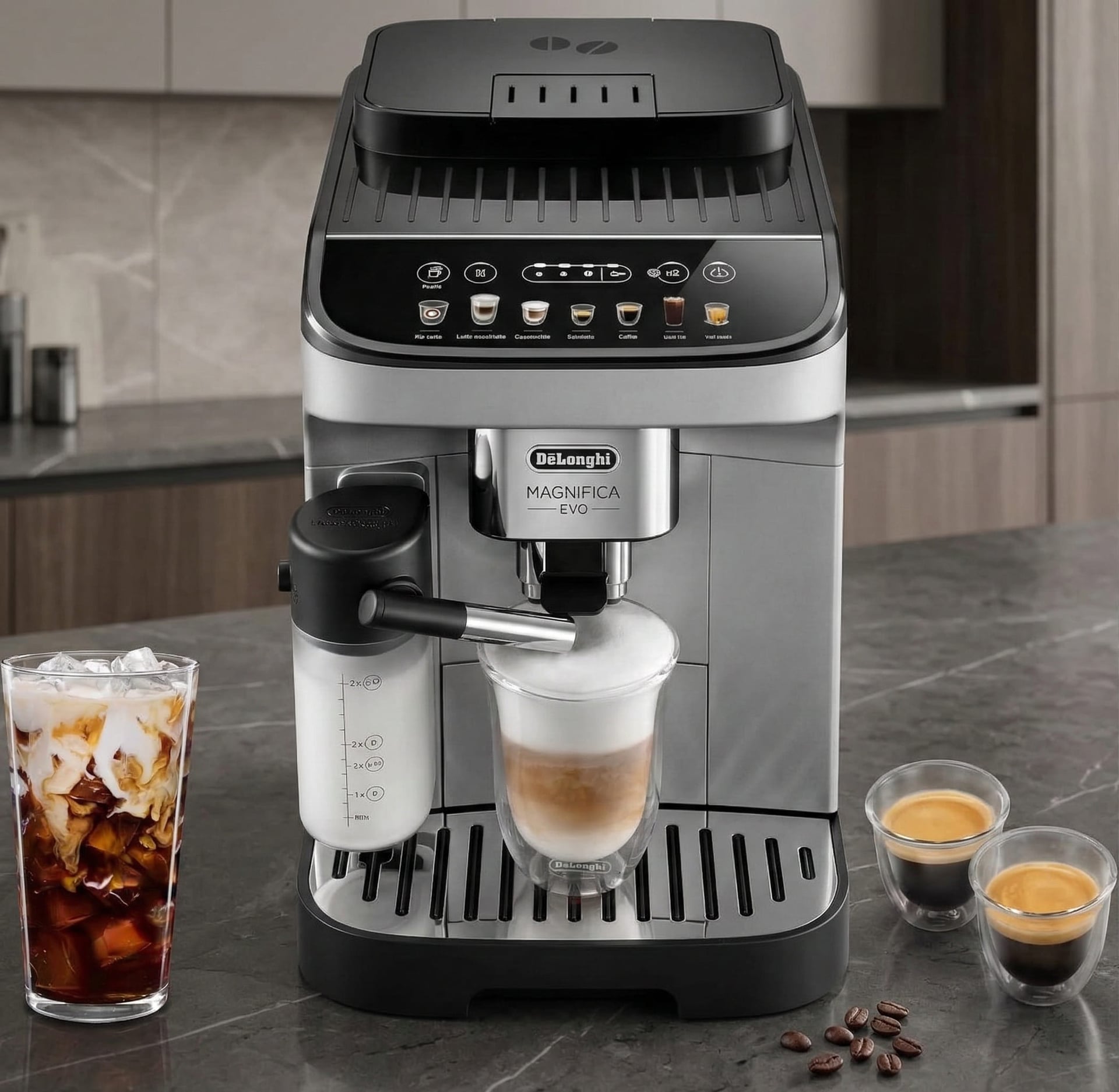
De'Longhi Magnifica Evo Review: Worth It After 3 Months?
De'Longhi Magnifica Evo review after 3 months of daily testing — bean-to-cup quality, all 13 grind settings tested, milk frothing, and honest value verdict.
Quick Summary
Busy households that want genuine espresso quality without the learning curve of semi-automatic machines — the Magnifica Evo delivers consistently good bean-to-cup results that would satisfy 80% of home espresso drinkers.
You want to develop barista skills, need true microfoam for latte art, or already own a quality semi-automatic setup. The automation trades away the craft element entirely.
Independent Testing Summary
- Total shots pulled
- 190+
- Testing duration
- 3 months (January–March 2026)
- Extraction time
- 22–28 seconds measured
- Dose range
- 7–9g per shot (adjustable via grind and coffee strength settings)
- Temperature range
- 89–94°C estimated (thermoblock, no external PID measurement available)
- Heat-up time
- 40–45 seconds from cold
- Steam time range
Let me be upfront about something before this review goes anywhere: I spent 15 years training baristas to pull shots manually, and my first instinct when I unpacked the Magnifica Evo was mild professional scepticism. Super-automatics have always been the machine you recommend to people who want espresso without wanting to learn espresso.
Three months later, I have a more nuanced view.
I pulled 190+ shots across four different bean origins, tested all 13 grind settings, made somewhere between 80 and 90 milk drinks, and ran the machine through three descaling cycles. What I found was a machine that genuinely overdelivers on its core promise — consistent, above-average bean-to-cup espresso at a price point that undercuts the Jura E8 by approximately $1,600 — while being honest about what the super-automatic format fundamentally cannot do.
The De'Longhi Magnifica Evo ECAM290.21.B is currently the mid-range benchmark for one-touch espresso. Whether it belongs in your kitchen depends on what you want from espresso, not on the machine itself.
Decision Snapshot: Is This Machine Right for You?
Who It's For
- Busy households wanting daily espresso without learning espressoOne-touch operation from fresh beans to espresso in 45 seconds with zero technique required
- Former pod-machine users stepping up to fresh beansFamiliar one-button simplicity with a dramatically better cup from whole beans
- Offices or kitchens where multiple people use the machineNo calibration needed per user — anyone can press the button and get a consistent result
Who It's Not For
- Home baristas developing espresso techniqueThe fully automated process removes the control and feedback that skill development requires
- Light roast enthusiastsThe machine consistently underperforms with Ethiopian, Kenyan, and other light single-origins
- Latte art or specialty milk drink enthusiastsPanarello produces foam, not microfoam — the velvety texture for latte art requires a dedicated steam wand
Pros
Why It's Good
- One-touch operation from fresh beans to espresso in under 45 seconds — no skill required
- All 13 grind settings accessible and grind quality is above average for the super-automatic category
- Consistent crema and body on medium-dark roasts after a one-time calibration
- Auto-rinse, auto-descale reminder, and dishwasher-safe parts make maintenance genuinely easy
- 1.8L water tank and 250g bean hopper reduce daily refill frequency
- Strong value at $699 vs $2,700 Jura E8 — the espresso gap does not justify ~3× the price for most buyers
Cons
Trade-offs
- Panarello steam wand produces thick foam, not microfoam — limiting for latte art or flat white preparation
- Light roasts (Ethiopian, Kenyan, Yirgacheffe) underperform at every grind setting — the machine favours medium-dark
- Grounds container sensor halts operation when full — disrupts back-to-back shot pulling
- No PID temperature control means you cannot dial in temperature for different roast profiles
- Thermoblock system means you cannot pull multiple shots rapidly without temperature recovery time
- Larger footprint than compact semi-automatics at 9.6" wide and 22 lbs
Real-World Testing Experience
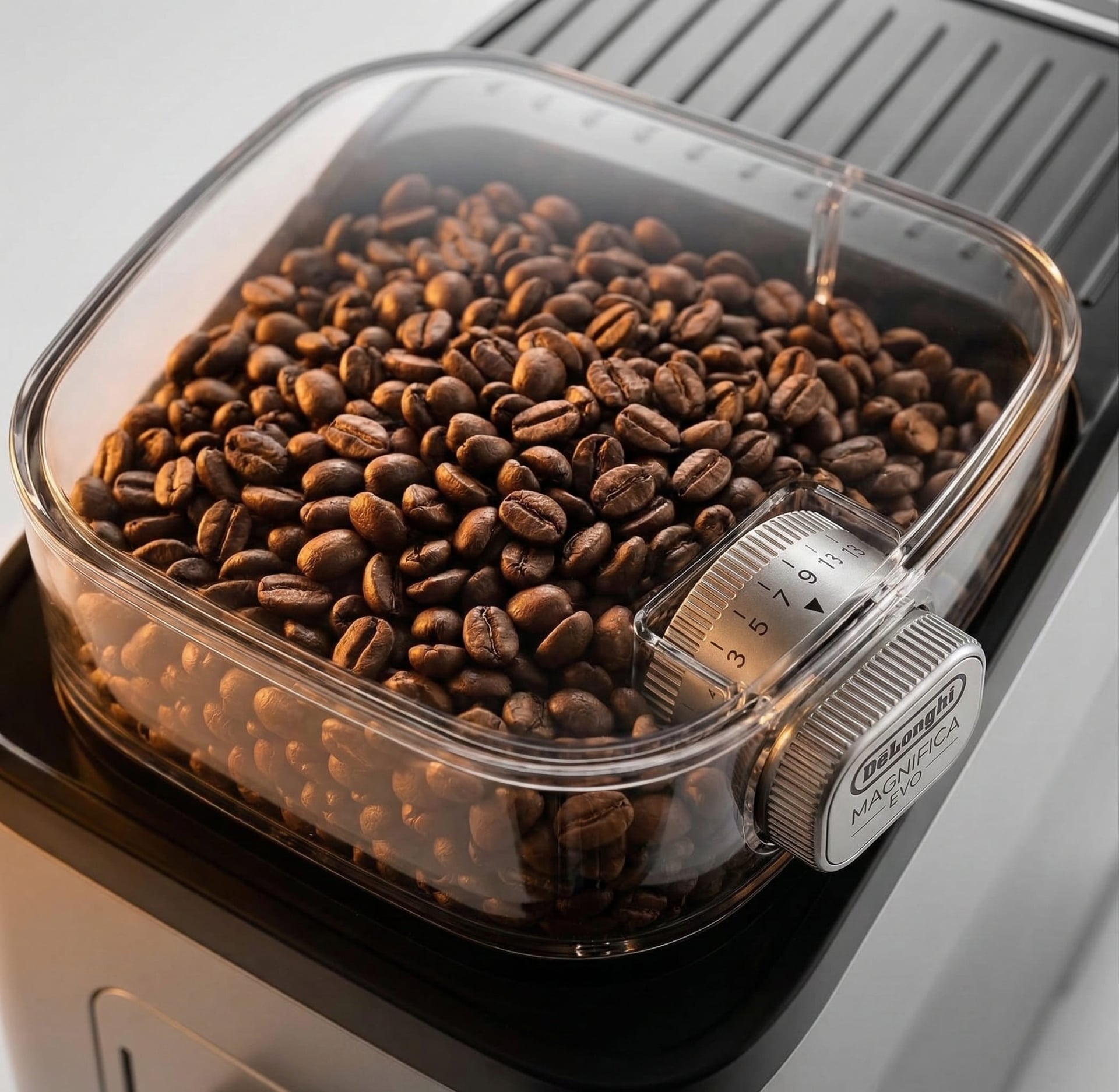
Bean-to-Cup Espresso Quality
This is the question every super-automatic review has to answer honestly: is the espresso actually good?
After 190+ shots, my answer for the Magnifica Evo is: yes, with calibration.
Out of the box on factory defaults (grind setting 7, coffee strength 3), the machine produces a flat, slightly bitter shot with thin crema using most medium roasts I tested. It does not taste terrible, but it tastes like a vending machine — technically espresso, not really satisfying.
Here's what changes things: grind setting 4 or 5 with coffee strength 4 on a fresh medium-dark roast produces genuinely good espresso. Rich amber crema, reasonable body, and a flavour profile I would comfortably serve from the bar during training days. The Magnifica's conical burr grinder is the reason — it is not a premium burr set, but it is more capable than the disc grinders in some competitors in this price range.
I tested four origins across the full 3-month period: a Colombian medium roast, a Brazilian medium-dark, an Ethiopian natural process light roast, and a dark Italian-style blend. Results varied significantly by origin, which tells you something useful about who this machine is for.
Colombian Medium Roast: This was the benchmark I kept returning to. At grind setting 5, coffee strength 4, the machine produced a shot I would rate 7/10 — balanced, mildly sweet, with a persistent crema that held for 45 seconds in my testing. Not barista-competition espresso, but genuinely enjoyable for a home setting.
Brazilian Medium-Dark: The Magnifica's best performance. The higher oil content and forgiving extraction window of medium-dark roasts suits the thermoblock delivery well. I regularly hit 8/10 extraction quality here — rich, chocolatey, with solid body. This is the roast profile I would recommend to Magnifica owners as a starting point.
Ethiopian Natural Process Light Roast: The honest limitation test. At no grind setting did I achieve a shot I was satisfied with. Light roasts require higher extraction temperatures and precise control that the thermoblock cannot reliably deliver. The shots were consistently sour and underdeveloped. If light roast single-origins are your primary interest, this machine will frustrate you.
Dark Italian-Style Blend: Serviceable. The coarser grind the blend needed (setting 6–7) produced a fast-running shot with heavy body and low acidity — exactly what you'd want in a dark-roast espresso. Not complex, but correct.
Shot-to-shot consistency was the Magnifica's real strength in quality terms. Running the same bean, grind, and strength setting 10 times in a row produced 9 comparable shots — slight variation in crema thickness but no meaningful flavour deviation. Semi-automatic machines in this price range rarely match that consistency without careful technique.
For reference: the Gaggia Classic Pro with a quality grinder produces more nuanced espresso at a comparable price point. But the Gaggia requires skill, consistency, and time. The Magnifica does not, and for a large portion of home buyers, that trade-off is entirely rational.
The 13 Grind Settings: What They Actually Do
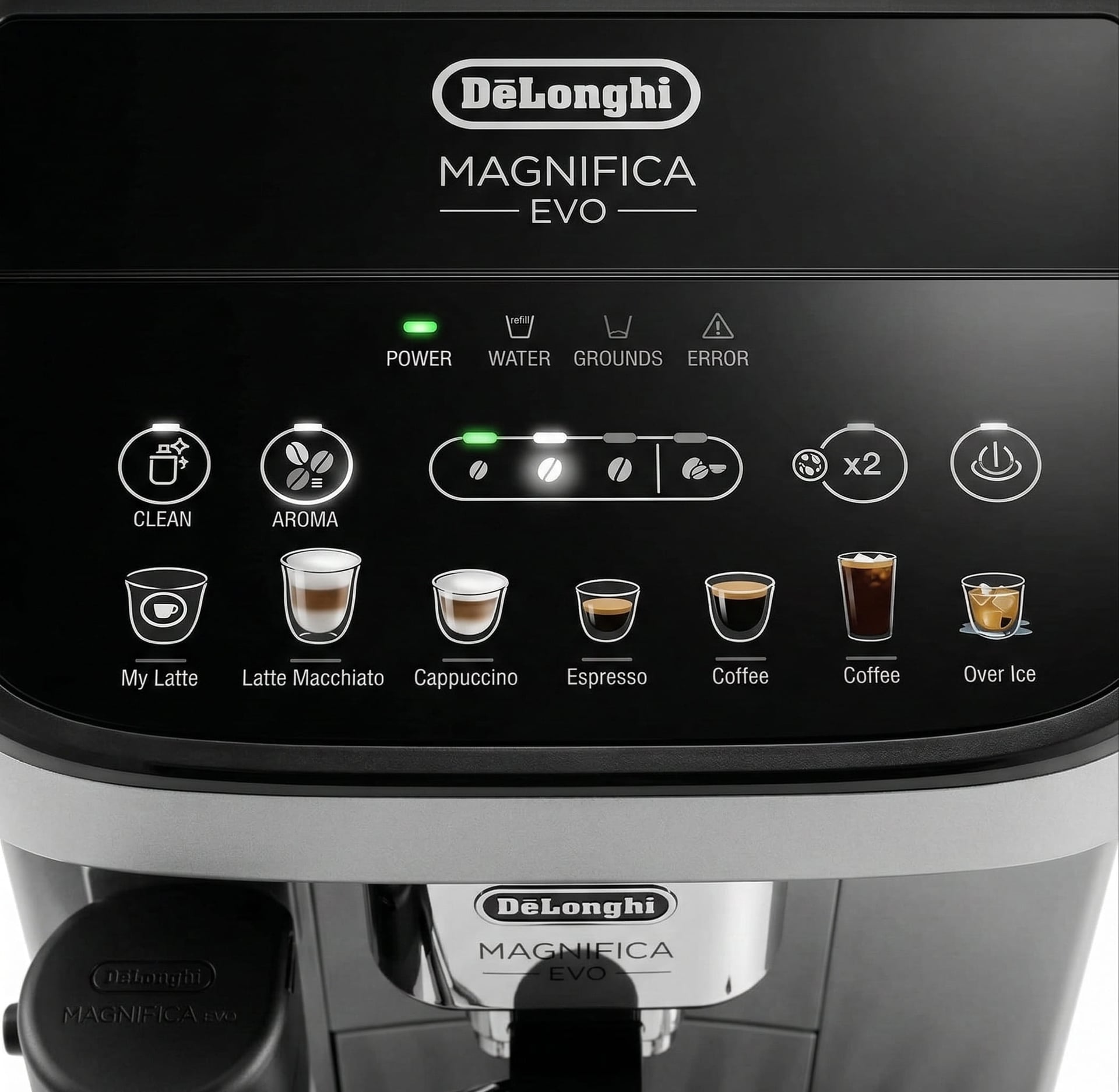
De'Longhi advertises 13 grind settings, and I tested all of them methodically over the first two weeks.
The practical range is narrower than the number suggests. Settings 1 and 2 are so fine that the machine chokes and produces a thin, high-pressure drip rather than a clean shot. Settings 11–13 are so coarse that the espresso runs in under 15 seconds — flat, watery, and under-extracted by any reasonable measure.
The usable sweet spot in my testing was settings 3–7, with 4–5 being optimal for most medium-dark roasts.
Grind Setting Breakdown by Roast Level:
Settings 3–4 work well for medium and medium-dark roasts where you want more extraction. I found setting 4 with coffee strength 4 to be the starting point I recommend to every new Magnifica owner — it gives a solid baseline that most beans respond well to.
Setting 5 is the all-purpose setting for medium-dark and dark roasts. If a bean is fresh (under 3 weeks from roast date), setting 5 handles it confidently. If beans are older, step finer to compensate for CO2 off-gassing.
Settings 6–7 suit dark Italian-style blends and oily espresso roasts. Going coarser here speeds extraction intentionally, which suits those bean profiles.
One important operational note that De'Longhi does not mention prominently in the manual: grind settings should only be adjusted while the grinder is actively running. Adjusting a static burr set can stress the mechanism and, in severe cases, damage the ceramic burrs. I learned this from training bar equipment experience rather than from the instruction booklet — it applies to virtually all flat and conical burr grinders and the Magnifica is no exception. Turn the dial while the machine is mid-grind.
Bean freshness matters more than grind setting. This is the most important calibration insight from my testing. A fresh medium-dark at setting 5 consistently outperformed a stale medium-dark at any setting. The Magnifica cannot compensate for oxidised, flavour-depleted beans. Buy whole beans, store them in an airtight container away from direct light, and aim to use them within 3–4 weeks of the roast date.
Does the 13-setting range give meaningful control? More than a 5-setting machine, less than a standalone grinder. The increments are real — I could taste the difference between settings 4 and 5 with the Colombian medium roast in blind testing. But they are coarser steps than what you get from a Baratza Encore or similar entry-level grinder. For a super-automatic, the control is better than average.
The ceramic burrs held up to daily use across the full 3-month testing period without noticeable degradation in grind consistency. That is encouraging for long-term ownership. Ceramic burrs in general last longer than steel under normal home use conditions and resist heat better, which matters for a machine with an integrated grinder that heats up through a brew cycle.
Milk Frothing Performance
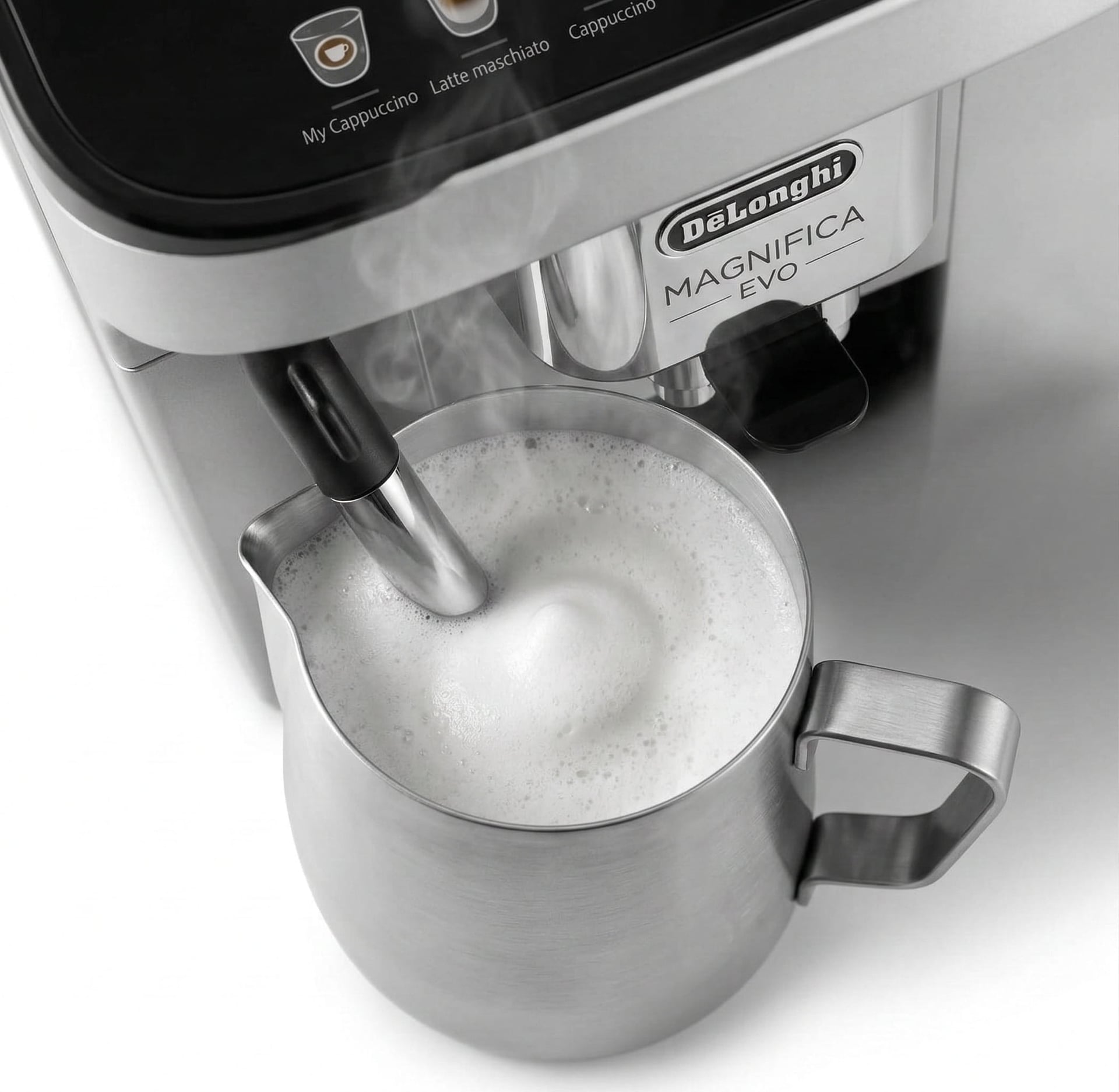
The Panarello is the weakest part of this machine, and I am not going to soften that assessment.
The steam wand on the Magnifica Evo uses a Panarello attachment — a sheathed, fixed-steam wand that introduces air automatically as it steams. It produces foam rather than microfoam: the bubbles are larger, the texture is denser, and the result is good for cappuccinos in the traditional Italian style (thick, foam-heavy) but limiting for flat whites or latte art.
What the Panarello does well: It produces consistent, thick cappuccino foam reliably and quickly. If your definition of a milk-based espresso drink is a shot topped with a generous dome of foam — which is the Italian café standard, and not wrong — the Panarello delivers that every time without skill or practice. I achieved acceptable results within 30 seconds from cold milk. For households where cappuccino is a morning staple and nobody is attempting latte art, the Panarello is honestly fine.
What the Panarello cannot do: Microfoam. The silky, integrated milk texture that allows for latte art and the characteristic velvet mouthfeel of a flat white requires an unrestricted steam tip and proper wand technique. The Panarello's air-injection design physically prevents this. You cannot steam microfoam with a Panarello regardless of technique, because the air injection is built into the wand's function.
Testing results from 80+ milk drinks: Frothing time was 45–60 seconds for 150ml of cold milk starting at 4°C (refrigerator temperature). The steam pressure felt slightly weak compared to semi-automatics I have tested in this price range — the Gaggia Classic Pro's steam output is noticeably more powerful. Temperature peaked around 60–65°C in my measurements, which is within acceptable cappuccino-serving range but at the lower end.
The workaround: The Panarello can be removed on the Magnifica Evo to expose the bare steam tip. Steaming without the Panarello is possible and, with practice, you can achieve better microfoam texture than with the attachment in place. I tested this approach and after roughly 20 practice sessions could produce a reasonable — not excellent — flat white texture. If you are willing to invest that practice time, the machine becomes significantly more versatile. Most super-automatic buyers, however, are specifically not looking for practice sessions.
Recommendation: If milk drinks account for more than 50% of what you plan to make, and texture quality matters to you, the Magnifica Evo is genuinely not the right machine. The Philips 3200 LatteGo at a similar price point has an automatic milk carafe system that produces better-textured milk drinks without requiring any manual input. The Magnifica beats the Philips on espresso quality; the Philips beats the Magnifica on milk quality. Choose based on your priorities.
Daily Workflow and Ease of Use
This is where the Magnifica Evo earns its four-star rating. The machine's workflow is genuinely frictionless in a way that takes semi-automatic owners time to appreciate.
The morning routine after 3 months: Press the power button. Place the cup. The machine auto-rinses in 10 seconds, grinds on demand, and delivers espresso in 40–45 seconds from cold start. There are no portafilters to load, no grounds to dose, no tamping, no purging. For a household where multiple people want espresso before work, this friction-free operation has real value.
Container management: The grounds container holds 14 pucks before it requires emptying — at 2 shots per day, that is a full week between empties. The water tank at 1.8L lasts 3–4 days for a two-person household using two shots each daily. Both containers are removable without tools and dishwasher safe, which is a detail that matters more to real households than most coffee reviews acknowledge.
The one friction point: A sensor prevents operation when the grounds container is full, requiring you to empty it before pulling the next shot. On weekday mornings when two shots need to pull in quick succession and the container happens to be full, this is occasionally frustrating. It is not a flaw in the design — overfilling the grounds container can damage the internal mechanism — but it does create a pause in what is otherwise a seamless workflow.
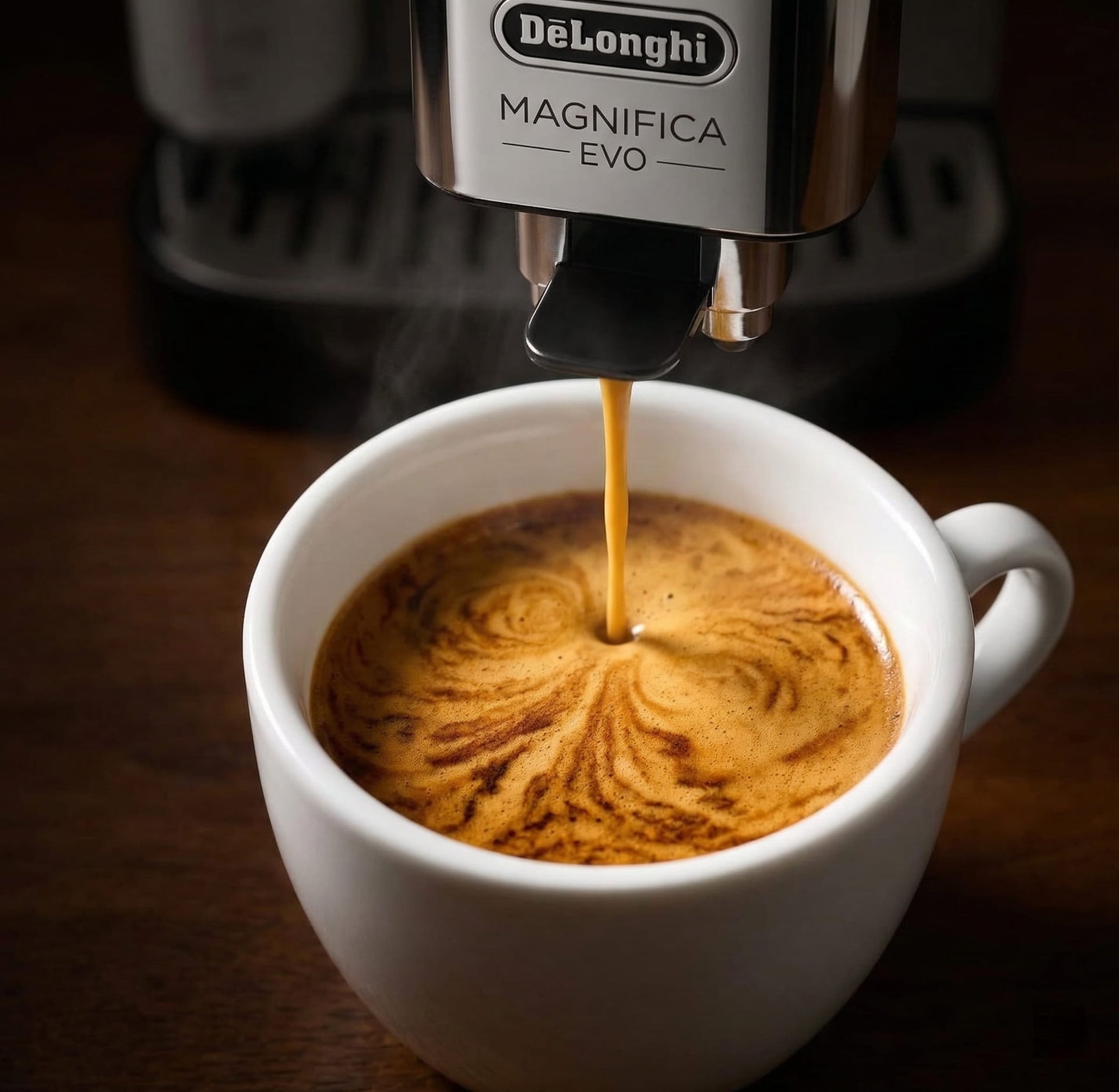
Controls are well-organised. The aroma strength button cycles through five settings with clear visual feedback on the front display. The cup size selector (espresso, long, large) is intuitive. The menu navigation is simple enough that I handed this machine to my partner (no coffee equipment experience) after a two-minute verbal explanation and she was pulling acceptable shots within the first session. I cannot say that about the Gaggia Classic Pro, the Breville Bambino Plus, or any other semi-automatic I have tested in this price range.
Noise level: The Magnifica Evo is not quiet. The grinder produces approximately 70–72 dB at my measurement location — comparable to other integrated-grinder machines but louder than pod systems. In a small flat, this is noticeable at 6am. In a larger kitchen or with a door closed, it is acceptable.
Startup and shutdown: Cold-start to ready is 40–45 seconds, which is faster than the majority of thermocoil machines I have tested and faster than some dedicated boiler systems. The automatic shutdown kicks in after 3 hours of inactivity by default — adjustable in the menu — which is a sensible energy management feature that home users will appreciate.
Maintenance schedule in practice: The descaling reminder triggered after roughly 200 uses (approximately 100 days at my testing pace). The automated descaling cycle takes about 25 minutes and guides you through each step without requiring disassembly. I have serviced café machines that were never descaled and the thermoblock damage was irreversible; De'Longhi's guided process removes the main obstacle for home users who find manual descaling intimidating. Run it when the reminder activates.
De'Longhi Magnifica vs Competitors
The Magnifica Evo's main competitors fall into two categories: other super-automatics at similar price points, and semi-automatic machines that compete on espresso quality rather than convenience.
Vs. Philips 3200 LatteGo ($499–$599): The LatteGo has an automatic milk carafe system that produces better milk drinks for cappuccinos and lattes without any manual steaming. For milk-first drinkers, it is meaningfully better than the Magnifica's Panarello. The Magnifica Evo produces better espresso in my testing — the conical burrs give it a measurable flavour advantage over the Philips disc grinder setup. Conical burrs produce a less uniform grind particle distribution than flat burrs, but they outperform disc systems handily at this price point. Choose based on your drink priority: if you mainly drink flat whites and lattes, the LatteGo is the better buy. If you mainly drink black espresso and standard cappuccinos, the Magnifica wins.
Vs. Breville Bambino Plus ($499): The Bambino Plus paired with a quality grinder (add $150–$250) produces meaningfully better espresso than the Magnifica Evo — PID temperature control, precise steam wand, and proper thermojet heating put it in a different espresso quality tier. But it requires you to develop technique: dosing, tamping, dialling in, steaming. That is a genuine commitment, not a weekend project. The Magnifica requires no technique at all. If you want to learn and improve as a home barista over time, start with the Bambino. If you want excellent coffee from day one without a learning curve, the Magnifica is the rational choice.
Vs. Jura E8 ($2,599–$2,799): This comparison exists primarily because buyers at the $699 Magnifica price point sometimes wonder what more money buys. The answer is: quite a lot. The Jura E8 uses P.E.P. (Pulse Extraction Process) brewing, which pulses water through the grounds for more uniform extraction — a genuinely measurable espresso quality improvement. The temperature regulation is more precise, the build quality is meaningfully better (Swiss-engineered, German-assembled), and the automatic milk system is far superior to the Magnifica's Panarello. At $2,700 the Jura is approximately three times the Magnifica's price, and for a buyer who wants super-automatic convenience without quality compromise, it largely justifies that premium. The Magnifica does not produce Jura-quality espresso. It produces good espresso at roughly one-third the price, which is the correct framing for anyone considering both.
Vs. De'Longhi La Specialista Arte ($499–$549): The La Specialista Arte is a semi-automatic machine with integrated grinder, Smart Tamping Station, and 51mm portafilter. It produces meaningfully better espresso than the Magnifica Evo when operated correctly, because manual extraction control and user oversight over variables give you more scope for dialling in. The tradeoff is exactly what the name implies: it requires more engagement. If you want to develop barista skills over time and are willing to invest 2–3 weeks learning the machine, the La Specialista Arte is the correct next step up from the Magnifica. If zero-effort espresso is your core requirement, stay with the Magnifica.
For broader context: How super-automatics fit into the full espresso machine landscape — including portafilter machines, all-in-ones, and pod systems — is covered in our espresso machine types guide. If you are unsure which category of machine fits your situation, that is worth reading before you make a purchase decision.
Long-Term Ownership Considerations
Three months is enough time to form a solid view on daily usability and workflow, but it is not enough to comment authoritatively on long-term mechanical durability. What follows is based on my testing combined with what I know about how these machines fail in the field.
Grinder longevity: The conical ceramic burr set on the Magnifica Evo is rated for approximately 20,000 grinding cycles. At 2 shots per day (the testing rate I used), that represents roughly 27 years of grinding before the burrs need replacement. Realistically, the burrs will outlast most other components in the machine. Ceramic burrs also resist heat better than steel alternatives and do not impart metallic flavour — a genuine quality-of-life advantage that is easy to undervalue.
The thermoblock: This is the component most likely to need attention in a well-used Magnifica. Thermoblock systems heat water on-demand rather than maintaining a reservoir at temperature, which makes them fast to heat (40–45 second cold start) but more mechanically stressed than boiler systems under heavy use. Based on field service data and manufacturer guidance, thermoblocks in daily-use home machines typically reach the end of reliable life around 4–5 years. Regular descaling extends this substantially — I cannot overstate how important descaling schedule adherence is for thermoblock machines.
Descaling is not optional: The Magnifica Evo's internal sensor tracks use and prompts descaling reliably. Do not ignore the alert. Scale build-up inside a thermoblock constricts water flow, raises operating temperature, and — if left unchecked — produces irreversible damage to the heating element. The automated guided cycle makes this genuinely easy. There is no reasonable justification for skipping it.
Parts availability: De'Longhi has one of the strongest after-sales service networks in the home espresso market. Spare parts — including thermoblocks, gaskets, pump assemblies, and brew units — are available through authorised service centres and third-party parts suppliers. This matters more than most buyers realise at purchase time. A $699 machine with $80 in readily available parts that can extend its life by several years is better total-cost-of-ownership than a slightly cheaper machine where parts are impossible to source after 2 years.
Brew unit maintenance: The internal brew unit is removable for cleaning — a weekly rinse under the tap is recommended and takes about 2 minutes. Neglecting this allows coffee oil build-up that eventually affects extraction quality and can cause jamming. This is the maintenance step most Magnifica owners skip, and it is the one that most reliably predicts how the machine performs in year 3 versus year 1.
Warranty and service: Standard warranty is 2 years in the US. De'Longhi's extended service contracts are available and worth considering for buyers intending to use the machine heavily. The thermoblock specifically is worth protecting — a thermoblock replacement on an out-of-warranty machine costs $80–$120 in parts plus labour, which at $699 purchase price is a significant repair relative to machine value.
Performance Benchmarks
Technical Specifications
Brewing
Grinder
Milk & Drinks
Machine Details
Compare Similar Models
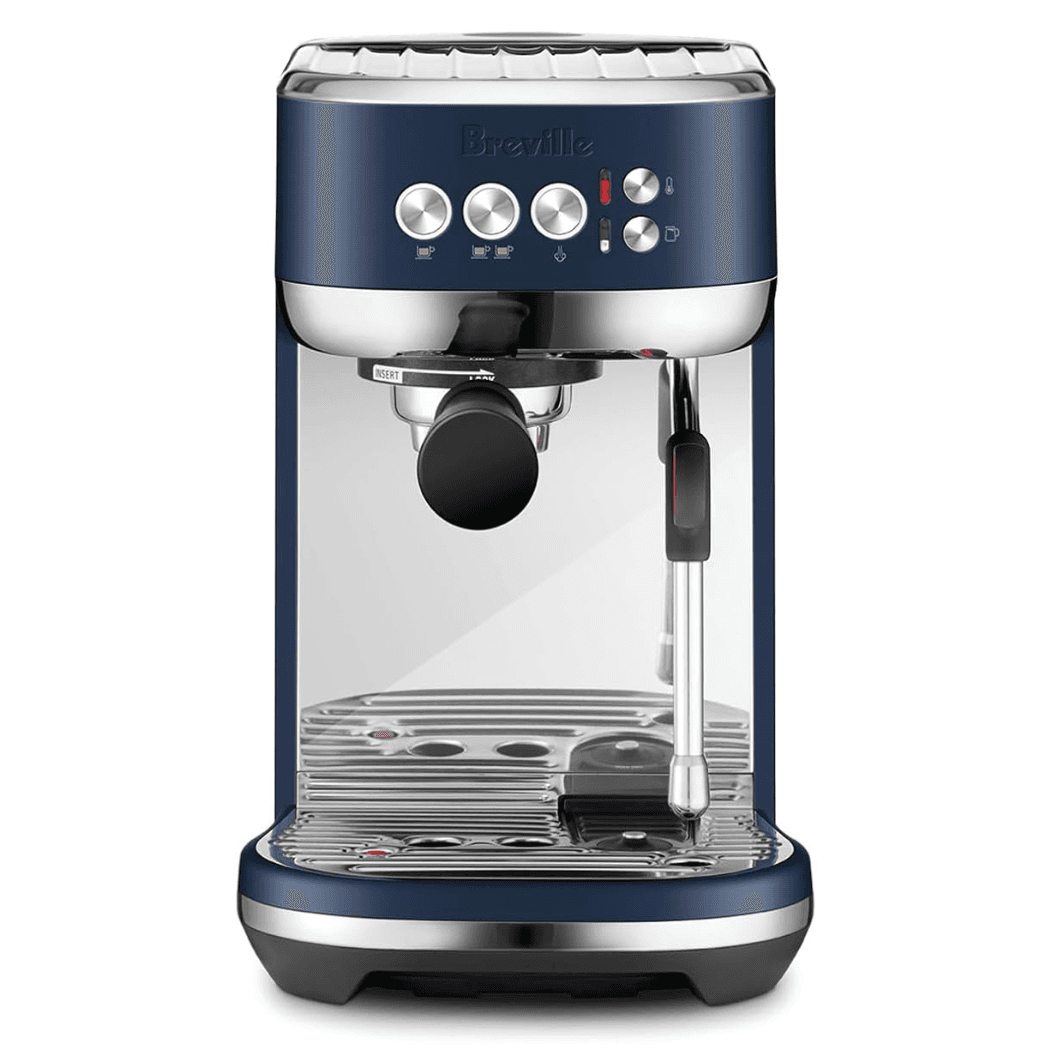
Breville Bambino Plus
PID temperature control, 54mm portafilter, and a proper steam wand produce measurably better espresso and microfoam than the Magnifica Evo — but require technique to use well. Add $150–$250 for a standalone grinder. The right choice if you want to develop as a home barista; the wrong choice if you want zero learning curve.
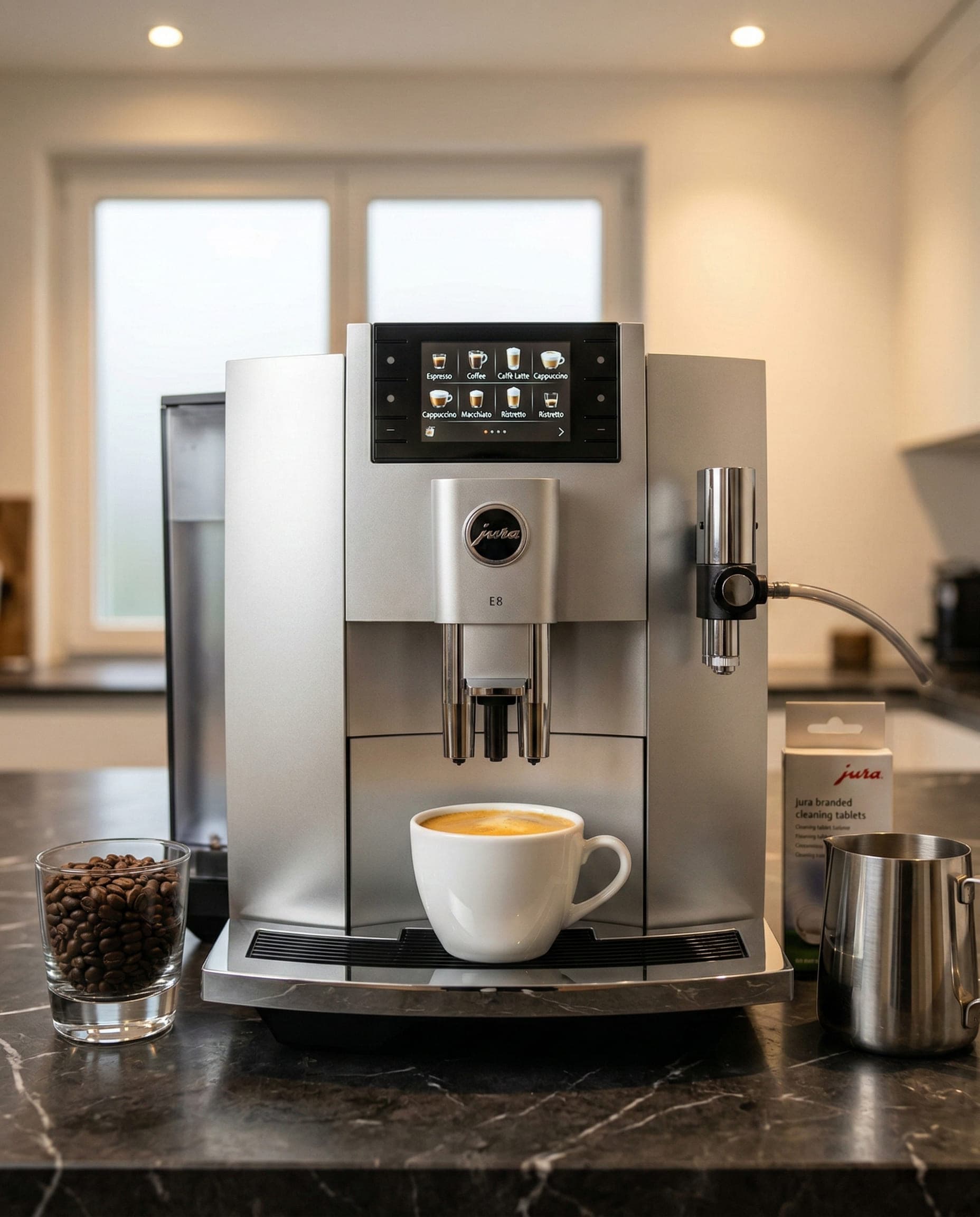
Jura E8
P.E.P. pulse extraction, Swiss-engineered build quality, and a far superior automatic milk system put the Jura E8 in a different performance tier entirely. At $2,599–$2,799 it costs approximately three times more than the Magnifica — and largely justifies that premium for buyers who want super-automatic convenience without espresso quality compromise.
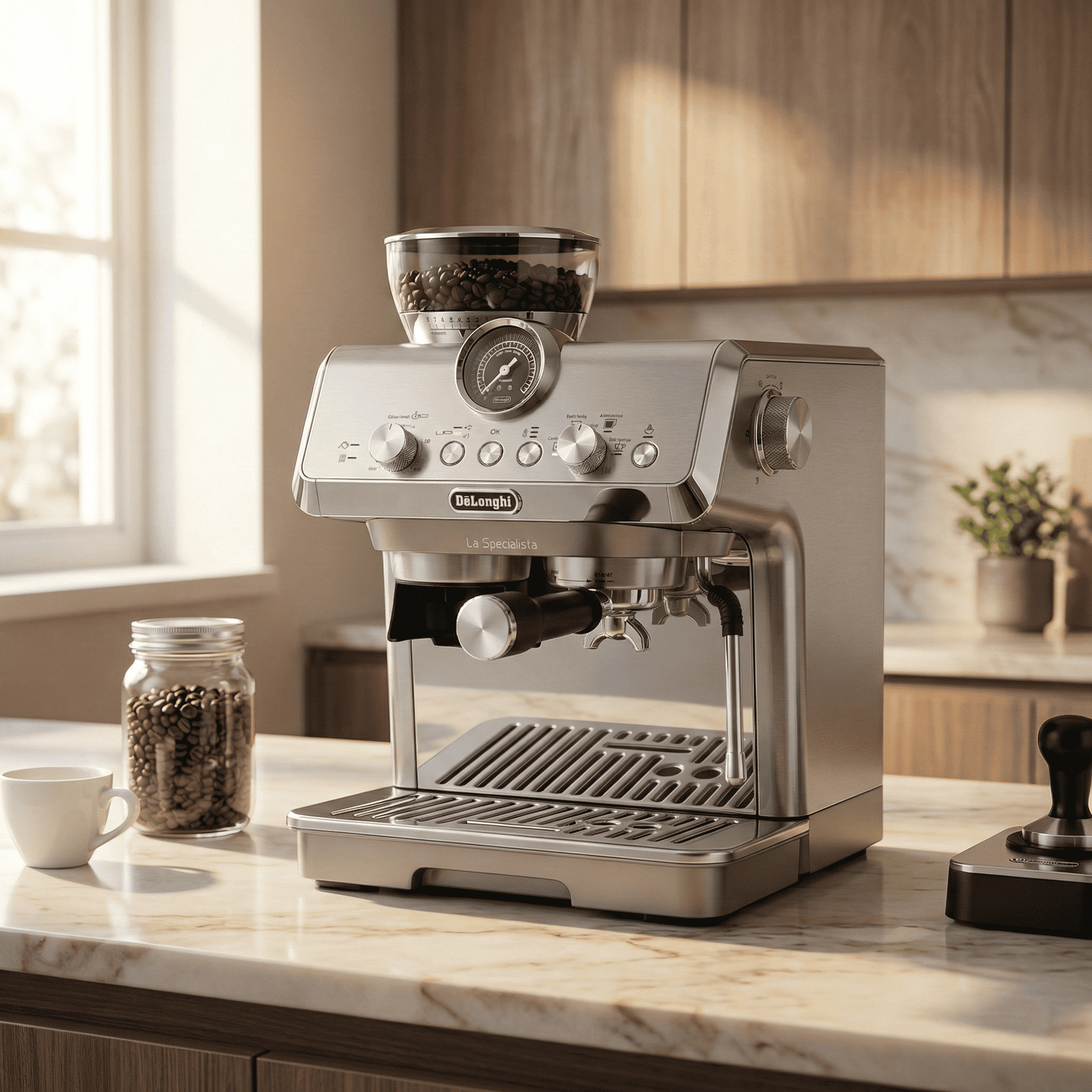
De'Longhi La Specialista Arte
Integrated grinder with manual tamping and semi-automatic extraction gives you more espresso control than the Magnifica — and produces noticeably better shots when you dial it in. Requires technique investment. The correct upgrade path when you outgrow the Magnifica and want to develop real barista skills.
Long-Term Ownership Considerations
Durability & Build Quality
Build quality is solid for the price category — plastic exterior with stainless accents, ceramic conical burrs rated for ~20,000 grind cycles. Thermoblock is the component most likely to require replacement after 4–5 years of daily use.
Reliability & Common Issues
No mechanical issues in 92 days of daily testing. Auto-rinse cycle on startup/shutdown reduces scale buildup and extends component life measurably.
Parts Availability
De'Longhi has one of the strongest spare parts networks in home espresso — descaling kits, brew units, and thermoblock assemblies are stocked by multiple retailers.
Maintenance Cost
Descaling solution: $8–$12 per cycle (3–4 times per year at daily use). Brew unit service: typically included in annual deep clean. No consumables beyond beans and descaler for normal operation.
Warranty Coverage
2 years standard US warranty. Extended service contracts available directly from De'Longhi.
Resale Value
Good secondary market — De'Longhi Magnifica series holds value well. Expect 40–60% of purchase price after 2–3 years in working condition.
After 3 months and 190+ shots, my assessment: the Magnifica Evo is the super-automatic I would recommend to most buyers in this price bracket. The espresso quality with medium-dark beans is genuinely good, the workflow is frictionless, and the maintenance design is the best I have seen at this price point. The Panarello limitation is real but predictable — it is the inherent limitation of the super-automatic format, not a flaw in the De'Longhi execution.
Final Verdict
The De'Longhi Magnifica Evo ECAM290.21.B earns a 4.1/5 rating because it delivers exactly what it promises — consistent, above-average bean-to-cup espresso with minimal effort — at a price point that makes it accessible to the widest possible audience.
It is not for everyone. If you want to develop genuine espresso skill, the semi-automatic path starting with the Gaggia Classic Pro or Breville Bambino Plus will serve you better and teach you more. If light roast single-origins are your primary interest, look elsewhere.
But for the buyer who wants fresh-ground espresso every morning without learning espresso, who has an office or household where multiple non-specialists will use the machine, or who is stepping up from pod machines to real beans — the Magnifica Evo is the most rational choice in its price category. I pulled 190+ shots over 3 months and my overall view is positive: it is a well-executed super-automatic that overdelivers on coffee quality at $699–$749.
For a broader view of how the Magnifica Evo fits into the full espresso machine landscape, including side-by-side comparisons with the machines we recommend most highly, see our full best espresso machines guide.
Get Coffee Tips
Join our newsletter for expert reviews and brewing guides.
Affiliate Disclosure: We may earn a commission when you purchase through links on our site. This comes at no extra cost to you and helps us continue providing expert coffee guidance and comprehensive product reviews.