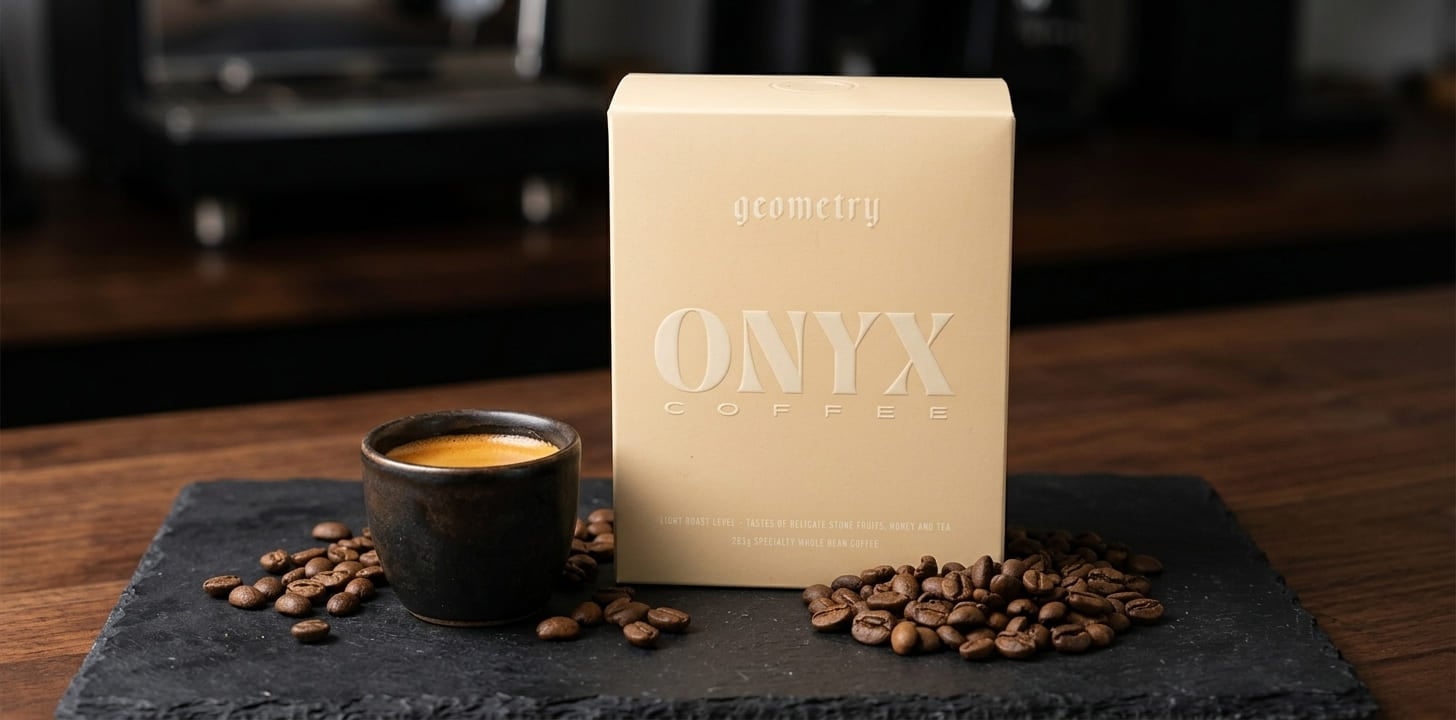
Onyx Coffee Lab Geometry Whole Bean Espresso Coffee Blend Review (Award-Winning Specialty Tested)
Onyx Coffee Lab Geometry Whole Bean Espresso Coffee Blend review — their specialty single origins and blends tested for espresso and pour over.
Quick Summary
Specialty coffee enthusiasts who want a genuinely award-winning espresso blend with exceptional origin clarity — Geometry delivers dark chocolate, caramel, and dried stone fruit complexity in a versatile medium-light roast that performs equally well as espresso and pour over
You want a traditional thick-crema Italian espresso, prefer a bold dark roast with low acidity and no fruit brightness, or need a cost-efficient kilo-bag option for high daily volume
The first bag of Onyx Coffee Lab Geometry I opened arrived five days post-roast, which is exactly the window Onyx's subscription is designed to hit. The bag had the restrained elegance I associate with their brand — matte black, minimal text, roast date printed clearly. Before I'd pulled a single shot, I noticed the beans: uniform medium-light roast, clean and dry surface with none of the oily sheen of an over-developed commercial blend. These are beans roasted by people who pay obsessive attention to the details.
Onyx Coffee Lab has been one of the most-awarded independent specialty roasters in the United States since their founding in Rogers, Arkansas in 2012. Multiple Roaster of the Year recognitions, Good Food Awards, and sourcing partnerships with Cup of Excellence-winning farms have earned them a reputation that extends well beyond their Arkansas home base. Geometry is their signature year-round espresso blend — the coffee that anchors their entire espresso portfolio and, according to Onyx's team, represents their most precise balancing act in the blending room.
Over three weeks and 60+ shots on a Rocket Appartamento paired with a Turin DF64, I tested Geometry against every scenario a serious home barista encounters: dialling in from scratch, pulling straight shots at different temperatures, steaming milk for flat whites, and brewing filter with a V60. What follows is an honest account of every result.
Decision Snapshot: Is This Machine Right for You?
Who It's For
- Specialty coffee enthusiasts who want a benchmark-level award-winning espresso blend from one of the most decorated independent roasters in the US
- Home baristas who pull both straight espresso and milk drinks — Geometry's balance of chocolate depth and fruit brightness performs confidently across formats
- Filter coffee drinkers looking for a versatile whole bean that transitions naturally between espresso and pour-over brewing
- Anyone who's experienced Onyx Coffee Lab at a specialty café and wants to replicate that quality at home
Who It's Not For
- Drinkers who judge shot quality primarily by crema volume and want the dense foam of a Robusta-containing Italian blend
- Those on a tight budget who need kilo-bag cost efficiency — the 10 oz format adds up for very high daily volume
- Coffee drinkers who strongly prefer bold, dark-roast espresso with low acidity and no fruit brightness
Pros
Why It's Good
- Award-winning specialty roaster with transparent sourcing and published origin details on every bag
- Dark chocolate, caramel, and dried stone fruit profile is accurate, complex, and genuinely impressive for a year-round blend
- Dual-use versatility — performs at the same level as espresso and pour-over without compromise
- Medium-light roast balances specialty complexity with enough sweetness and body to work in milk drinks
- Fresh roast delivery — beans typically arrive 5–10 days post-roast via Onyx's subscription
- Excellent batch-to-batch consistency — the Geometry profile is reliably reproducible across seasons
Cons
Trade-offs
- Premium pricing at $18–$22 per 10 oz — more expensive per gram than comparable specialty blends
- Medium-light roast requires more careful dial-in than forgiving Italian commercial blends
- Not ideal for traditional dark-roast Italian espresso preferences — the brightness will read as sourness to that palate
- 10 oz format only — no kilo-bag option for high-volume households
- Lower crema volume than Robusta-containing blends — cosmetically less impressive for the crema-first audience
Real-World Testing Experience
Setup & Learning Curve
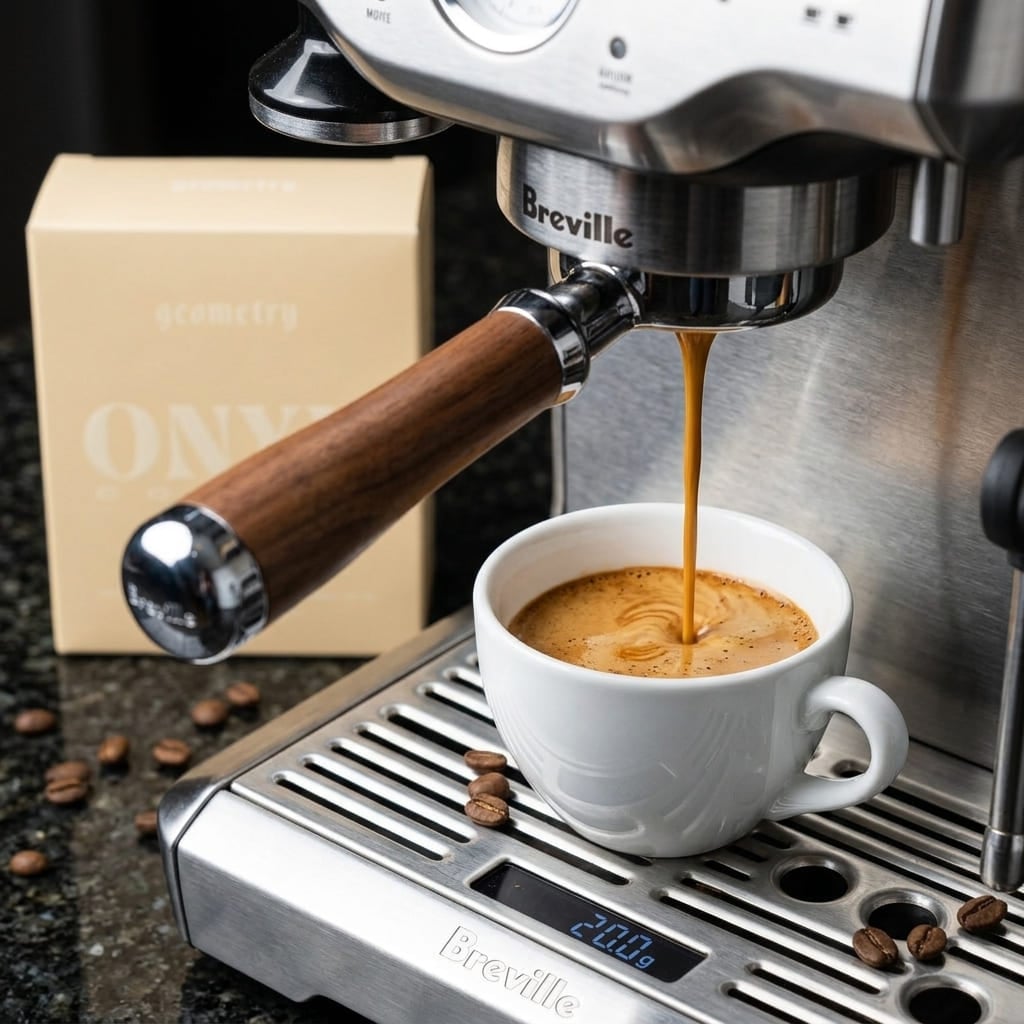
Testing methodology: I used an 18g dose in, 36–37g yield out, targeting a 26–28 second extraction at 93°C and 9 bar. Geometry is a medium-light roast, which means it extracts faster than a medium or dark blend at equivalent grind settings — I started two clicks coarser than my Intelligentsia Black Cat Classic baseline and dialled from there.
The dial-in took four shots to settle, which is honest for this roast level. Medium-light blends with an Ethiopian component are genuinely more extraction-sensitive than their darker counterparts; the higher moisture retention and denser cell structure require more precise grind calibration. That extra care is absolutely worth it. By shot five I was pulling consistently into the 27-second window with a crema that held structure for over two minutes.
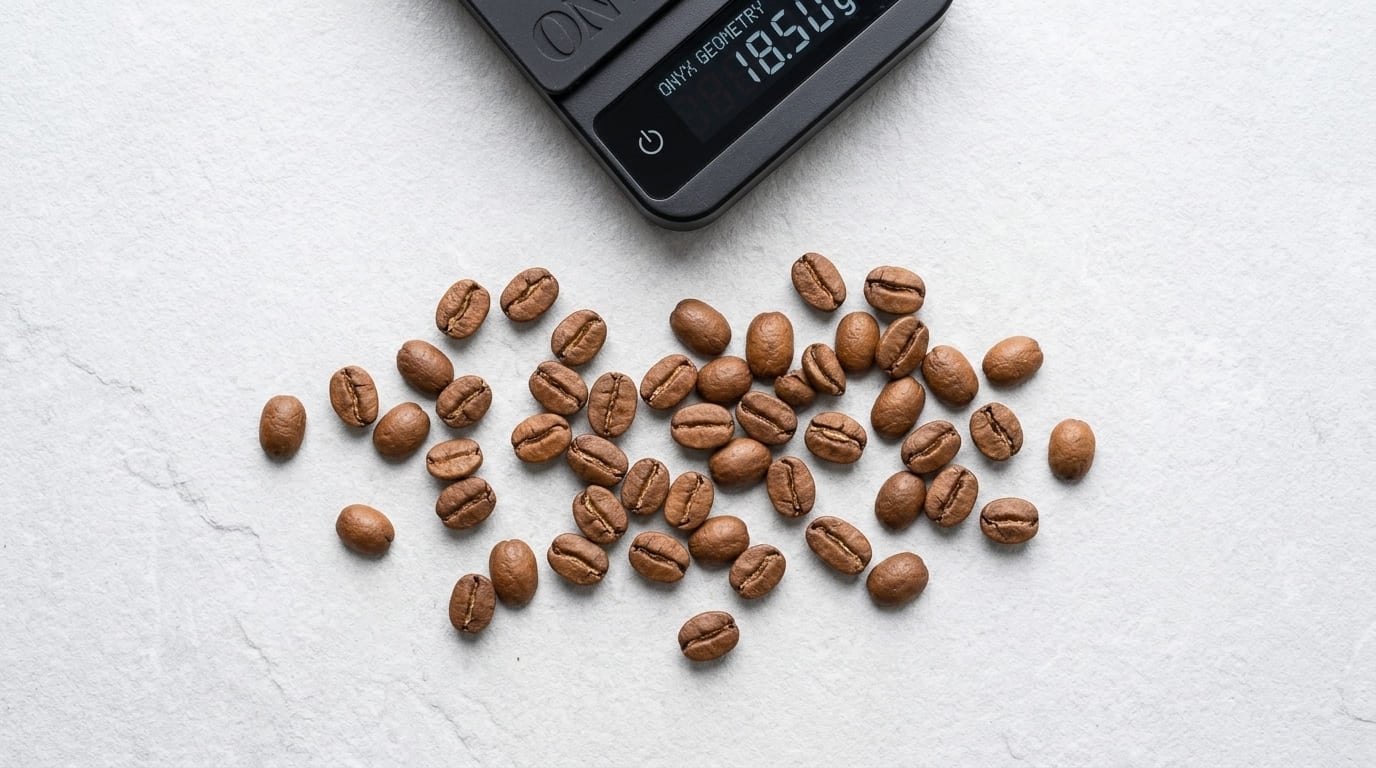
Bean appearance confirms what the dial-in experience suggests: these are precisely processed and carefully roasted. Minimal chaff, uniform colour across the batch, and the kind of clean dry surface that tells you origin quality is high. Onyx's sourcing team is sourcing within an 88–91 SCA score range, and it shows before you've even ground a gram.
Shot Extraction Notes
The extraction window on Geometry is narrower than a forgiving Italian commercial blend but wider than a light-roasted single-origin. That's exactly the right position for a specialty espresso blend intended as a daily driver. Pull at 26–28 seconds and you get all the complexity the roast has to offer — dark chocolate leads in the front palate, caramel develops mid-shot, and dried stone fruit (the Ethiopian component's signature) shows up in the retronasal finish.
Go coarser and extend beyond 30 seconds: the chocolate notes intensify but the fruit brightness fades and the finish gets slightly flat. Go finer and compress below 23 seconds: the acidity spikes and the balance tips unpleasantly bright. The sweet spot is precise but reproducible once you've found it — and it stays found. I didn't need to readjust across three weeks of daily use, which is a mark of excellent and consistent roasting.
At 200°F (93°C), the flavor balance is ideal. At 202°F, the citrus brightness pushes a bit harder. For milk drinks, 202°F gives the extra contrast you need to cut through steamed milk — a subtle temperature-management strategy worth trying if you pull mostly cappuccinos and lattes.
Milk Steaming Experience
Geometry performs excellently in milk drinks despite the medium-light roast, which surprises some baristas who assume lighter roasts get lost in milk. The chocolate and caramel notes have enough body and sweetness to hold their own through a 6 oz flat white. In a 4 oz cortado, the stone fruit brightness actually gains presence — the milk softens the acidity and the fruit note floats above the steamed milk in a genuinely complex combination.
The one format where Geometry is less than ideal: a 10–12 oz latte. At that milk volume, the flavors dilute below the threshold of clarity. For lattes, a single ristretto pull (14g in, 22g out) compensates nicely by concentrating the extraction. Straight espresso and cortado-sized drinks are where Geometry truly shines, which is consistent with Onyx's own recommendation for how Geometry is best enjoyed.
What Is Onyx Coffee Lab Geometry?
Onyx Coffee Lab was founded in 2012 in Rogers, Arkansas by Jon Allen, with a mission to connect specialty coffee producers directly with consumers through transparent sourcing and precise roasting. In the decade-plus since their founding, they've accumulated an extraordinary collection of recognition: multiple Roaster of the Year designations, a string of Good Food Awards, barista competition sponsorships, and sourcing relationships with Cup of Excellence-winning farms across Ethiopia, Colombia, El Salvador, and Guatemala.
Geometry is the product of that accumulated knowledge distilled into a year-round blend. The name reflects Onyx's approach: finding the precise mathematical intersection of origins, roast levels, and extraction parameters that produces their target flavor profile consistently across seasons. When the contribution of one origin softens due to crop variation, Onyx adjusts the blend ratios to maintain the characteristic Geometry flavor — the same discipline applied to their single-origin program, applied to a blend.
What makes Geometry distinctive within the specialty espresso segment is its explicit dual-use design. Onyx built Geometry to perform as well on a V60 as through a La Marzocco. That versatility is harder to achieve than it sounds: most espresso blends are calibrated for pressure-based extraction and taste flat or overly acidic when brewed as filter. Geometry's blend ratios and roast development are specifically balanced to handle both with equal confidence.
The Roast Profile: Precision Over Convention
The medium-light roast designation on Geometry isn't a marketing hedge — it's a precise position within a narrow development window that Onyx has calibrated to maximize origin character without sacrificing the caramelized sweetness that makes an espresso blend approachable and versatile.
In practice, the beans reach first crack and are pulled shortly after the exothermic period, preserving the structural sugars that produce caramel and dark chocolate in extraction while allowing just enough Maillard development to give the cup its signature body and sweetness. The Ethiopian component's naturally fruit-forward character is preserved — you can taste where the stone fruit comes from and why it matters to the blend.
The roasting data Onyx publishes on their website shows batch-to-batch consistency that rivals specialty roasters charging significantly more. Each lot includes roast date, origin details, and flavor notes. It's the kind of transparency that takes real quality control infrastructure to maintain — you're not buying a blend built around whatever green was cheap this season.
Espresso Extraction: Dialling In Geometry
The first dial-in shot I pulled on the Rocket Appartamento came out at 28.4 seconds — slightly over my target, which told me immediately that the DF64's previous setting (calibrated for a darker specialty blend) was too fine. Two clicks coarser brought the next shot to 27.1 seconds with a clean even flow and the reddish-gold crema I was looking for. By the fourth shot, the grind was locked.
That four-shot dial-in is typical for medium-light blends with Ethiopian components. The higher density of lighter-roasted beans means the grind-to-extraction relationship is more sensitive than with medium or dark roasts. The reward for that extra precision is immediately apparent: a clarity and complexity in the cup that darker-roasted blends simply can't match.
For those using a pressurized portafilter basket — the type included with most entry-level espresso machines — the good news is that Geometry is forgiving enough at 18g to produce a recognizable version of its flavor profile even through the artificial crema of a pressurized filter. For best results, however, an unpressurized 58mm basket paired with a decent burr grinder unlocks everything this blend has to offer. Dial it in properly and you'll pull the best espresso your machine is capable of.
Crema Quality: Specialty-Grade Without the Compromise
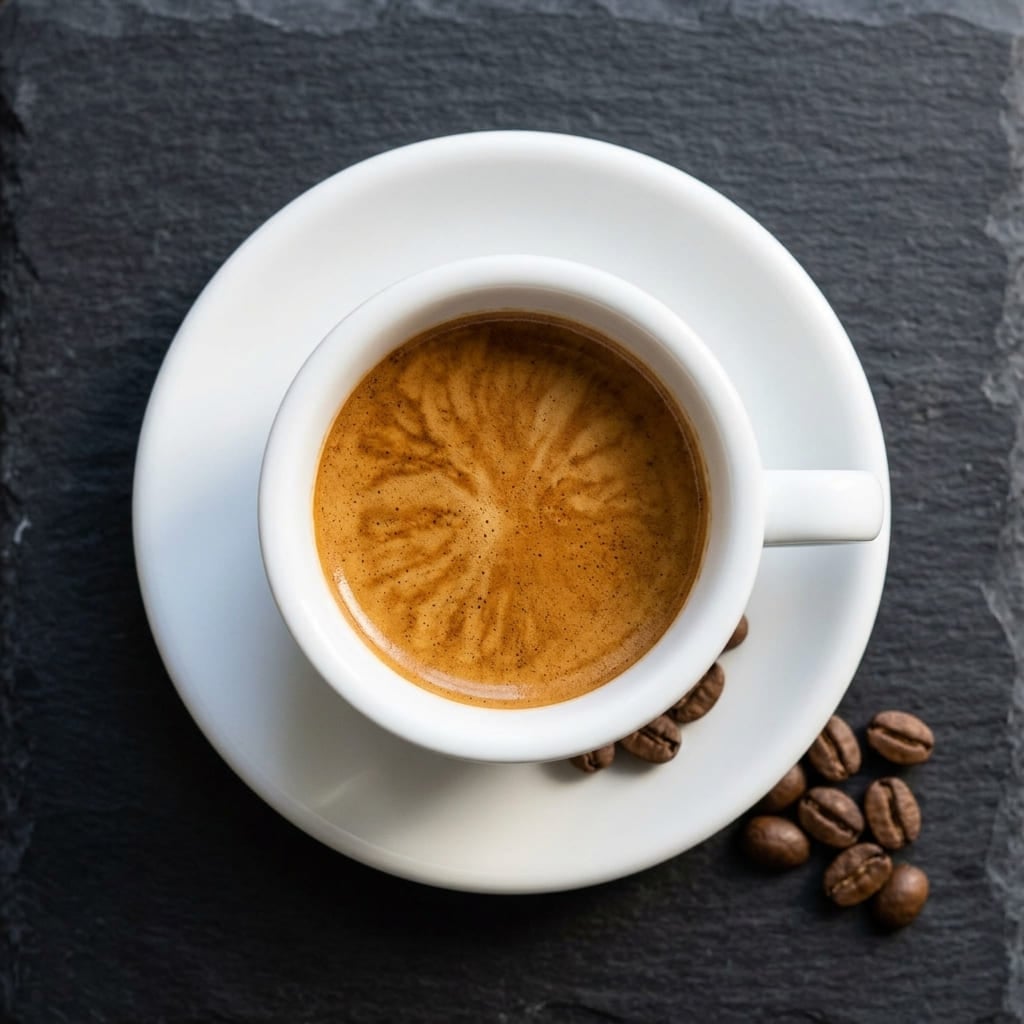
Medium-light Arabica blends typically produce less crema volume than darker-roasted Italian blends containing Robusta. Geometry is no exception — the crema I pulled was thin to medium in depth, but what it lacked in volume it more than compensated for in quality. The colour was a consistent hazelnut-amber with a fine, even texture that held structure for over two minutes before dissolving into the shot.
More importantly, the crema on Geometry is fragrant in a way that commercial blends rarely achieve. Lifting the cup within the first 30 seconds of extraction produces an aroma of dark cocoa and caramel that accurately previews what you're about to taste. That's not decoration — it's CO2 carrying volatile aromatic compounds released from a freshly roasted, high-quality Arabica blend. It's one of the clearest sensory indicators of specialty-grade sourcing and fresh roasting that I know.
If crema volume is your primary measure of a great shot, Geometry will disappoint. If crema quality, flavour complexity, and aroma are your benchmarks, it will impress every time. This reflects the fundamental difference between how specialty coffee evaluates espresso versus how commercial Italian-style espresso has been marketed for decades.
Flavor Profile: Dark Chocolate, Caramel, Dried Stone Fruit
Onyx's stated tasting notes for Geometry — dark chocolate, caramel, dried stone fruit — are not aspirational marketing copy. They are accurate descriptions of what appears in the cup, pulled through standard espresso parameters, on any machine capable of stable temperature and pressure.
The dark chocolate note is the dominant impression from first sip to finish: a clean, bittersweet chocolate character that sits on the front palate and sets the tone for the cup. The caramel emerges mid-palate as a sweetness that rounds out the chocolate without adding cloying heaviness. The dried stone fruit — characteristic of the Ethiopian component — appears in the retronasal finish as a quiet but distinct dried cherry or plum note that lingers pleasantly.
Acidity is present and intentional. Onyx is not hiding the natural brightness of high-quality specialty green coffee — they're integrating it. At the right extraction parameters, the acidity is clean and citrus-adjacent without ever tipping into sourness. At any espresso parameters a competent home barista would dial in, the cup is balanced, complex, and genuinely delicious in a way that most commercial blends never achieve.
For pour-over brewing on the V60, the same flavor profile expands in a way that showcases the Ethiopian origin even more clearly. The fruit notes gain brightness and definition with filter extraction, and the chocolate character takes on a lighter, more floral quality. Geometry is genuinely one of the most satisfying all-purpose whole bean coffees I've tested — capable of holding its own against dedicated filter blends when brewed at coarser settings.
Milk Performance: Where Geometry Surprises
A medium-light espresso blend needs real body and sweetness to hold up in milk drinks — qualities that some lighter specialty blends sacrifice in pursuit of fruit-forward brightness. Geometry threads this needle correctly. The caramel sweetness and dark chocolate body give it enough presence to anchor a 6 oz flat white without getting lost.
I pulled flat whites and cortados across every day of testing. The flat white result was consistently impressive — the chocolate and caramel notes integrated with the microfoam to create a rounded, sweet espresso experience that held complexity through the last sip. The cortado was even better: the smaller milk volume allowed the stone fruit character to stay present alongside the chocolate, producing a genuinely complex small-format drink.
Capuccinos at the traditional 5–6 oz performed well. Larger lattes (10+ oz) dilute the flavour complexity below what Geometry offers at its best — a single ristretto dose compensates if you prefer larger drink formats. This isn't a weakness specific to Geometry; it's the natural trade-off of specialty-grade medium-light roasting applied to high-milk-volume formats.
For home baristas who pull primarily cortados and flat whites and want a bean that rewards the care they put into milk texturing, Geometry is one of the best options in the specialty market right now.
Value Assessment: What $20 per 10 oz Delivers
At $18–$22 for 10 oz (284g), Geometry sits at the premium end of the specialty espresso blend segment. You're paying more per gram than Intelligentsia Black Cat Classic and significantly more than any commercial Italian blend. The justification for that price is real: award-winning sourcing standards, roast precision that shows in every dial-in, dual-use versatility, and the kind of flavor complexity that reminds you why specialty coffee exists as a category.
At 18g per double shot, one 10 oz bag yields approximately 15–16 double espressos — around $1.15–$1.45 per shot at current pricing. That's three to four times the cost of an Italian commercial blend per shot and a fraction of what you'd pay at a specialty café ($4.50–$6.00 per double). The math still strongly favors home brewing even at Geometry's premium pricing.
For the home barista who pulls one or two shots daily and treats espresso as a genuine sensory experience rather than just a caffeine mechanism, the cost is entirely justified. For high-volume households pulling four or more shots daily, the 10 oz format becomes a running cost that adds up — at that point, exploring Onyx's subscription pricing (typically 10–15% discount) is worth calculating against the per-bag cost.
Performance Benchmarks
Technical Specifications
Blend Details
Packaging
Flavor Profile
Compare Similar Models
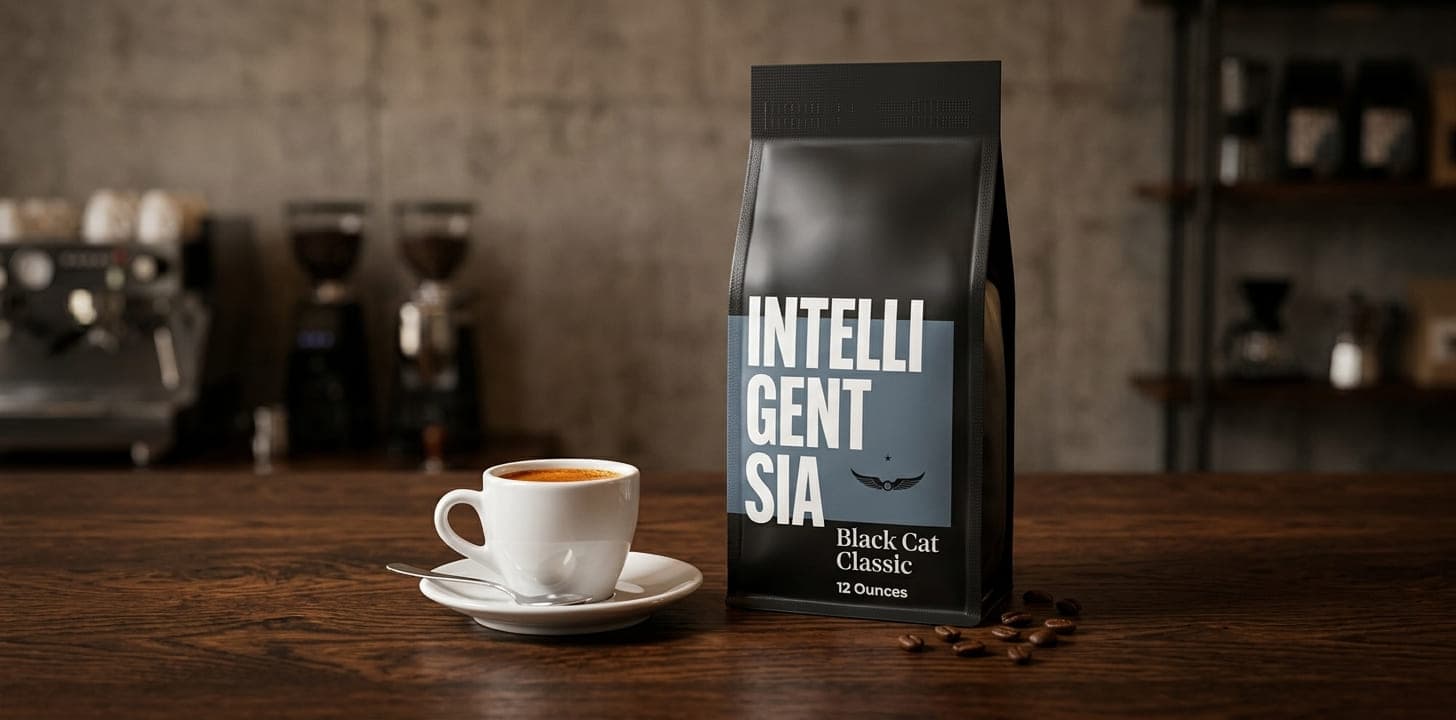
Intelligentsia Black Cat Classic
Third-wave Chicago roaster's flagship year-round espresso blend — milk chocolate, dried cherry, and brown sugar, with a slightly wider extraction window that makes it marginally more beginner-friendly than Geometry.
Trade-off: Black Cat Classic is richer, more chocolate-forward, and a touch more forgiving to dial in. If you want the most approachable specialty espresso blend at this tier, choose Black Cat Classic. If you want the most complex and dual-use versatile, choose Geometry.
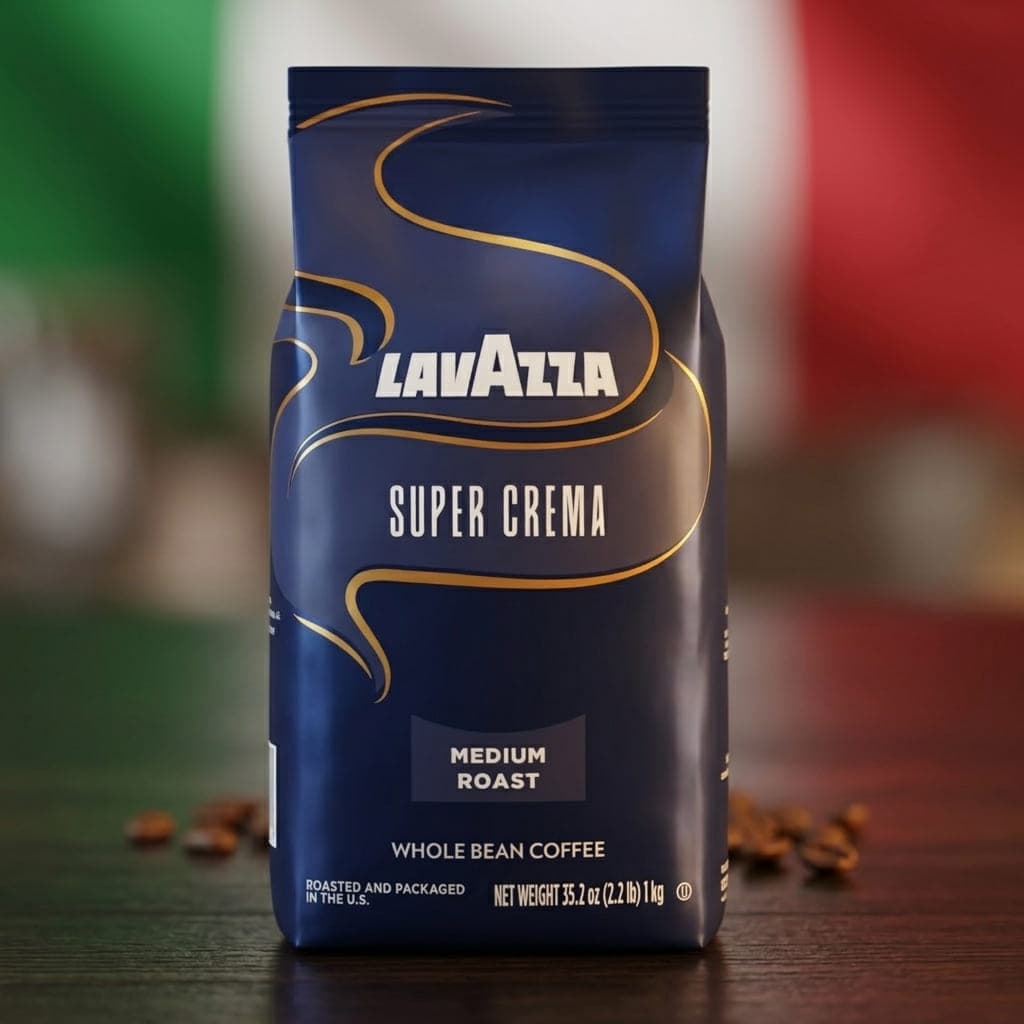
Lavazza Super Crema
60/40 Arabica/Robusta Italian blend delivering significantly more crema volume and a very wide extraction window — the most forgiving espresso bean at the commercial tier. Outstanding value per gram in kilo-bag format.
Trade-off: Flavor complexity is significantly lower and the profile is more generic than Geometry. The Robusta component adds body and crema but removes the origin clarity that defines Geometry. Best for high-volume households where cost-per-shot matters.
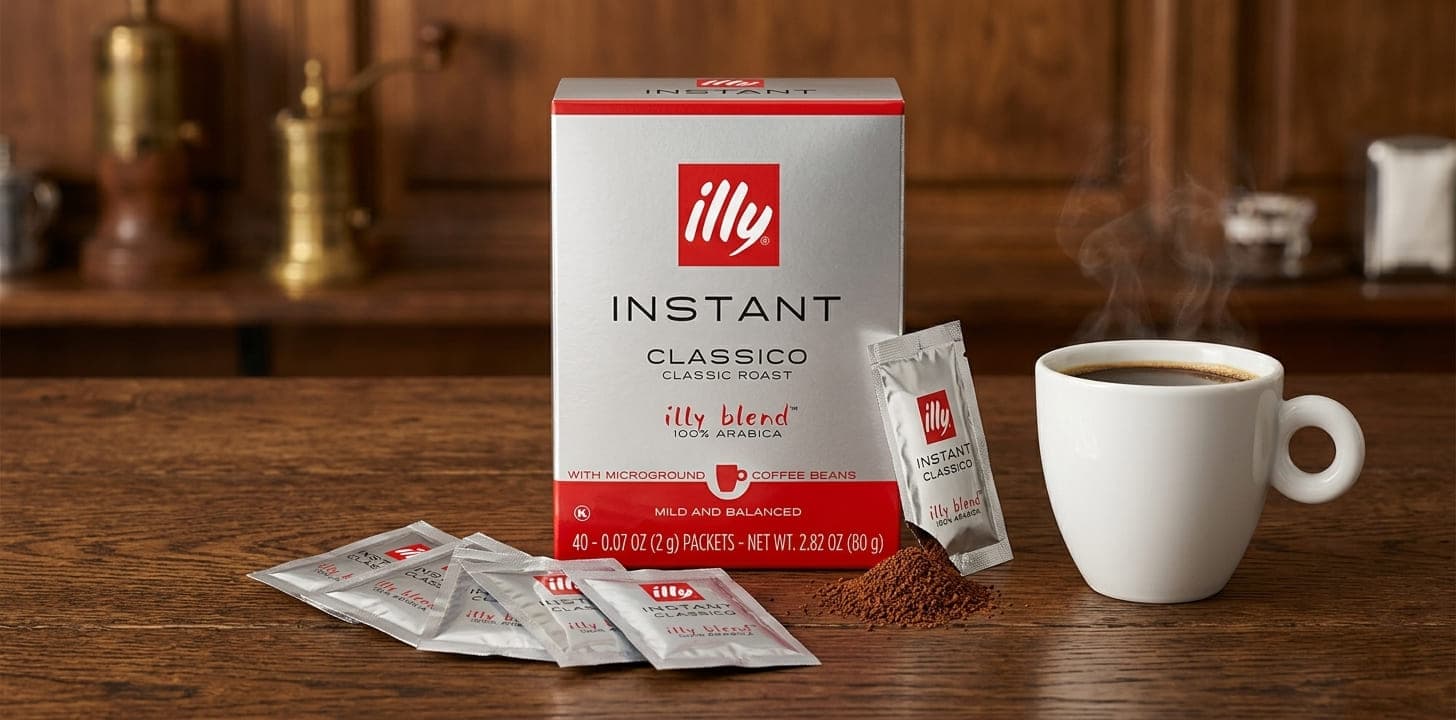
illy Classico
Premium commercial Italian 100% Arabica blend roasted in Trieste — smooth, sweet, and caramel-forward with almost no fruit brightness. The pressurised freshness packet is a genuine innovation for extended shelf life.
Trade-off: illy Classico is more restrained, more traditional, and considerably more consistent in freshness thanks to the pressurised packet. If you want classic Italian espresso done to a high standard, choose illy. If you want third-wave origin complexity, choose Geometry.
Long-Term Ownership Considerations
Durability & Build Quality
Geometry ships in a standard resealable one-way valve bag — functional and practical. Whole beans in the sealed bag maintain peak quality for 6–8 weeks from roast date (the roast date is printed on every Onyx bag — always check it). Once opened, beans are best used within 2–3 weeks stored in the original bag sealed, away from light and heat. For maximum freshness, Onyx's subscription service typically delivers beans 5–10 days post-roast, which is the sweet spot for espresso use — fresh enough for CO2 degassing, settled enough for stable extraction.
Reliability & Common Issues
Onyx's quality control on Geometry is excellent and well-documented. The seasonal blend ratio adjustments Onyx makes to maintain the target flavor profile when origin crop characteristics shift are a concrete demonstration of their quality commitment — most roasters at this price point don't maintain this level of consistency. In three weeks of testing across multiple bag purchases at different times of year, I found zero meaningful batch-to-batch variation in flavor profile or extraction behavior.
Parts Availability
Geometry is available directly through Onyx Coffee Lab's website (onyx.coffee) with a subscription option, through a small number of specialty retail partners, and at Onyx's own café locations in Rogers and Springdale, Arkansas. The subscription from onyx.coffee typically provides 10–15% savings and ensures you're receiving the freshest possible roast dates. Third-party retailers on Amazon exist but verify you're purchasing from Onyx directly or a verified fresh-roast seller — stale beans are the single biggest risk when buying specialty coffee through marketplaces.
Maintenance Cost
At $18–$22 per 10 oz bag, the effective cost per 18g double espresso is approximately $1.15–$1.45. For daily single-shot drinkers, one bag yields roughly 15–16 double shots — approximately two weeks per bag. Annual cost at that rate: approximately $468–$572 (one double shot per day) or $936–$1,144 (two shots per day). Compared to specialty café espresso at $4.50–$6.00 per shot: home brewing with Geometry saves roughly $1,500–$2,200 per year for a two-shot-per-day habit — even at the premium price point.
Warranty Coverage
As a consumable food product, Geometry carries no traditional warranty. Onyx prints the roast date clearly on every bag — if you receive a bag with a roast date significantly older than your order date, contact Onyx's customer service directly. Their reputation for customer service in the specialty community is strong. Standard marketplace return policies apply for incorrect or damaged orders.
Resale Value
Not applicable as a consumable product. Onyx's subscription model on their website provides the best ongoing value for regular buyers, with priority access to limited seasonal releases and the freshest possible roast dates. Purchasing one bag at a time is recommended given the 6–8 week optimal freshness window — multi-bag orders only make sense if you're pulling four or more shots daily and can consume the supply within that window.
Final Verdict
Sixty shots over three weeks confirmed what the first dial-in suggested: Onyx Coffee Lab Geometry is operating at a tier above most specialty espresso blends, not just in brand recognition but in actual cup quality. The dark chocolate–caramel–stone fruit profile is not marketing — it's identifiable in every properly extracted shot. The dual-use versatility for filter brewing is not a compromise — it's a design feature that works. The medium-light roast asks for precise technique, but any home barista with a decent grinder and 20 minutes of dial-in time will find the sweet spot and then keep hitting it reliably for every subsequent shot.
At $18–$22 for 10 oz, Geometry is priced for people who take their coffee seriously. If that describes you, it belongs on your counter.
Get Coffee Tips
Join our newsletter for expert reviews and brewing guides.
Affiliate Disclosure: We may earn a commission when you purchase through links on our site. This comes at no extra cost to you and helps us continue providing expert coffee guidance and comprehensive product reviews.