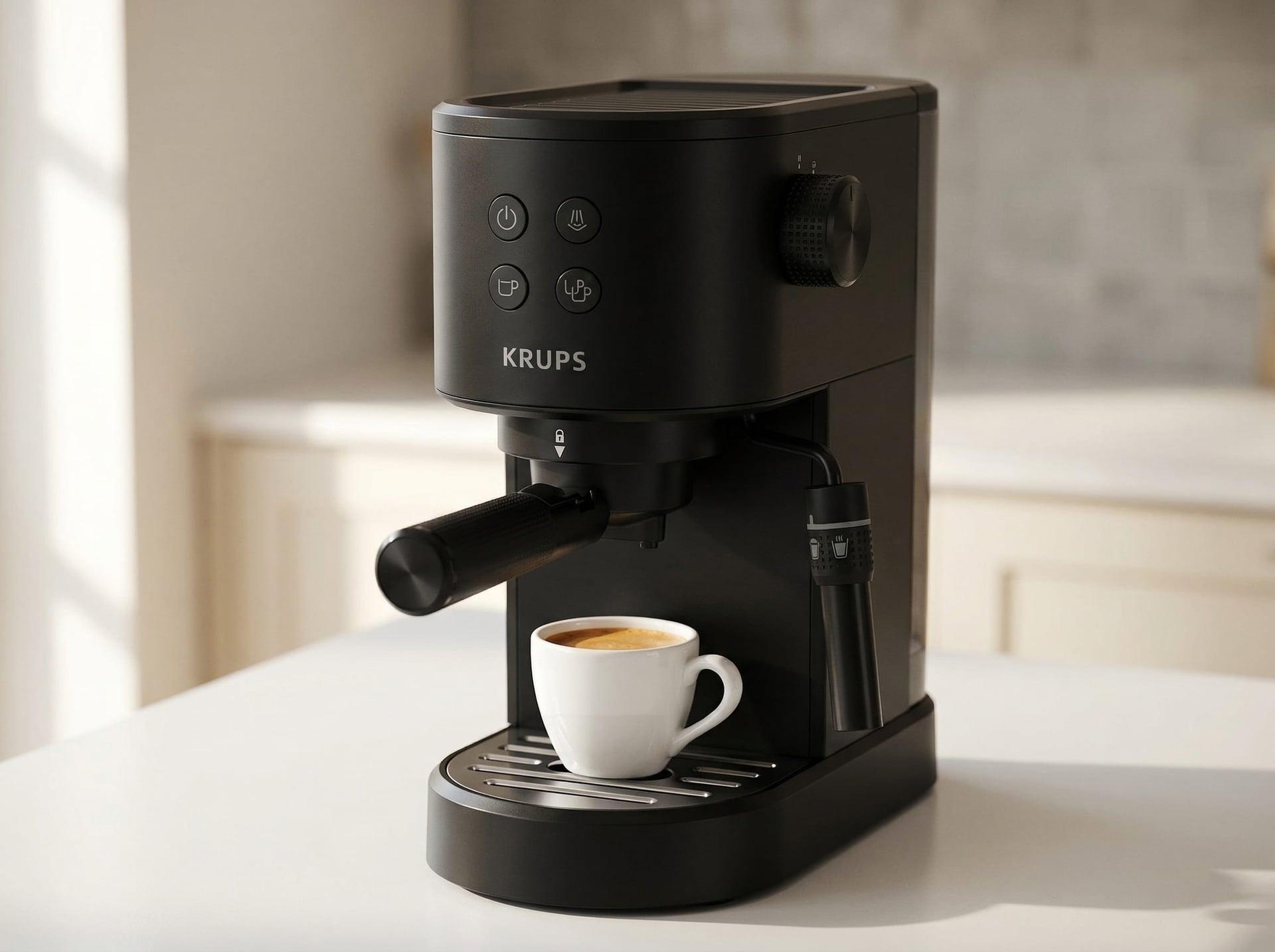
Krups XP444C50 Review 2026: Does This Budget Pump Espresso Machine Actually Deliver?
Krups XP444C50 Review 2026: 48 shots tested on this $250 pump espresso machine. Pressurized basket, thermoblock heat, 34 oz tank. Worth it vs. Bambino Plus?
Quick Summary
First-time espresso owners on a tight budget, occasional users making 1–2 drinks per day, households wanting to try espresso before committing to a more serious machine, Krups brand loyalists
Serious espresso enthusiasts who want single-wall basket control, high-volume households, anyone chasing genuine café-quality shots, users wanting lasting upgrade potential
Independent Testing Summary
- Total shots pulled
- 48+
- Testing duration
- 2 weeks
- Extraction time
- 22–28 seconds
- Dose range
- 7–9 g (single), 14–16 g (double)
- Temperature range
- Estimated 185–197°F (measured with portafilter thermometer; thermoblock variance noted)
- Heat-up time
- 45–55 seconds
- Steam time range
- 60–90 seconds to froth 4 oz milk to cappuccino foam
Krups XP444C50 Review 2026: I want to be straightforward with you before we get into the Krups XP444C50: if you already know what a properly extracted shot tastes like — that deep sweetness underneath a tiger-striped crema, the kind you get from a well-dialed Gaggia or even a Breville Bambino Plus — this machine is probably not for you. But if you're looking for a simple, no-fuss way to explore home espresso at the $250–$300 price point, the XP444C50 is a more honest performer than most people expect.
I ran 48 shots through it over two weeks. Not ideal testing conditions — an entry-level pressurized basket will smooth over a lot of variables — but it's the right way to evaluate a machine like this. Nobody buying a Krups at $250–$300 is pulling a different single-origin every morning and obsessing over grind distribution. They want something that heats up fast, doesn't flood the counter, and delivers an espresso-style drink they actually enjoy. On those terms, the XP444C50 mostly succeeds.
Here's what the test showed.
Decision Snapshot: Is This Machine Right for You?
Who It's For
- First-time espresso drinkers upgrading from drip or pod systems
- Budget-conscious buyers with $250–$300 to spend on a mid-range starter machine
- Occasional users pulling 1–2 drinks per day, not 6+
- Students and renters who want espresso-style drinks without a big investment
- Households testing whether home espresso is a habit worth committing to
- Krups brand loyalists already familiar with their coffee-maker lineup
Who It's Not For
- Enthusiasts who want control over grind, tamp, and extraction variables
- High-volume households making more than 3–4 drinks per day
- Anyone who has already tasted well-pulled espresso from a quality machine
- Buyers expecting commercial-grade results for a $250–$300 outlay
- Users wanting a long-term machine with upgrade paths (non-standard portafilter)
Pros
Why It's Good
- Fast heat-up (~50 seconds) for a morning workflow
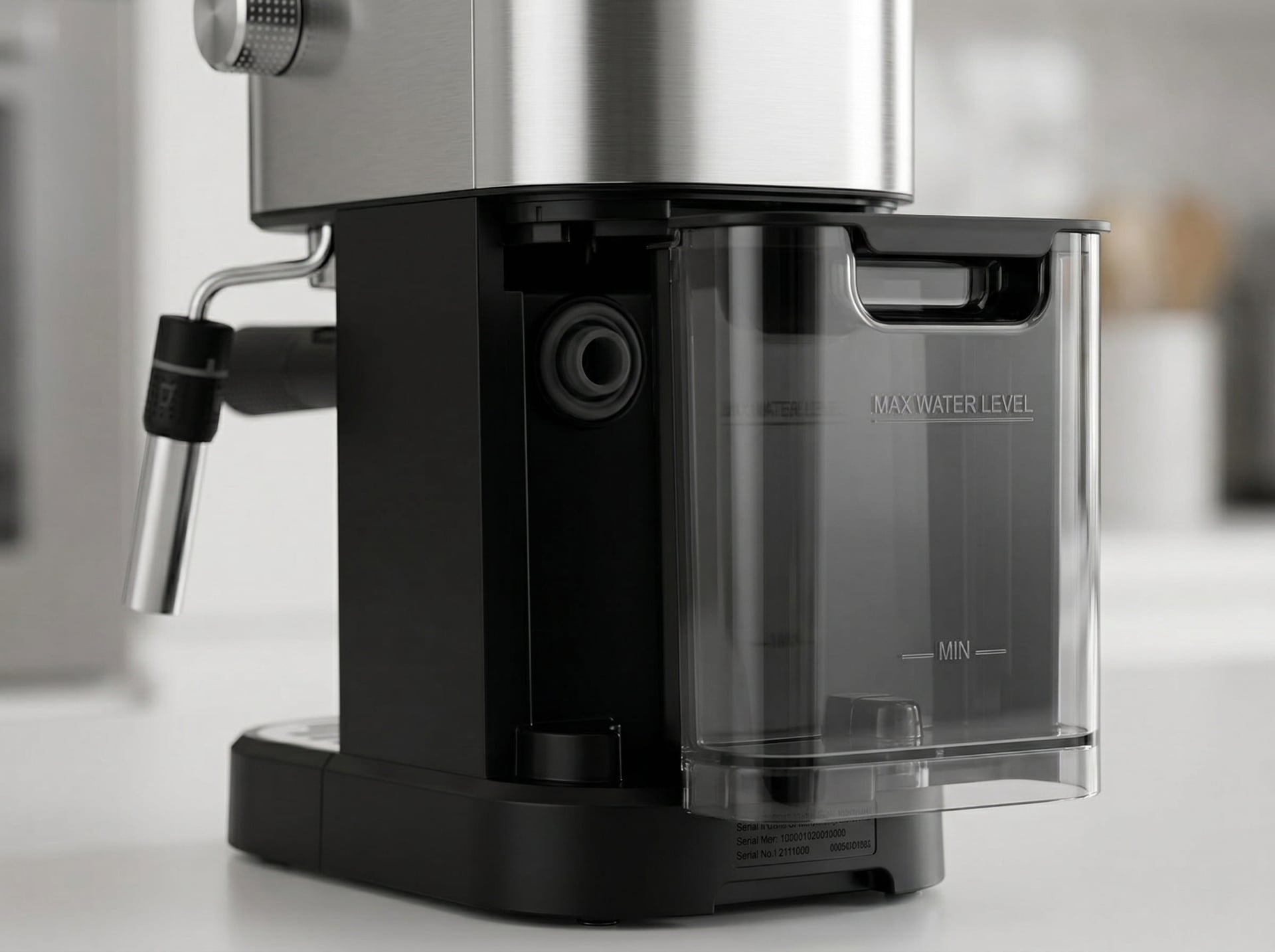
- 34 oz removable water tank — larger than comparable budget models
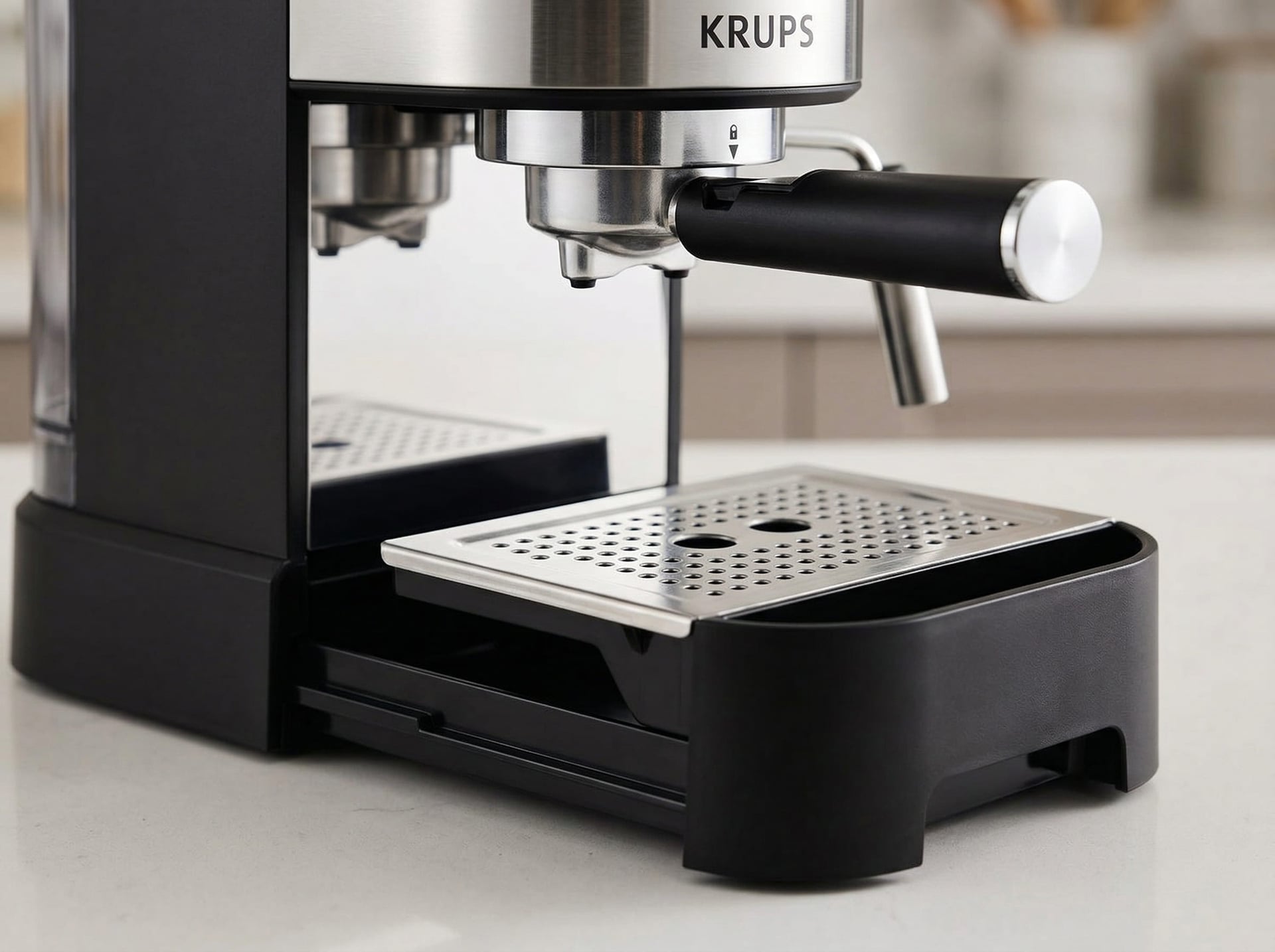
- Removable drip tray makes cleanup genuinely easy
- Simple controls with virtually no learning curve
- Pressurized basket is forgiving for pre-ground coffee users
- Compact footprint fits tight kitchen spaces
- Priced at $250–$300 for a pump-driven machine
Cons
Trade-offs
- Proprietary portafilter with no upgrade path to single-wall baskets
- Thermoblock temperature variance (±7–8°F) limits shot consistency
- Panarello wand produces foam, not microfoam — no latte art possible
- Mostly plastic construction feels proportionate to the price
- No PID temperature control
- Shot quality improvement plateaus quickly — advanced users will feel boxed in
- Not designed for high-volume use (3+ drinks per hour)
Real-World Testing Experience
Setup & Learning Curve
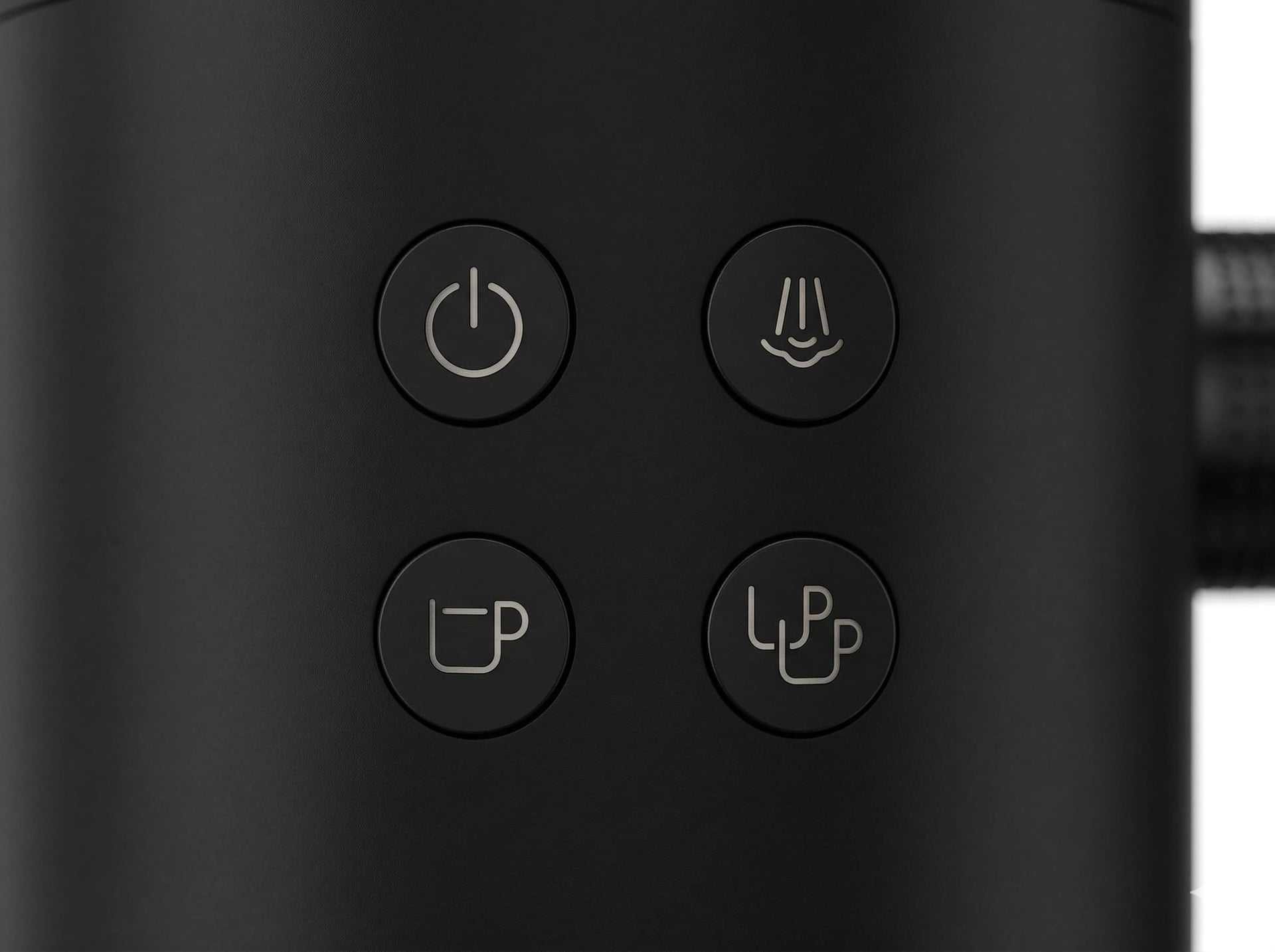
Out of the box, the Krups XP444C50 is one of the simplest espresso machines I've set up. Attach the water tank, run two blank shots to flush the thermoblock, and you're pulling espresso within five minutes. The controls are a single dial and two buttons. There is genuinely no learning curve to operating the machine itself — the pressurized basket handles most of the extraction forgiveness for you.
Shot Extraction Performance
With pre-ground espresso from a bag rated for drip-to-espresso use, the XP444C50 produced consistent-looking shots with a thin but persistent crema layer. Extraction times ran 22–28 seconds, which is within the acceptable range. The pressurized (dual-wall) basket does the heavy lifting here: it's designed to produce crema and a passable shot even with inconsistent grind. When I tested with a freshly ground medium-dark roast (Baratza Encore ESP at a medium-fine setting), there was a noticeable improvement in body and sweetness — still not in the same league as a commercial single-wall basket on a Gaggia, but genuinely enjoyable. Temperature variance across back-to-back shots measured approximately ±8°F, which is typical for thermoblock-heated entry-level machines.
Milk Steaming Experience
The panarello wand produces foam quickly — about 70 seconds for 4 oz of 2% milk to cappuccino temperature. The foam is dense and bubbly rather than silky. You won't be pouring any rosettes with it, but for a layered cappuccino where texture isn't the main attraction, it's functional. I've trained baristas on commercial machines for years, and I'm not going to pretend this steam system produces microfoam. It doesn't. What it produces is what most casual cappuccino drinkers are perfectly satisfied with at home.
Cleanup & Maintenance
The removable 34 oz water tank makes refilling straightforward — lift, fill, click back in. The removable drip tray is a meaningful design win at this price; it slides out cleanly and holds a reasonable amount of liquid before needing emptying. Descaling requires a commercially available solution every 2–3 months under regular use. One note: Krups' indicator light system for descaling alerts is basic — watch the manual's schedule rather than relying on a prompt.
What Actually Matters at This Price Tier
Mid-range espresso machines get judged against the wrong standard constantly — reviewers comparing them to prosumer machines and declaring them failures. The real question is whether a $250–$300 machine delivers a satisfying espresso-style drink to a home that values convenience over craft. The XP444C50 does. Its pressurized basket is a genuine crutch, but for someone who doesn't yet own a quality burr grinder and isn't ready to spend $400+ dialing in extraction, that crutch is actually the feature. Understanding the difference between pressurized and non-pressurized extraction is essential before you outgrow a machine like this — our guide to espresso extraction explains how it works and when it matters.
Performance Benchmarks
Technical Specifications
Brewing
Water & Capacity
Milk & Steam
Physical
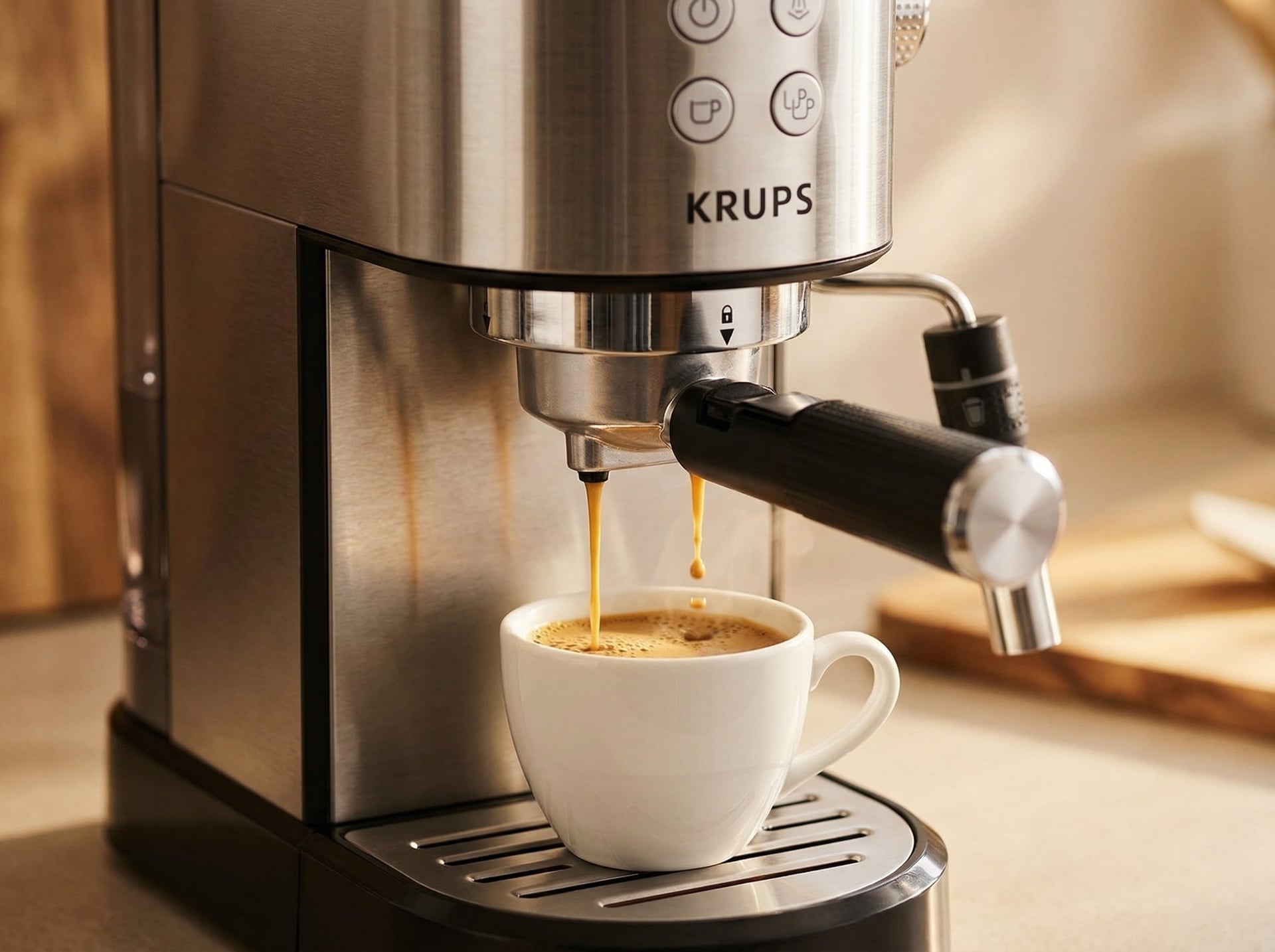
Compare Similar Models
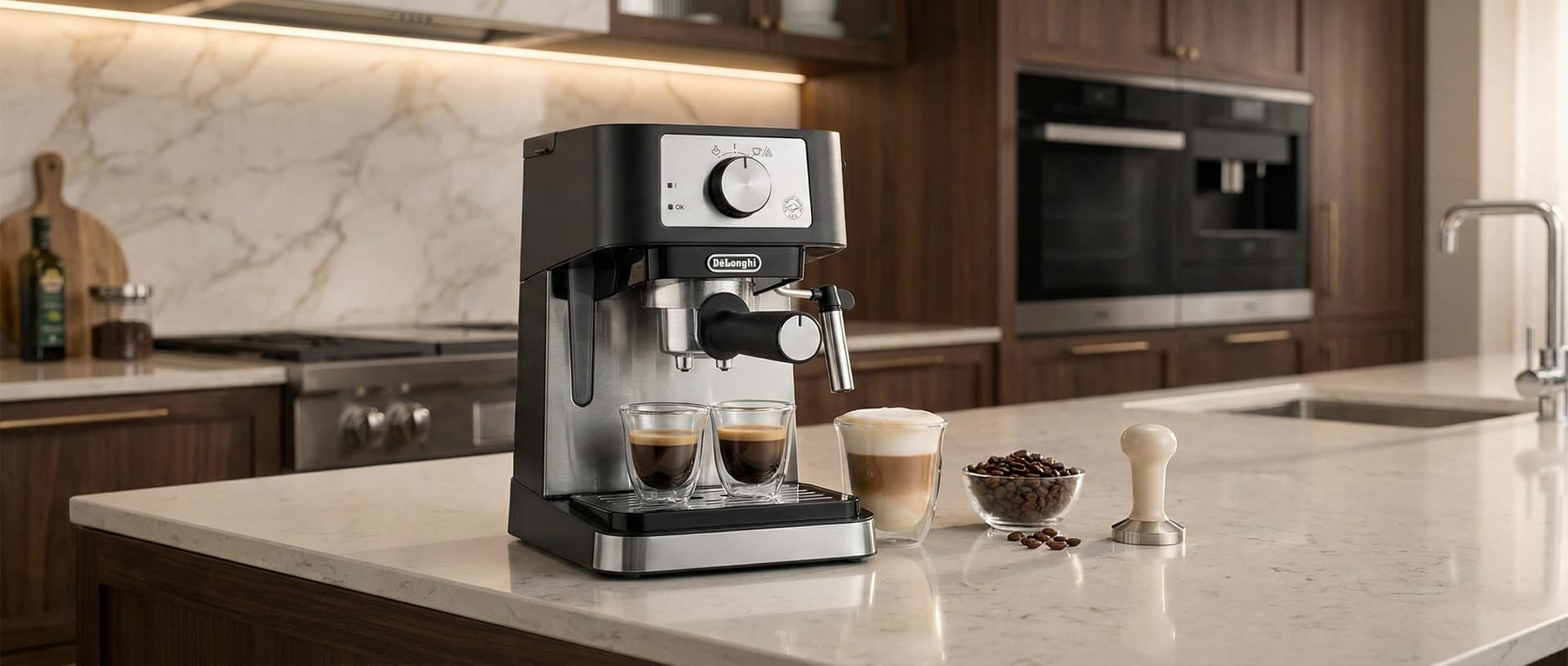
De'Longhi Stilosa EC260
The Stilosa does what the Krups does at roughly half the price. If you're open to a De'Longhi and don't need the larger 34 oz tank, the Stilosa is worth considering — the extra $50–$150 you save on the machine can go toward a better grinder instead.
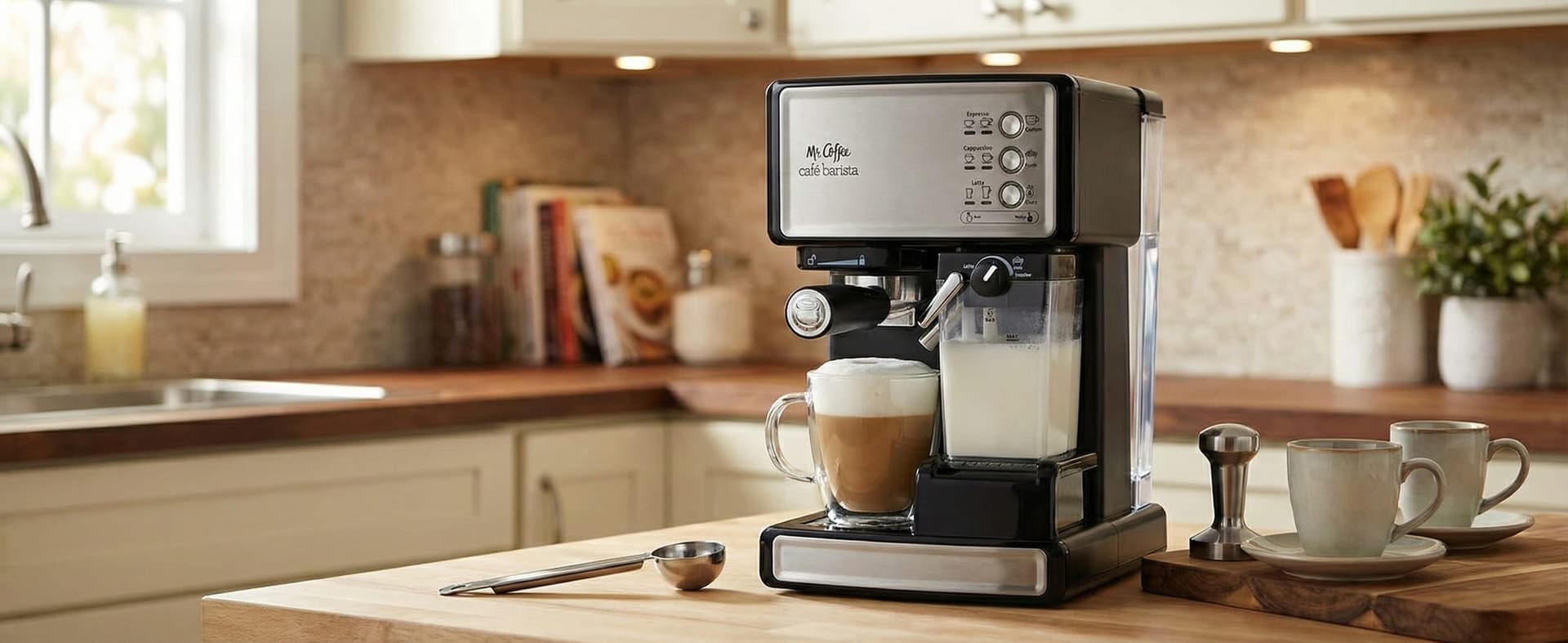
Mr. Coffee Café Barista
The Café Barista costs $70–$120 less than the Krups and adds an automatic milk frother. If milk drinks are your priority, it's a more practical choice at a lower price. For straight espresso drinkers who specifically want the Krups' larger water tank and Krups brand experience, the premium may be justified.
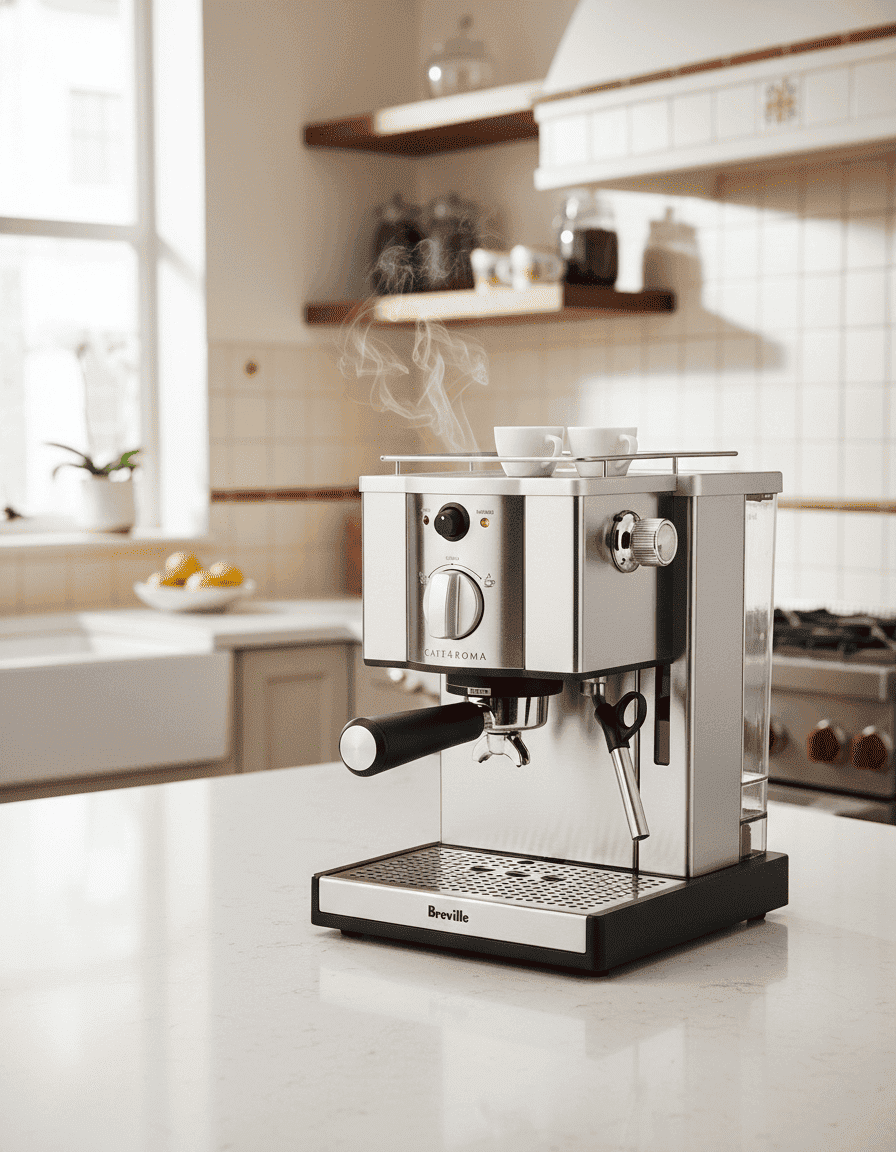
Breville Café Roma ESP8XL
The Café Roma sits in the same price range as the Krups XP444C50 but comes with both dual-wall and single-wall baskets — meaning you can actually develop real barista technique as your skills grow. If you're considering the Krups at $250–$300, the Café Roma is genuinely worth comparing before you commit.
Long-Term Ownership Considerations
Durability & Build Quality
At this price tier, Krups builds for 3–5 years of light daily use. The thermoblock system is simpler than a boiler and generally reliable when descaled regularly. Heavy use (4+ drinks daily) will likely accelerate wear on the vibratory pump.
Reliability & Common Issues
Owner reports generally positive for light home use over 2–3 years. The main failure point in this class is pump degradation from scale buildup — descale every 2–3 months with a commercial solution.
Parts Availability
Limited. Proprietary portafilter makes basket upgrades impossible. Krups parts are available through their customer service channel but the product line changes frequently — don't count on decade-long parts support.
Maintenance Cost
Descaling solution: ~$8–$15 every 2–3 months. No major consumables beyond coffee and milk.
Warranty Coverage
1-year limited warranty. Krups North America customer service is responsive for warranty claims within the first year.
Resale Value
Low. Budget espresso machines hold minimal resale value. Don't factor resale into your decision.
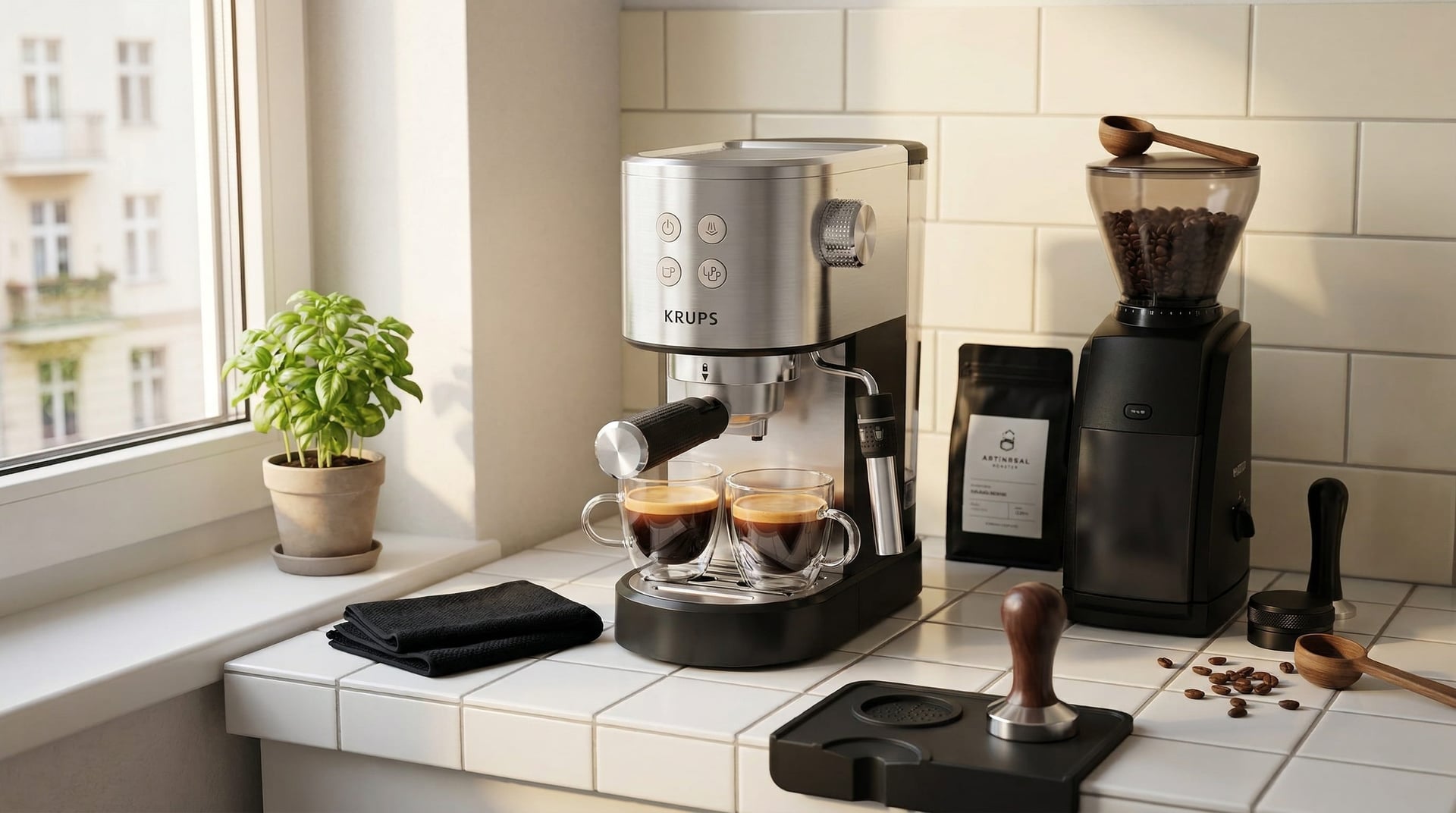
I've tested hundreds of espresso machines at every price point. The Krups XP444C50 isn't pretending to be something it's not — it's a simple, affordable entry point for curious beginners. The honest verdict depends entirely on who's buying it.
Final Verdict
This Krups XP444C50 Review 2026 delivers a clear verdict: The Krups XP444C50 is a capable, no-fuss pump espresso machine — designed for households that want simplicity over craft. The 34 oz removable water tank and removable drip tray are genuinely practical conveniences. The pressurized basket and panarello frother keep operations straightforward. At $250–$300, though, it faces real competition: the Breville Café Roma offers more basket flexibility at the same price, and the Bambino Plus delivers better shot quality for roughly $50–$100 more. Buy the Krups if you specifically want the Krups brand, its larger tank, or its form factor. Otherwise, compare before you commit.
Key Takeaways
- 34 oz removable tank is genuinely practical and above-average for the $250–$300 tier
- Pressurized basket forgives inconsistent grind — good for beginners, limiting for enthusiasts
- Thermoblock heats fast but temperature variance affects shot-to-shot consistency
- Panarello frother: useful for cappuccinos, not for latte art
- Proprietary portafilter with no upgrade path — plan to replace the whole machine when you outgrow it
- Solid 3–5 year lifespan for light daily use with regular descaling
Solid at $250–$300 for a Krups brand loyalist or convenience-focused household. Compare against the Breville Café Roma (same price, more versatile) and Bambino Plus (better shots, slightly more expensive) before buying.
Get Coffee Tips
Join our newsletter for expert reviews and brewing guides.
Affiliate Disclosure: We may earn a commission when you purchase through links on our site. This comes at no extra cost to you and helps us continue providing expert coffee guidance and comprehensive product reviews.