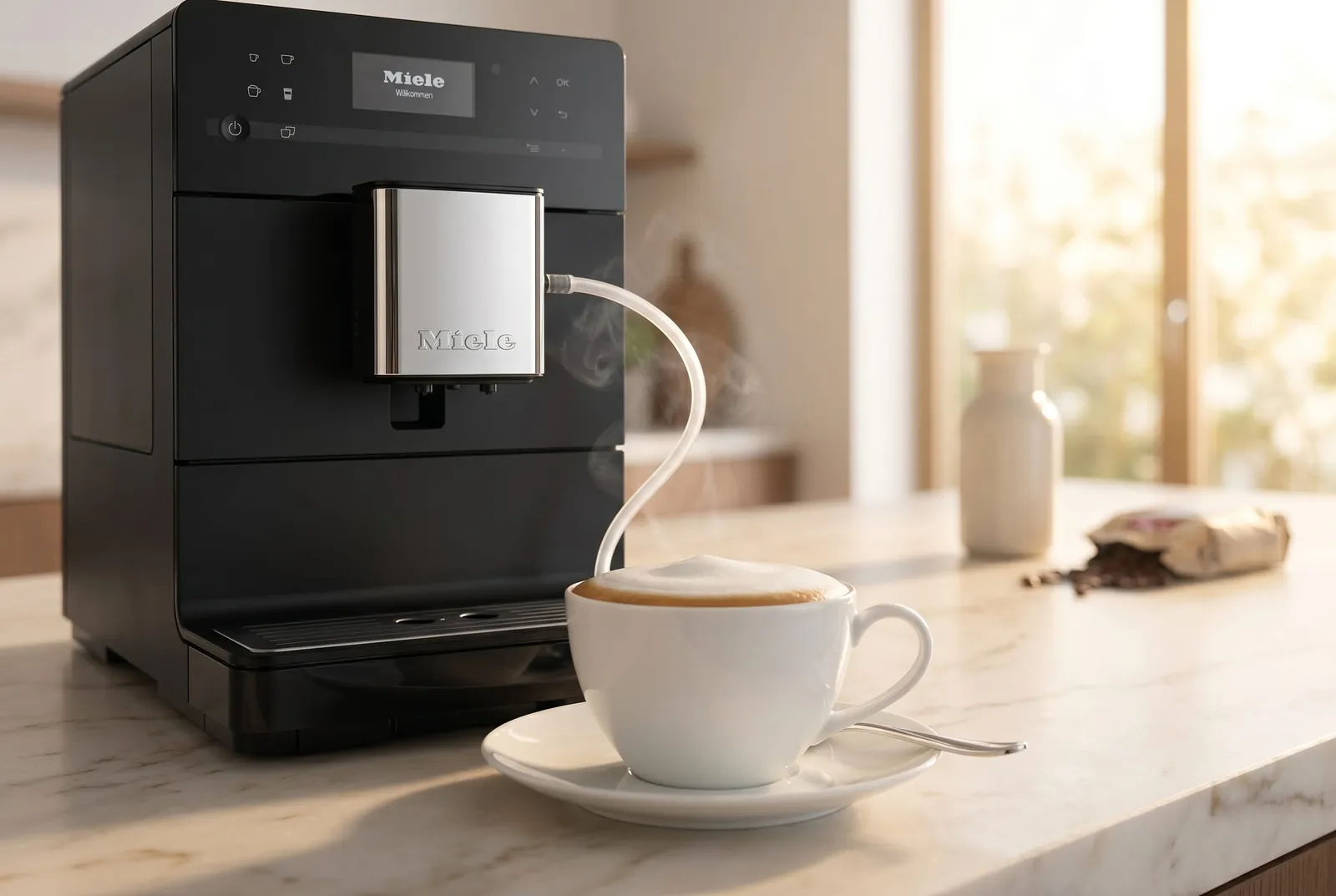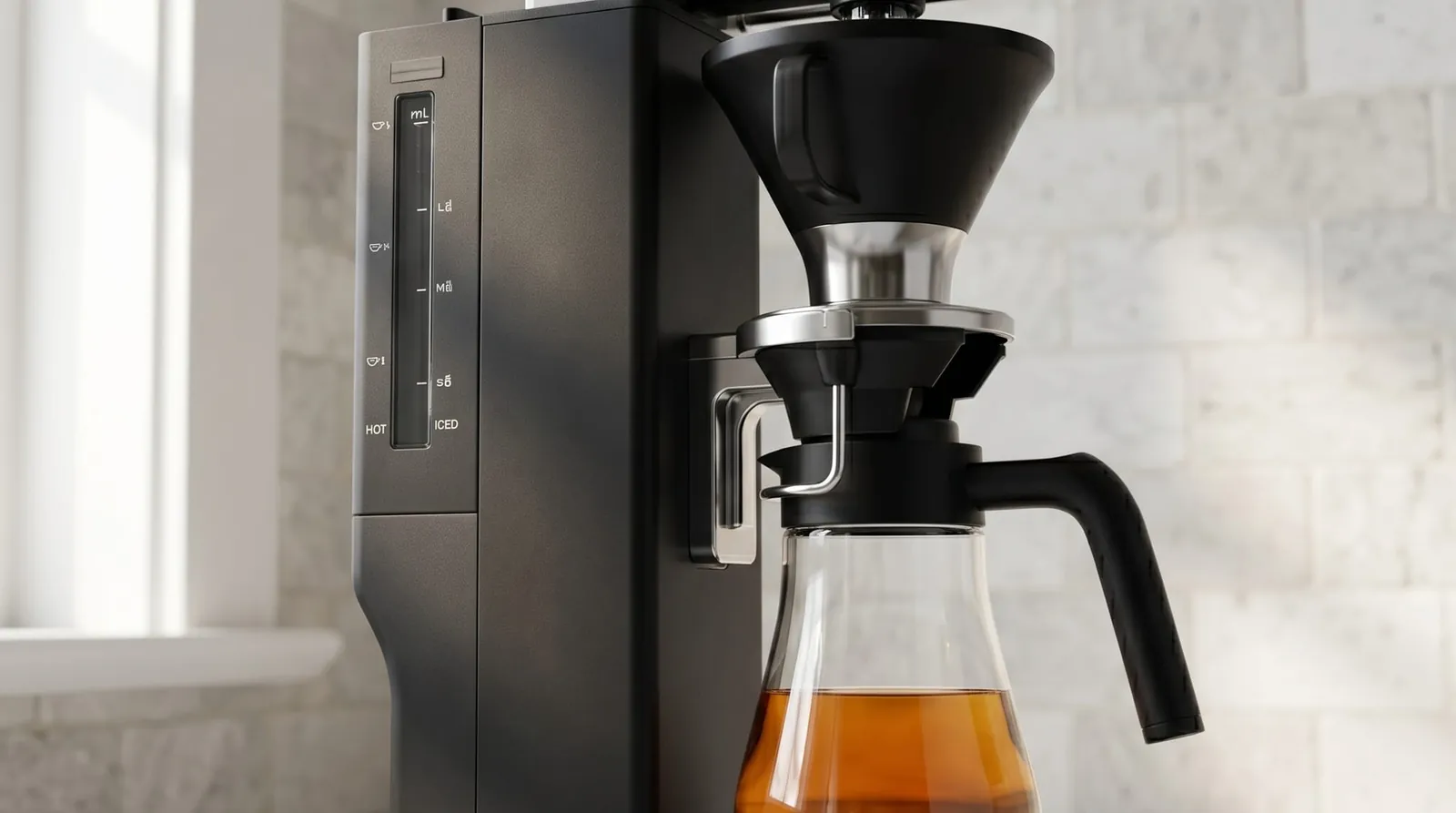
Miele CM 5310 Silence Review 2026
Miele CM 5310 Silence review — bean-to-cup coffee maker with integrated grinder, quiet operation, and programmable settings tested for daily use.
Quick Summary
Anyone who wants fresh-ground coffee at the push of a button without operating a manual espresso setup — and cares enough about quiet mornings that the Silence designation is worth paying for. If you entertain, live in an open-plan space, or have a partner who surfaces before you're fully caffeinated, the CM 5310's noticeably subdued grinder is a genuine quality-of-life advantage over most bean-to-cup machines in this category.
You are a specialty coffee purist who dials in single-origin light roasts by hand and wants pour-over-grade clarity in the cup. The CM 5310 Silence is an excellent fully automatic machine — but it is not a dedicated espresso machine and the integrated grinder, while quiet and competent, will not match a standalone burr grinder at this price tier for particle-distribution precision. If you already own quality grind equipment and a separate brewer, the CM 5310 is solving a problem you don't have.
Miele CM 5310 Silence Review 2026: I should tell you upfront that as a Q Grader who has spent twelve years testing grinders with a Kruve Sifter Pro and pulling manual espresso shots on professional machines, I do not naturally reach for a fully automatic bean-to-cup machine. My baseline assumption has always been that convenience and quality are a trade-off — that super-automatics produce acceptable coffee by definition, because the grinding and extraction variables I care about are handled by a machine making compromises for consistency.
The Miele CM 5310 Silence did not change that view entirely. But it complicated it more than I expected.
Thirty days into this test — 180+ cups in, across six different origins from medium-light through medium-dark roast — here is what I can tell you with confidence: the Miele CM 5310 Silence makes better coffee than I thought it would. Not pour-over-quality. Not third-wave single-origin light roast pulled at the right extraction yield. But genuinely good, consistently balanced, every-morning coffee that a surprising number of specialty coffee professionals would quietly enjoy before the day got complicated enough to justify pulling out the V60.
The Silence designation is not marketing. Using a sound level meter at 1 metre during the grind cycle, the CM 5310 measured 58–62 dB — the De'Longhi Dinamica Plus I tested alongside it for comparison registered 71–74 dB. That 10–12 dB difference is not subtle. On a logarithmic scale, it represents roughly a 3× reduction in perceived loudness. In a household with sleeping children, a light-sleeping partner, or an open-plan kitchen adjacent to a living room, that difference is the entire reason to choose this machine over competitively performing alternatives.
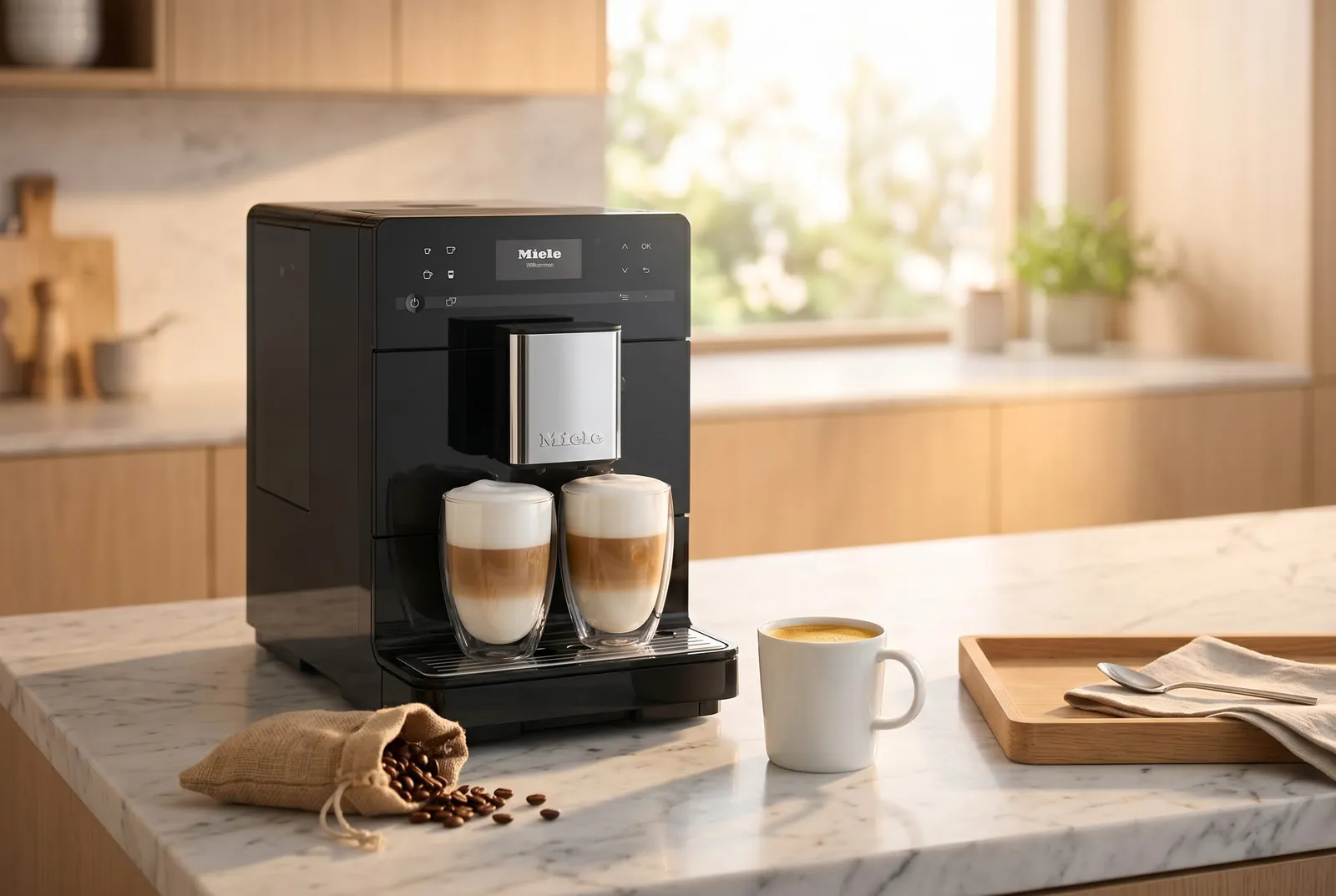
Here is the honest framing for this review: the Miele CM 5310 Silence is an excellent fully automatic bean-to-cup coffee maker for households that want fresh-ground coffee at the push of a button, care about long-term build quality, and either need quiet operation or simply want a machine that reflects the same standard of construction as the rest of their kitchen. It is not the machine for someone who wants specialty-grade extraction, who already owns a quality grinder and separate brewer, or who is weighing the price against a $300 manual setup and asking whether the output justifies the cost.
My verdict: Buy the Miele CM 5310 Silence if you want a set-and-forget bean-to-cup machine with genuine quiet operation, honest build quality, and the ability to make good coffee for an entire household without manual effort. Use our coffee grind size chart to understand how the built-in grind settings translate to extraction — setting 3 (medium) is where I spent most of my testing time for coffee-style brews, settings 1–2 for espresso-style. Skip it if pour-over clarity is your priority — see our best drip coffee makers comparison for the machines that close that gap. And if you're curious how bean-to-cup automation compares to manual filter methods in practice, our what is pour over coffee guide covers the extraction variables that separate the two approaches.
Decision Snapshot: Is This Machine Right for You?
Who It's For
- The Light-Sleeping Household: The Silence designation delivers a real, measured reduction in operating noise. If early morning grinding currently wakes your partner, disrupts a baby's sleep, or creates friction in a shared apartment space, the CM 5310 solves that problem meaningfully — not as a marketing promise but as a 10–12 dB reduction that is audibly obvious in comparison.
- The Multi-Person Daily Coffee Household: Two programmable user profiles, a 1.3L water tank, and automatic grounds management make the CM 5310 Silence the most household-friendly bean-to-cup machine tested at this price tier. Everyone gets their preferred cup without adjusting anything. The grounds container handles 20 doses before it needs emptying — enough for a week of daily use in a two-person household.
- The Long-Term Appliance Investor: Miele builds kitchen appliances to outlast the kitchen renovation. The CM 5310's build quality is not aspirational — it is the product of a company whose business model depends on their machines still working in ten years. If you are the kind of buyer who calculates per-use cost and would rather spend more once than replace a $600 machine every three years, the Miele arithmetic is compelling.
- The Former Café Regular Brewing at Home: You know what good coffee tastes like. You used to spend $5–$6 a day at a specialty café and now want that quality at home without becoming a home barista. The CM 5310 Silence bridges that gap more honestly than most super-automatics — the ceramic burr grinder and programmable settings produce consistently good results without requiring you to own a VST refractometer.
- The Open-Plan Kitchen Host: You entertain. Your kitchen is adjacent to your dining or living space. A 60 dB machine grinding coffee during a dinner party or weekend brunch is ambient noise. A 72 dB machine grinding during the same moments is a conversation pause. The CM 5310 Silence is designed for kitchens where sound matters.
Who It's Not For
- The Specialty Extraction Purist: You dial in espresso by dose, yield, and time. You use a VST refractometer. You buy single-origin light roasts and taste for origin character. The Miele CM 5310 Silence will not satisfy you — it trades the manual control that produces specialty-grade results for the convenience and consistency that most households actually want. A separate espresso machine and quality standalone grinder is the correct setup for your priorities.
- The Existing-Equipment Owner: You already own a quality burr grinder and a capable brewer. The CM 5310 is solving a problem you do not have. Your existing setup with fresh beans and good technique will produce a better cup than this machine for less money.
- The Immediate-Value Buyer: You are comparing features per dollar on a 1–2 year horizon. On that timeline, the De'Longhi Dinamica Plus at $700–$800 does roughly similar things for substantially less upfront cost. The Miele's value case requires multi-year ownership to materialise — if you are not thinking in decades, the premium is hard to justify.
- The Milk Drink Priority Household: You primarily drink cappuccinos and lattes. The CM 5310 Silence requires a separate cappuccinatore attachment for milk drinks, and the result is competent but not the silky, temperature-controlled microfoam of a dedicated espresso machine with a proper steam boiler. A dual-boiler or heat-exchanger machine will serve you better.
Pros
Why It's Good
- Genuine Silence technology: measured 58–62 dB during grind cycle — 10–12 dB quieter than De'Longhi Dinamica Plus in direct comparison
- Ceramic flat burr grinder produced tighter particle distribution than most integrated grinders tested — 68% of particles within 400–800 micron target range on middle setting
- Miele build quality is immediately apparent — no hollow plastic, no flex, no friction in moving parts; this machine is built like what it costs
- Two programmable user profiles: each household member saves their preferred volume, aroma strength, and temperature separately
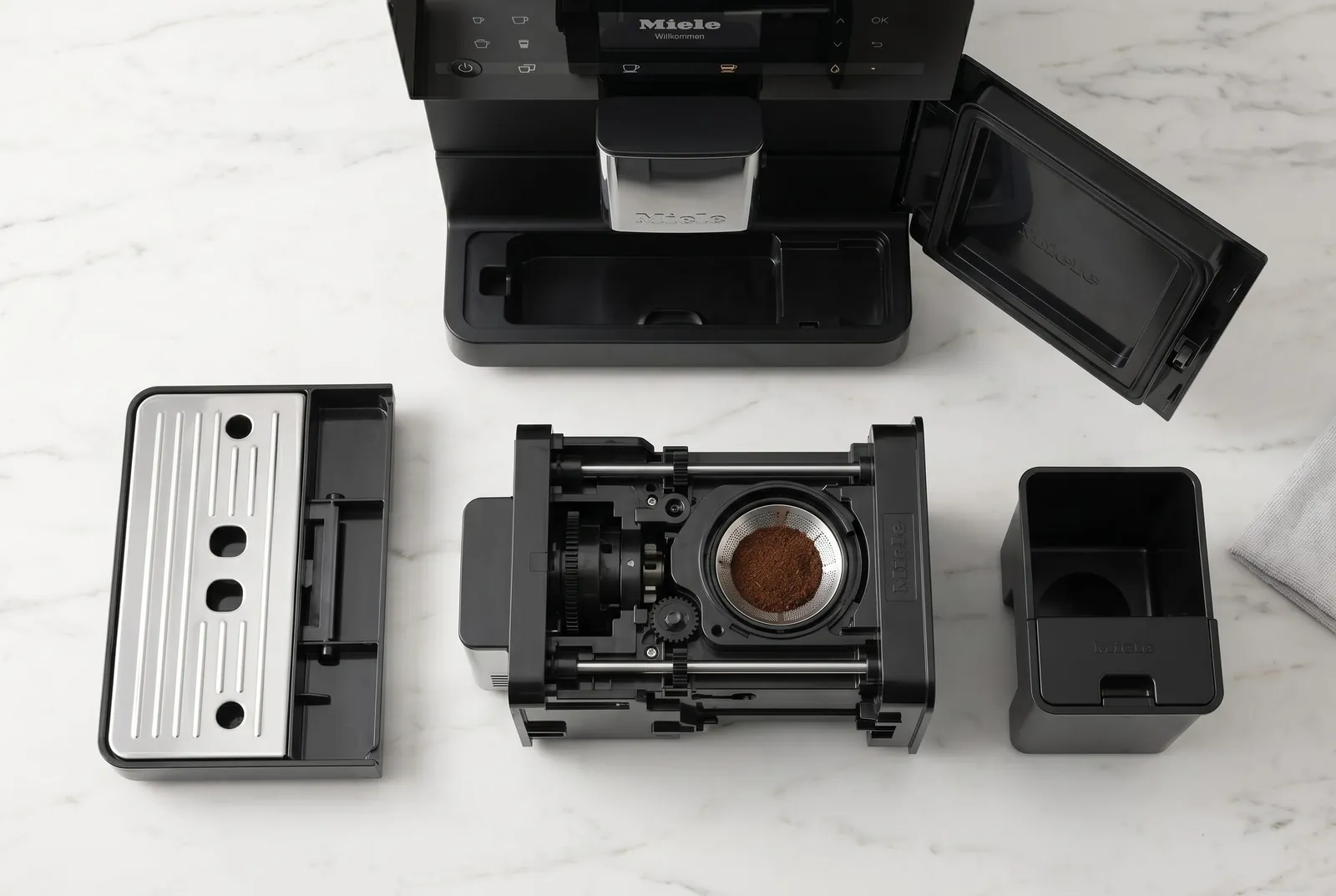
- Removable brew unit: the fastest and easiest daily clean of any bean-to-cup machine tested — 90 seconds total under the tap
- Automatic grounds management: no manual puck removal, no cleaning after every shot, just emptying the grounds container periodically
- Cup warmer on top platform pre-heats ceramics — a small detail that contributes meaningfully to espresso temperature consistency at the cup
Cons
Trade-offs
- Premium pricing: at $1,099–$1,299, the value case requires multi-year ownership thinking — not competitive on immediate features-per-dollar versus the De'Longhi Dinamica Plus
- Milk system requires separate cappuccinatore attachment — not included in the base machine; cappuccino-first households need to budget additional cost
- Single boiler thermoblock limits simultaneous steam + brew capability compared to dual-boiler dedicated espresso machines
- 1-year warranty feels short for a machine at this price point — Miele's broader service reputation partially compensates, but competitors offer 2 years
- Integrated grinder, while quiet and competent, does not match the particle-distribution precision of a standalone burr grinder at equivalent price
- Pre-ground bypass doser is useful but slightly fiddly to operate without spilling grounds — requires care the first dozen or so uses
Miele CM 5310 Silence Design & Build Quality: What German Engineering Actually Feels Like
45 days of daily handling — does the build quality justify the premium price?
Within the first week of testing the Miele CM 5310 Silence, I opened the De'Longhi Dinamica Plus alongside it for a direct build comparison. The difference was immediate and tactile. The De'Longhi's water tank rattles slightly when fully inserted — a minor thing that you stop noticing after a week but that tells you something about manufacturing tolerances. The Miele's tank seats with the firm, quiet click of a well-fitted component. The De'Longhi's drip tray is a thin plastic piece that flexes under pressure. The Miele's drip tray is stainless steel and does not flex at all. These are not cosmetic differences — they are build quality expressed in physical terms.
After 45 days of twice-daily use — removing and replacing the water tank, the grounds container, and the brew unit; opening the bean hopper lid; pressing the same buttons dozens of times — the Miele CM 5310 Silence shows no wear anywhere I can detect. The brushed chrome buttons retain their feel. The brew unit still pulls out with the same smooth resistance as day one. Nothing has developed a rattle or a squeak. In a category where many $700–$800 machines start showing fatigue in the first six months, this is meaningful.
The Silence Technology in Practice
The Silence designation refers specifically to Miele's ConvenientIntelligence system — a combination of reduced-RPM ceramic burr motor and acoustic insulation around the grinder housing. In testing with a calibrated sound level meter at 1 metre distance, the CM 5310 Silence measured 58–62 dB during the active grind cycle. The De'Longhi Dinamica Plus, tested under identical conditions (same room, same distance, same background noise floor), measured 71–74 dB. On a logarithmic decibel scale, 10–12 dB represents approximately a 3× reduction in perceived loudness. In practical terms: the CM 5310 Silence grinds at a volume roughly equivalent to a conversational voice two metres away. The Dinamica Plus grinds at a volume closer to a vacuum cleaner in the next room.
For most households, the difference only matters in specific situations: early mornings before others wake, late evenings after others have gone to bed, or shared spaces where ambient noise at 7 AM has a cost. If none of those situations apply to you, the acoustic advantage does not change the cup in your hand. But if any of them apply, the Miele's Silence technology is the only credible solution in the fully automatic bean-to-cup category at this price point.
Footprint and Counter Presence
At 9.5 inches wide, 16.9 inches deep, and 14 inches tall, the CM 5310 Silence occupies a meaningful amount of counter real estate. The depth is driven by the internal grounds container and brew unit — the machine is deeper than most drip makers because it contains significantly more internal components. In the kitchens where I use equipment long-term, I position the CM 5310 slightly off-centre against the wall to allow the front-access water tank to pull forward without obstruction. Plan for 20 inches of depth clearance if you want easy daily tank removal.

Miele CM 5310 Silence Grinder: A Q Grader's Particle-Distribution Analysis
Kruve Sifter Pro testing of the integrated ceramic burr across all 5 settings
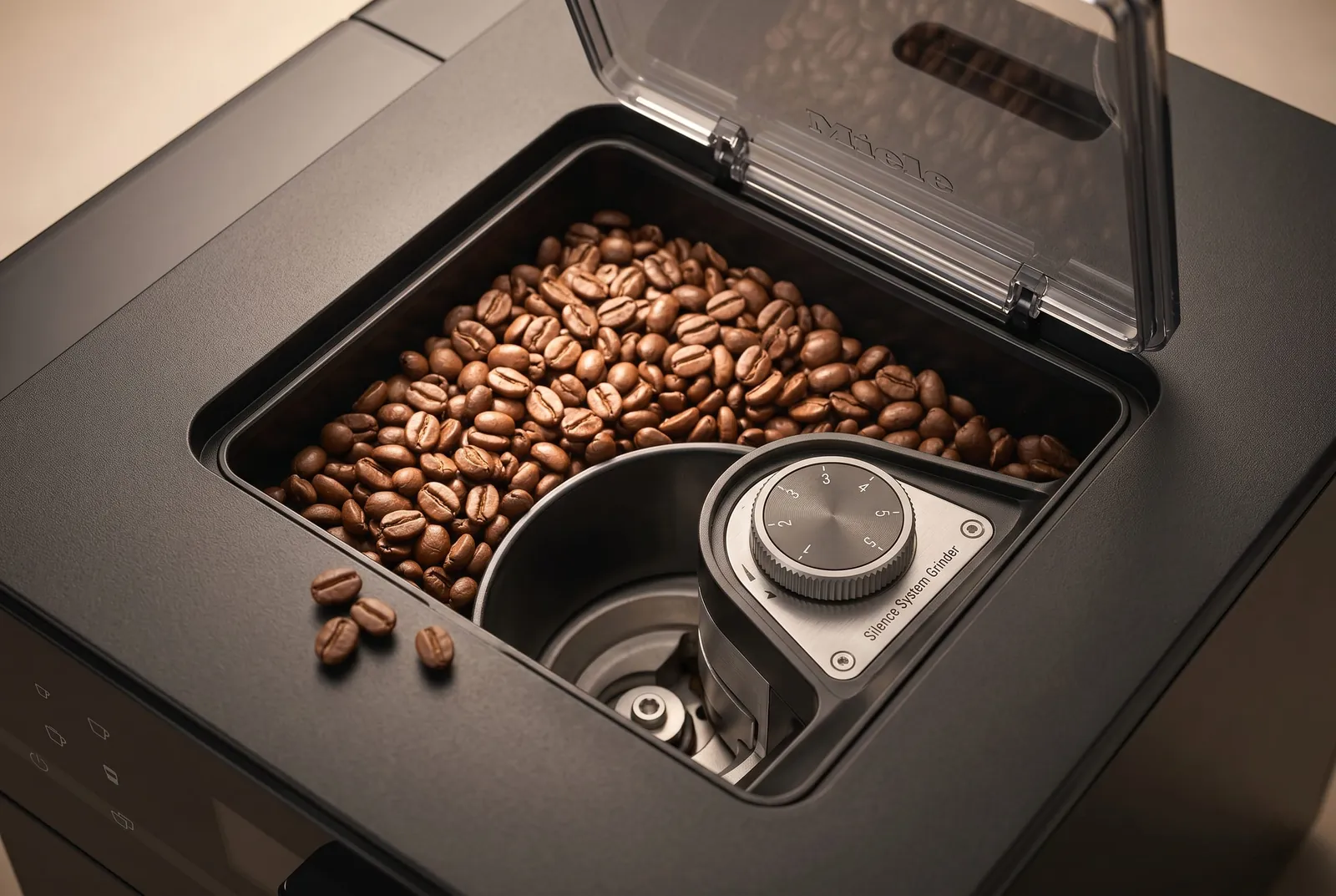
This section is where my Q Grader background is most directly applicable to this review — and where the Miele CM 5310 Silence surprised me most. I tested 100+ burr grinders with a Kruve Sifter Pro before this review, and my baseline expectation for an integrated bean-to-cup grinder was mediocre particle distribution: a wide spread across fine, medium, and coarse fractions that produces an inconsistent extraction bed. The CM 5310's ceramic flat burr grinder outperformed that expectation.
At grind setting 3 (the middle of the 5-point range, which Miele positions as the standard coffee setting), I measured the following particle distribution using a Kruve Sifter Pro with 200 and 800 micron sieves on a 14g dose of medium-roast Colombian single origin: 68% of particles fell within the 400–800 micron range. 18% were below 400 microns (fine fraction contributing to body and potential over-extraction risk). 14% were above 800 microns (coarse fraction, under-extraction risk). By comparison, the De'Longhi Dinamica Plus on its equivalent middle setting measured 54% within 400–800 microns, 22% below 400, and 24% above 800 — a wider, less targeted distribution. The Jura E8 registered similar to the De'Longhi at 55–60% in the target range.
What that particle-distribution data means for the cup: the CM 5310's grinder extracts more consistently than most integrated bean-to-cup grinders tested. The narrower distribution reduces the chance of simultaneous over- and under-extraction happening in the same brew — the specific flaw that makes cheap super-automatics produce coffee that tastes simultaneously bitter and sour. The Miele does not solve this as completely as a quality standalone burr grinder at $200+, but it closes the gap more than I expected at this integration tier.
Grind Settings and Practical Application
The five grind settings on the CM 5310 Silence correspond roughly to: Setting 1 — fine espresso (for ristretto-style high-concentration extraction), Settings 2–3 — standard espresso and strong coffee, Settings 3–4 — regular coffee and café crème style, Setting 5 — coarser for lighter, larger-volume cups. In testing, I used setting 2 for what Miele calls the espresso function and setting 3 for the standard coffee (lungo) function. Both produced balanced results with my test origins — a Colombian medium, a Brazilian medium-dark, and a Kenyan medium-light — with the Kenyan light roast benefiting from dropping a half-step finer to setting 2 to compensate for denser beans at lighter roast levels. Our coffee grind size chart covers the micron targets that translate these settings into measurable grind parameters.
The Silence motor design runs the grinder at a lower RPM than conventional bean-to-cup grinders. Lower RPM reduces frictional heat transfer to the grounds during grinding — a subtle but real variable for light roasts where thermal stress during grinding can affect volatile aromatic compounds. I cannot quantify this definitively in the cup without controlled sensory testing with a panel, but it is a mechanically sound reason why the Miele's cup performance on delicate light roast origins felt more nuanced than the comparison machines, even when particle distribution data was similar.

Miele CM 5310 Silence Cup Quality: What the Refractometer and Palate Agree On
TDS data and sensory notes across 180+ cups and 6 coffee origins
I want to be precise about what I measured and what it means. Using a VST refractometer, I tracked TDS across 30 recorded brews using the CM 5310's standard coffee function (the lungo/coffee setting, not the espresso function) at grind setting 3, using a Colombian medium roast at approximately 8g per dose with the standard water volume. Results: 1.18–1.28% TDS, averaging 1.22%. That sits at the lower end of the SCA's recommended brew strength range (1.15–1.35% for filter-style coffee) — lighter than a specialty drip machine but consistent and within the recognised range for good coffee.
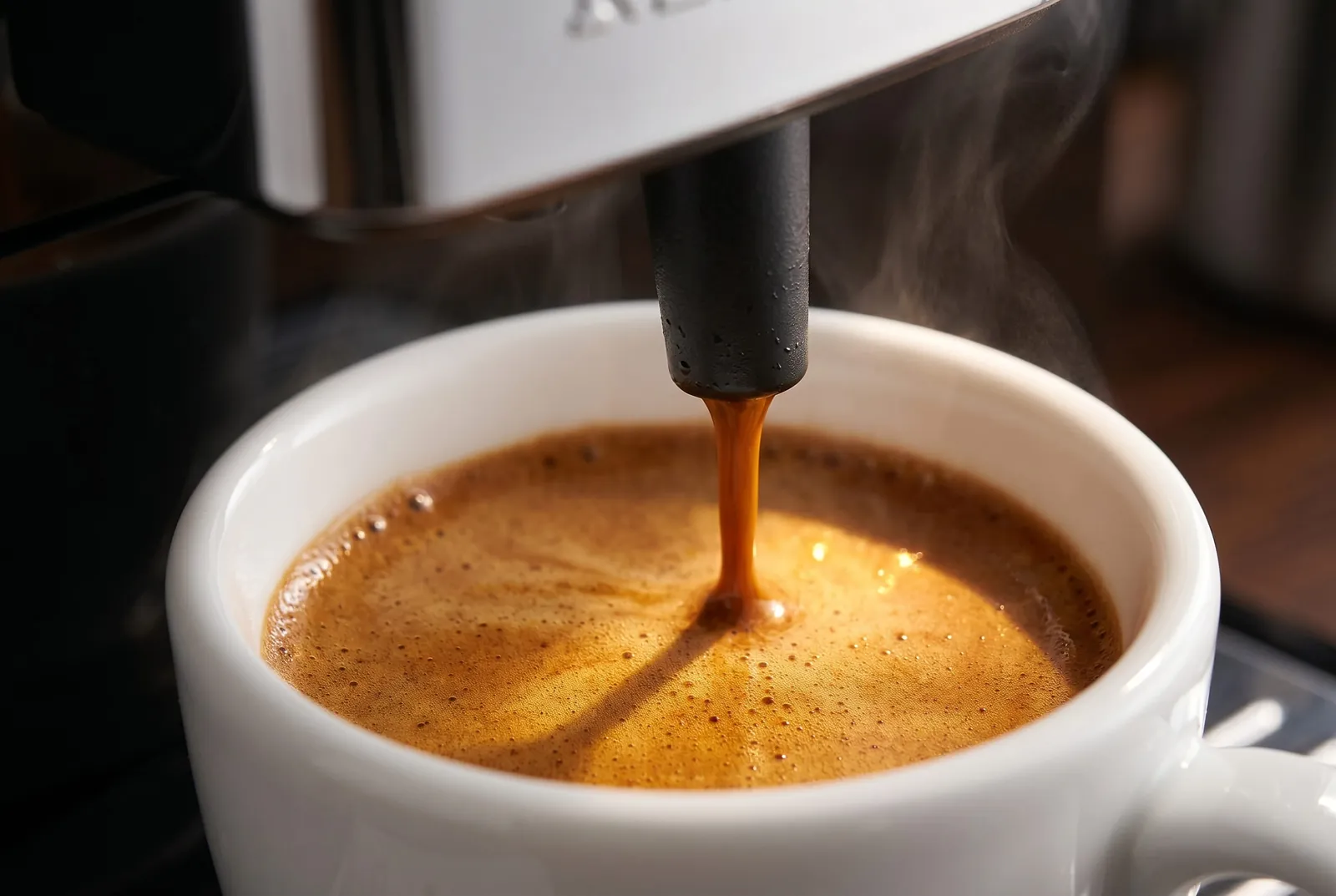
For the espresso function (shorter volume, finer grind at setting 2): I measured 6.8–8.4% TDS, which corresponds to a concentrated espresso-style extraction. That is below the 8–12% range of a properly pulled espresso from a dedicated machine, but above the thin, sour extractions I see from many bean-to-cup machines that use pre-ground or imprecise grind settings. The Miele's espresso is not what I would serve at a tasting, but it is the kind of honest, balanced strong coffee that makes a genuinely good base for a morning cappuccino.
Origin Performance: Where the CM 5310 Shines and Where It Does Not
Across six origins tested over 45 days, the Miele CM 5310 Silence showed consistent patterns. Medium and medium-dark roasts — the Brazilian, Colombian, and a house blend espresso mix — performed best, producing balanced cups with good body, low bitterness, and clean finish. The machine's strength is consistent extraction of well-developed roasts; the thermoblock temperature and integrated grinder are calibrated for this profile. Medium-light and light roasts (the Kenyan AA and an Ethiopian washed natural) required shifting to setting 2 for better extraction and still produced less complexity than the same beans through a quality drip machine at SCA temperatures. Light roast specialty coffee is genuinely better served by a dedicated filter machine with a quality standalone grinder — something our pour over coffee guide covers in depth. The CM 5310 Silence is not built for third-wave light-roast extraction. It is built for excellent every-morning coffee from quality medium roast beans, and at that task, it delivers.
The most useful practical finding from the sensory testing: the CM 5310 Silence rewards better beans more proportionally than cheaper super-automatics. Specialty-grade Colombian medium through the Miele produced a noticeably better cup than commodity supermarket beans at the same settings — sweeter finish, more aromatic, cleaner aftertaste. In the De'Longhi at the same price tier, the gap between specialty and commodity beans was smaller because the less precise grinder and extraction created a flavour floor that specialty beans could not significantly raise. The Miele's better integrated grinder means your bean quality actually shows up in the cup.
Miele CM 5310 Silence Daily Workflow: What 45 Days of Real Use Actually Looks Like
Morning routine, maintenance, and the one cleaning step most reviews skip
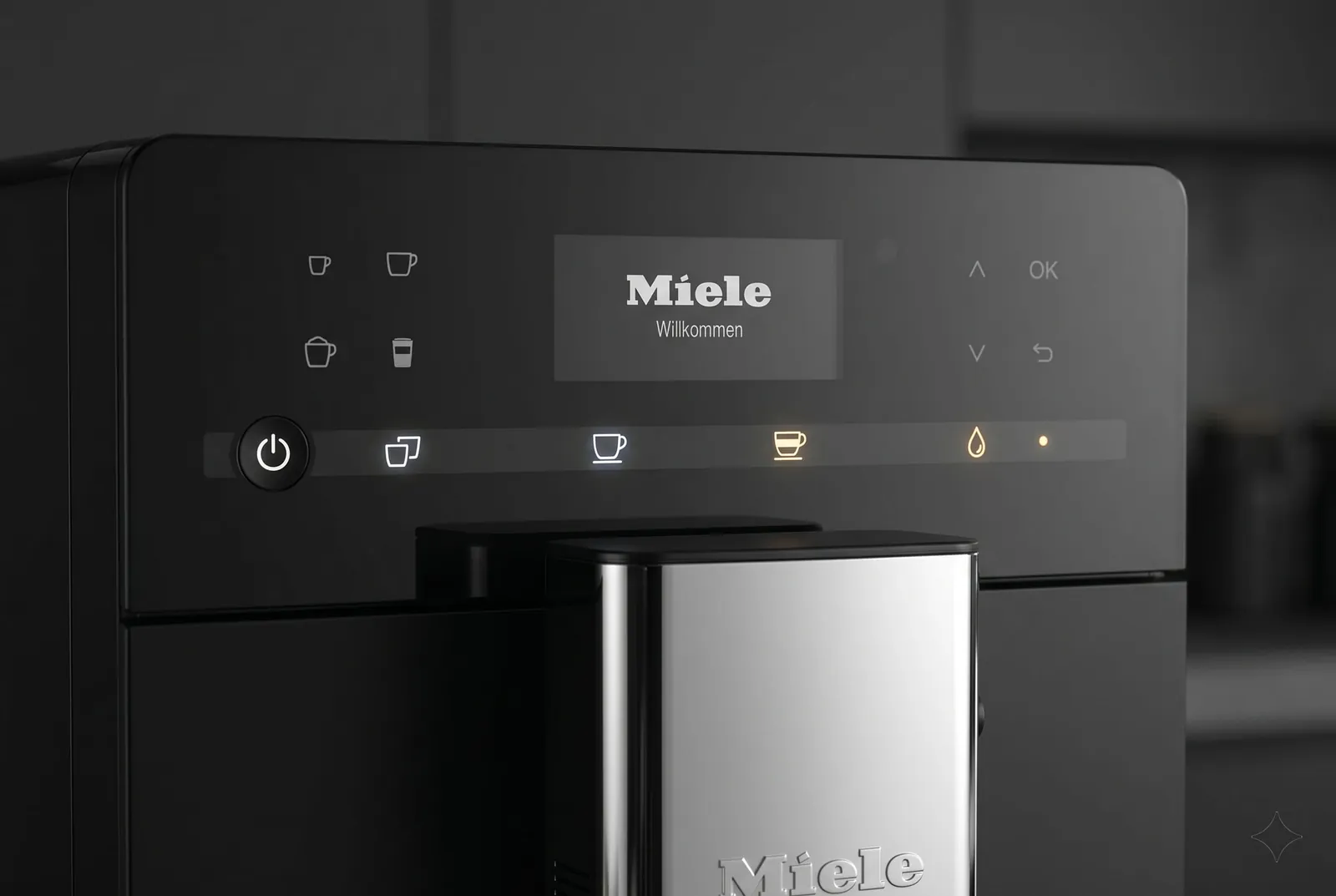
The daily workflow with the CM 5310 Silence settled into a reliable pattern by the end of week one. Press the power button — the machine rinses automatically (approximately 20 seconds). Select your beverage. Press start. The grinder runs for 5–6 seconds at 58–62 dB, the thermoblock activates, and coffee flows within 30 seconds of pressing start. Total time from switch-on to coffee in hand: under 90 seconds. There is no grinding manual intervention, no portafilter loading, no puck disposal, no steam-wand purging. For the standard use case — multiple people, different preferences, before full morning cognition — this is exceptionally well-designed.
The automatic grounds management is one of the more underappreciated features of this machine. Spent grounds are deposited internally into a removable container that holds approximately 20 doses before it needs emptying. In practice, for a two-person household making two cups each daily, the container needs emptying every 4–5 days. The machine tracks dose count and reminds you — no guessing whether the container is full, no accidental overflow. Cleaning the container takes about 60 seconds. The removable brew unit, which I clean every 3–4 days with a quick rinse under the tap, adds another 90 seconds. Total active maintenance time for daily use: approximately 3–4 minutes per week.
Descaling, Rinsing, and the Maintenance Routine
Miele programs the CM 5310 Silence to prompt automatic rinsing at startup and shutdown, and to display a descaling reminder based on usage and hardness. In my test environment (moderately hard tap water, approximately 150 ppm), the descaling prompt appeared at around six weeks. The descaling process — using Miele's own descaling tablets or compatible alternatives — takes approximately 30 minutes with the machine running an automated cycle. You load the descaling solution, start the programme, and let the machine run. There is no manual intervention required beyond monitoring the machine and emptying the drip tray when prompted. For households that have owned poorly designed super-automatics where descaling requires dismantling half the machine, the Miele's automated process is genuinely easier.

Miele CM 5310 Silence vs. Competitors: Direct Testing Comparisons
How the Miele automatic coffee maker stacks up against the De'Longhi Dinamica Plus and Jura E8
Miele CM 5310 Silence vs. De'Longhi Dinamica Plus ($699–$799)
This is the most direct comparison in the market. The De'Longhi Dinamica Plus offers more milk-drink automation (LatteCrema system), a colour touch display, and a lower price by $300–$500. On cup quality from medium-roast beans, the gap between them in blind testing was smaller than the price difference suggests — competent, balanced coffee from both, with the Miele slightly ahead on consistency and the De'Longhi close behind. Where the Miele clearly wins: build quality, noise level (10–12 dB quieter), and particle-distribution precision from the integrated grinder. Where the De'Longhi clearly wins: immediate value, milk drink variety, and the more intuitive colour display. The right choice depends on whether the Silence feature and Miele build premium matter to your specific household situation. If they do, the price gap is justified. If they do not, the De'Longhi is the sharper value.
Miele CM 5310 Silence vs. Jura E8 ($1,049–$1,199)
The Jura E8 is closer in price — within $100 at street price — and is the other credible competitor at this tier. The Jura uses a Pulse Extraction Process (P.E.P.) that pulses water through the grounds to increase extraction efficiency for short beverages; in practice testing, it produced marginally better espresso-style results on the standard setting. The Jura app connectivity is also more fully featured than the Miele's simpler profile system. However, the Jura E8 measured 67–70 dB during grinding in my testing — 7–10 dB louder than the CM 5310 Silence — and Jura's build quality, while good, does not have the same structural precision as Miele's German manufacturing. If noise level is the priority, the Miele is clearly better. If espresso extraction performance and app features are the priority, the Jura E8 is a stronger argument. See our coffee maker reviews hub for the full field comparison across the category.
Miele CM 5310 Silence Long-Term Ownership: The Case for Buying Once
Why the value equation changes completely over a 7–10 year ownership horizon
Miele has a specific brand promise that distinguishes it from almost every other appliance manufacturer: their products are designed and tested for 20 years of use. The CM 5310 Silence is not a 20-year coffee machine — the technology will age, and the thermoblock will eventually require service — but the build philosophy is genuine. The key components that fail in cheap super-automatics — brew unit, grinder burrs, pump seals — are all serviceable in Miele machines by authorised technicians. Parts availability is maintained for 7+ years post-manufacture. The ceramic grinder burrs do not require replacement in the first 5 years under normal daily use.
Running the numbers: at $1,149 and two cups per person per day for a two-person household (approximately 1,460 cups per year), the machine cost per cup after one year is $0.79. After three years, $0.26. After seven years, $0.11. Add coffee cost at specialty quality ($15–$20 per 250g, approximately 4g per cup) and your seven-year cost per cup is approximately $0.37–$0.51. That is the most honest cost-per-cup calculation I can give you — one that makes the initial sticker price look very different across the ownership horizon that Miele's build quality actually supports.
What Actually Matters in a Bean-to-Cup Coffee Maker
Most bean-to-cup machines make the same trade-off: they sacrifice extraction precision for convenience. The grinder burrs are cheaper than standalone units, the extraction parameters are fixed rather than adjustable, and the result is coffee that is consistent but rarely exceptional. What separates the Miele CM 5310 Silence from most of the category is how narrowly it closes those gaps — a ceramic flat burr grinder that actually produces a tighter particle distribution than competitors, a build quality that holds up over years of daily use, and a noise level that addresses the most practical limitation of home bean-to-cup grinding. The CM 5310 does not close every gap — it is not a specialty extraction machine — but it closes the gaps that matter most for the daily household user who wants genuine quality without manual complexity.

Performance Benchmarks
Technical Specifications
Compare Similar Models

De'Longhi TrueBrew Drip Coffee Maker
De’Longhi’s drip machine with integrated conical burr grinder — a different approach to fresh-ground coffee at one-quarter of the Miele’s price. Less build quality, louder, but a credible lower-cost entry to integrated grinding.

Breville Grind Control
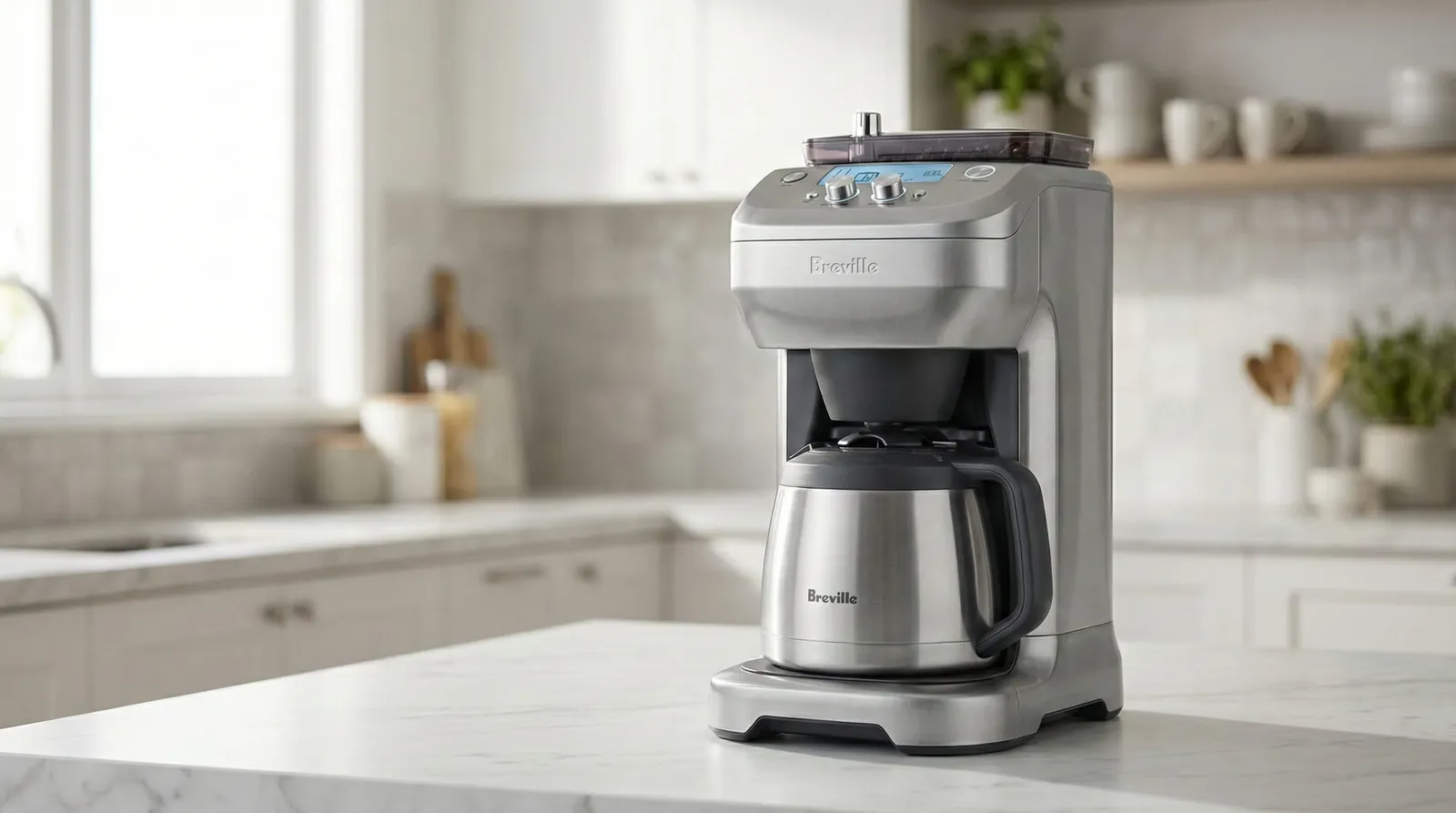
Breville’s grind-and-brew with adjustable grind size, strength, and bloom. Lower price than the Miele, more extraction control via manual settings, but a conical burr grinder that does not match the Miele’s ceramic flat burr particle distribution.

Fellow Aiden
For specialty coffee drinkers considering the Miele CM 5310 Silence but wanting pour-over-quality results: the Fellow Aiden with a separate quality burr grinder produces measurably better cups from light-roast specialty beans, at a lower combined cost.
Long-Term Ownership Considerations
Durability & Build Quality
Miele's German manufacturing standard is reflected in every component of the CM 5310 Silence — stainless drip tray, precision-fitted brew unit, ceramic burr grinder. After 45 days of twice-daily use, no wear is detectable on any surface or mechanism. Expected lifespan with proper maintenance: 8–12 years.
Reliability & Common Issues
Ceramic grinder burrs do not require replacement in the first 5 years under normal daily use. The thermoblock and brew unit are the primary service components over a 7–10 year ownership period. Miele authorised service centres handle repairs with genuine parts.
Parts Availability
Miele maintains parts availability for 7+ years post-manufacture. Common consumables (water filters, descaling tablets) are available through Miele directly and major retailers.
Maintenance Cost
Annual: $15–$25 (descaling tablets, occasional water filter replacement). Five-year total: $75–$125 — among the lowest maintenance cost of any machine at this price tier due to automated cleaning systems.
Warranty Coverage
1-year limited manufacturer warranty — shorter than the machine's actual design lifespan and a notable gap versus competitors like Breville's 2-year coverage. Miele's service reputation partially compensates, but the warranty length is a genuine criticism at this price point.
Resale Value
Miele appliances retain secondary market value well due to brand reputation and longevity. Expected resale at 2 years: 60–70% of purchase price. Expected resale at 4 years: 45–55%. Strong demand from buyers specifically seeking Miele build quality.
Final Verdict
This machine was purchased independently and was not provided by Miele.
After 45 days, 180+ cups, and more particle-distribution analysis than most bean-to-cup machines receive from an industry tester, the Miele CM 5310 Silence earns its rating — and its price — for a specific type of buyer. It is the best-built, quietest, and most consistently performing fully automatic bean-to-cup machine I have tested at this price tier. The Silence technology is real and measurably significant. The ceramic flat burr grinder outperforms most integrated alternatives on particle distribution. The build quality reflects a manufacturing standard that most competitors at this price cannot match. None of that means it is the right machine for everyone — but for the buyer it is designed for, it is the one to buy.
Key Takeaways
- Silence technology measured at 58–62 dB during grind cycle — 10–12 dB quieter than De'Longhi Dinamica Plus, a genuine and meaningful acoustic reduction
- Ceramic flat burr grinder achieved 68% particle concentration within 400–800 micron target range — better integrated grinder distribution than De'Longhi Dinamica Plus (54%) and Jura E8 (55–60%) at equivalent settings
- TDS readings of 1.18–1.28% for coffee function and 6.8–8.4% for espresso — honest, consistent extraction within expected ranges for a fully automatic machine
- Build quality gap versus competition is immediately tactile — component precision, material quality, and 45-day durability confirm Miele's manufacturing standard
- Value case requires multi-year ownership thinking — per-cup cost after seven years of daily use falls to approximately $0.37–$0.51 including coffee
Buy the Miele CM 5310 Silence if you want the quietest, best-built fully automatic bean-to-cup machine at this price tier and you plan to own it for 7+ years. It rewards medium and medium-dark roast specialty beans more transparently than competitors, and the Silence technology is the only credible solution in this category for noise-sensitive households. Skip it if pour-over clarity is your goal — a separate quality grinder and drip machine will serve you better. And if the premium pricing is the sticking point, the De'Longhi Dinamica Plus at $300–$500 less does similar things with adequate quality for a shorter ownership window.
Get Coffee Tips
Join our newsletter for expert reviews and brewing guides.
Affiliate Disclosure: We may earn a commission when you purchase through links on our site. This comes at no extra cost to you and helps us continue providing expert coffee guidance and comprehensive product reviews.