
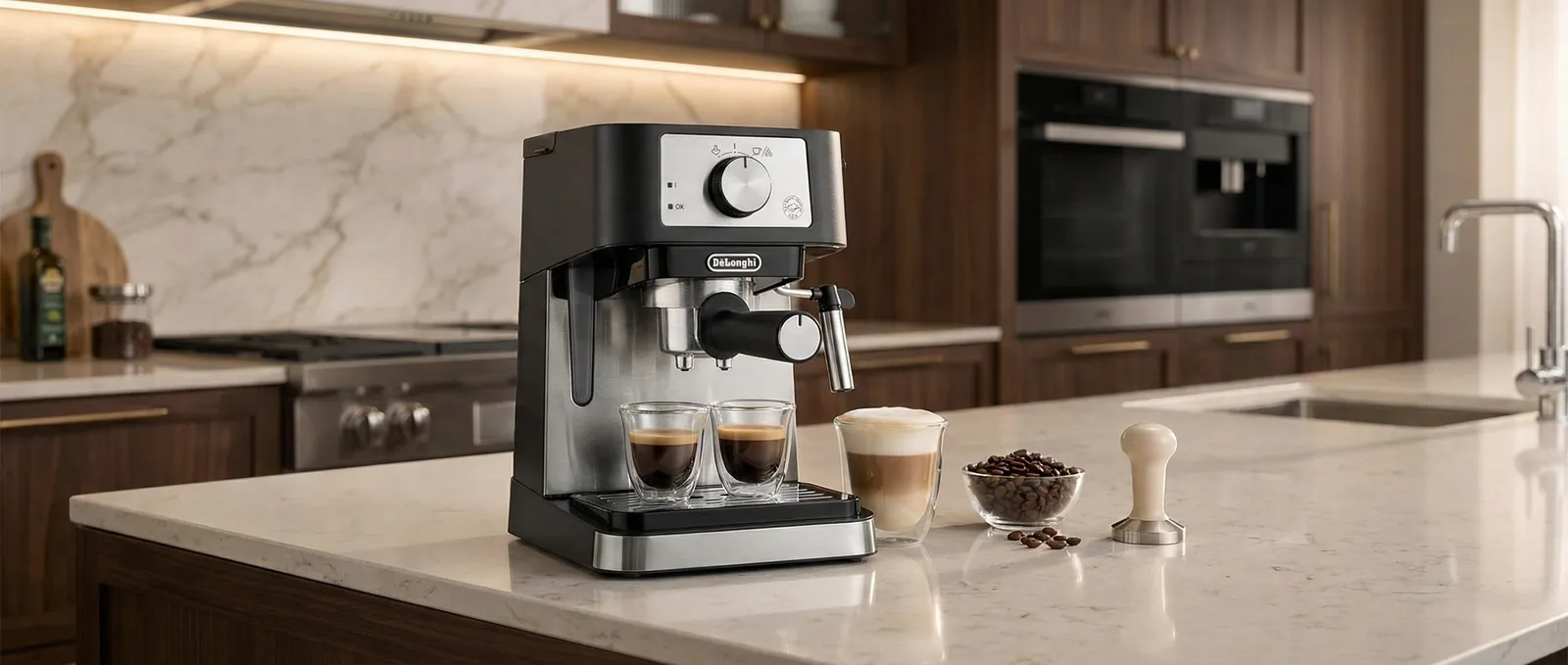
De'Longhi
De'Longhi Stilosa EC260
A true budget starter machine for testing whether home espresso is for you before spending more.
Espresso machine review
Last updated
A low-cost starter machine for first-timers and renters wanting a pod-machine replacement without a big commitment.
Affiliate disclosure: this page contains Amazon affiliate links. We may earn a commission if you buy through them, at no extra cost to you, and it never affects our rankings. Read our full affiliate disclosure
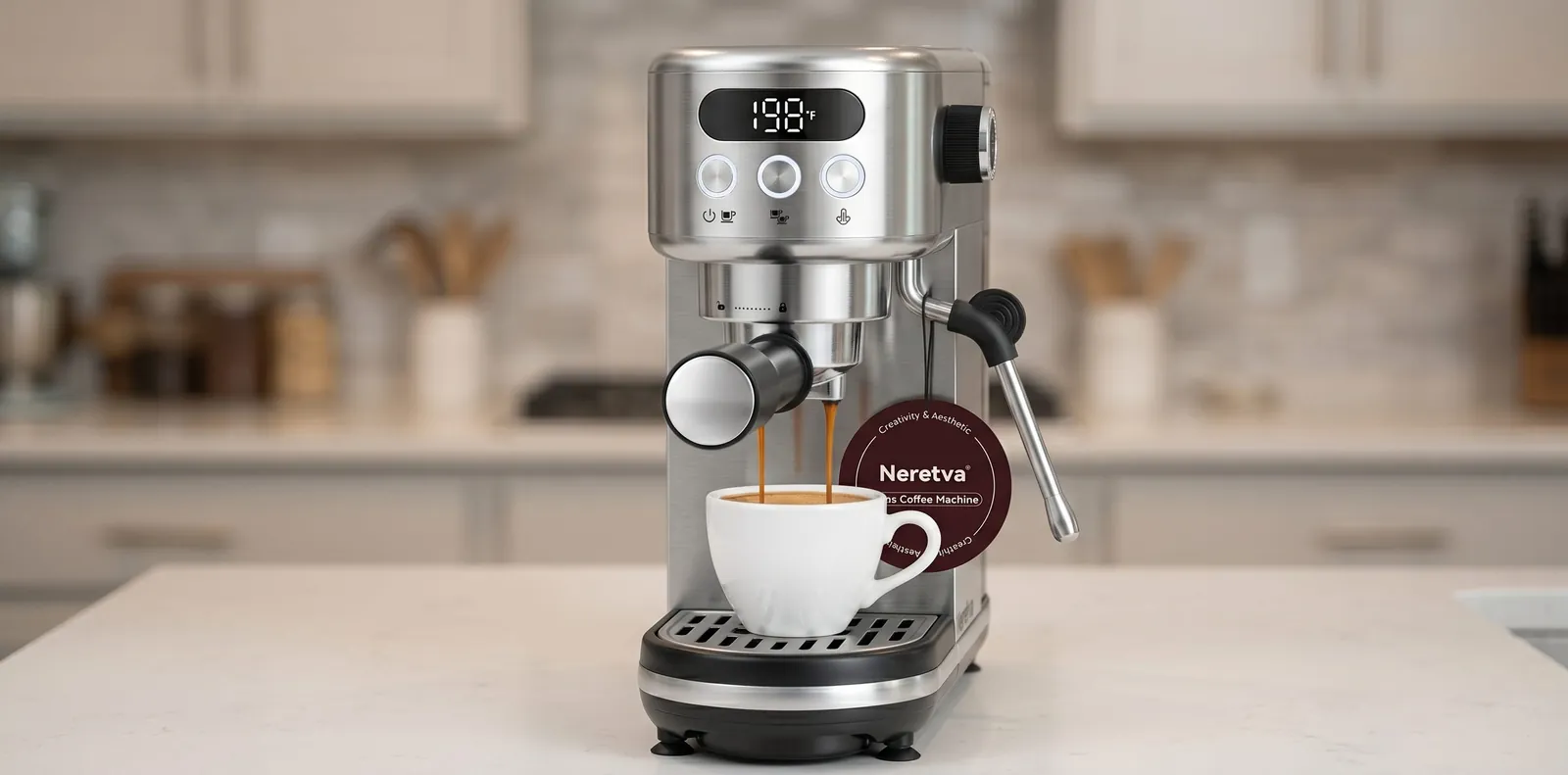
Neretva Espresso Machine at a GlanceSituational pick
Budget espresso for a first-timer testing the waters, not a machine to keep long term.
Ultra-Budget Entry-Level Single-Boiler Pump Espresso Machine
In the shot log· 52+ shots · 3 weeks
Why it stands out
Watch out for
✓ Best for
First-time espresso buyers with a strict budget (around $100) who want real pump pressure
✕ Skip if
Anyone who has dialed in espresso on a single-wall basket and knows what a properly extracted shot tastes like
Affiliate link: we may earn a commission at no extra cost to you. It never affects our rating.
The Neretva won't challenge a Gaggia Classic Pro or a Breville Bambino Plus — anyone claiming a $99-$119 machine competes with gear four times the price isn't testing carefully. The real question is whether it does what it promises at the price it charges.
The short answer: for a first-timer on a strict budget it does, but anyone who can stretch to the Stilosa or Café Roma gets noticeably more.
We backed this up with refractometer readings and a portafilter thermometer rather than impressions.
Check where you fit before you look at the trade-offs below.
A strong match
Consider something else
What earns the rating, and what you give up to get it.
6 reasons it works
7 trade-offs to weigh
How it performed in day-to-day use, in the order you will meet it.
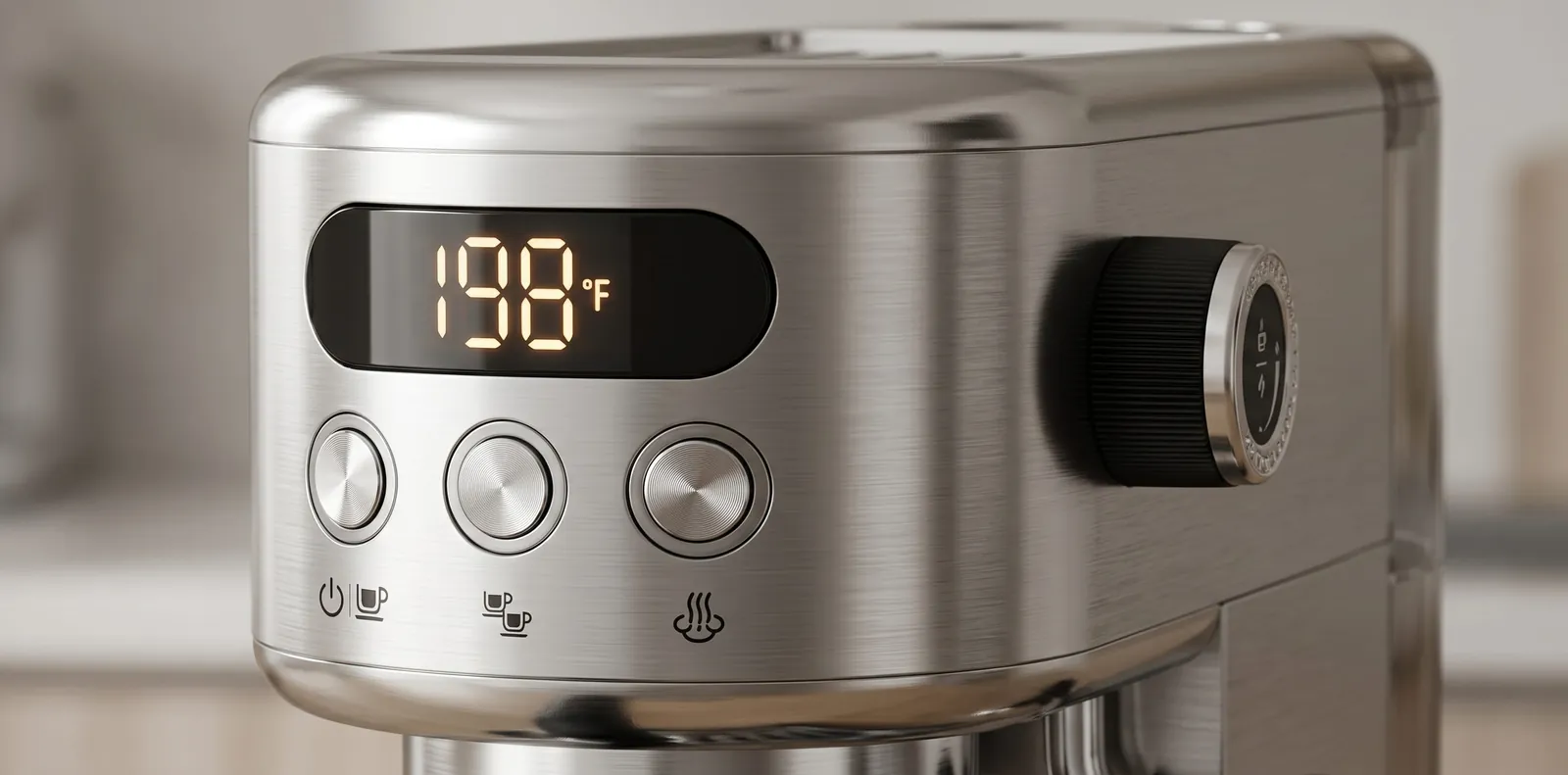
Out of the box, the Neretva takes about four minutes to set up: attach the water tank, run two blank shots to flush the system, and it's ready. The control interface is a single rotary dial — one position for espresso, one for steam. There's no learning curve to operating it.
The pressurized dual-wall portafilter does most of the work. Unlike a single-wall basket, where dose, grind size, and tamp pressure all interact and can choke or underextract a shot, the dual-wall basket regulates flow mechanically. You can use pre-ground grocery-store espresso and still get something that looks and smells like espresso — a feature or a limitation depending on where you are in your coffee journey.
As a daily morning machine, the routine held up: flip the switch, grind a 14-16 g double while the machine warms, and the first shot lands in the cup roughly ten minutes after waking up. Not fast next to a commercial machine, but reasonable for a thermoblock at this price.
Refractometer readings averaged 17.4% TDS extraction yield with a 2.4% standard deviation — a wide spread that reflects the thermoblock's main weakness. For comparison, a Gaggia Classic Pro tested on the same beans and grinder setting averaged 20.3% with only 0.7% deviation.
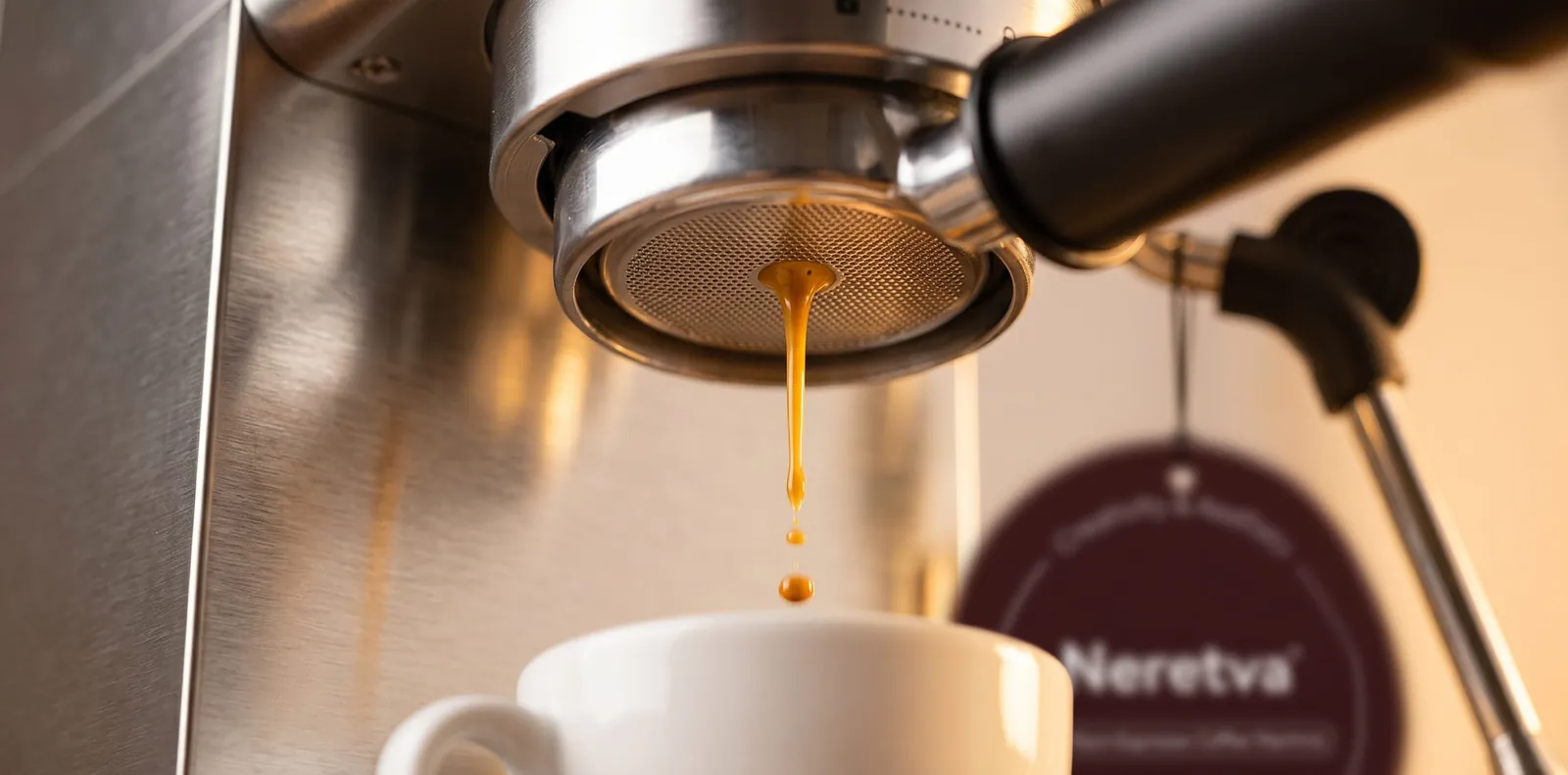
On a good pull — thermoblock closer to 195°F, grind dialed to medium-fine — the espresso was drinkable: reasonable body, thin crema holding about 45 seconds, bright acidity typical of a pressurized-basket extraction. Pulled too early (within 30 seconds of the ready light), shots came out thin, pale, and sour, because the thermoblock keeps heating after the indicator turns on.
The fix: wait 60-90 seconds after the ready light before pulling. Most failed shots in testing were early pulls. Darker roasts were far more forgiving of the temperature swing; a light Ethiopian roast came out under-extracted no matter how the grind was adjusted, since light roasts need higher, more stable brew temperatures than this machine can hold.
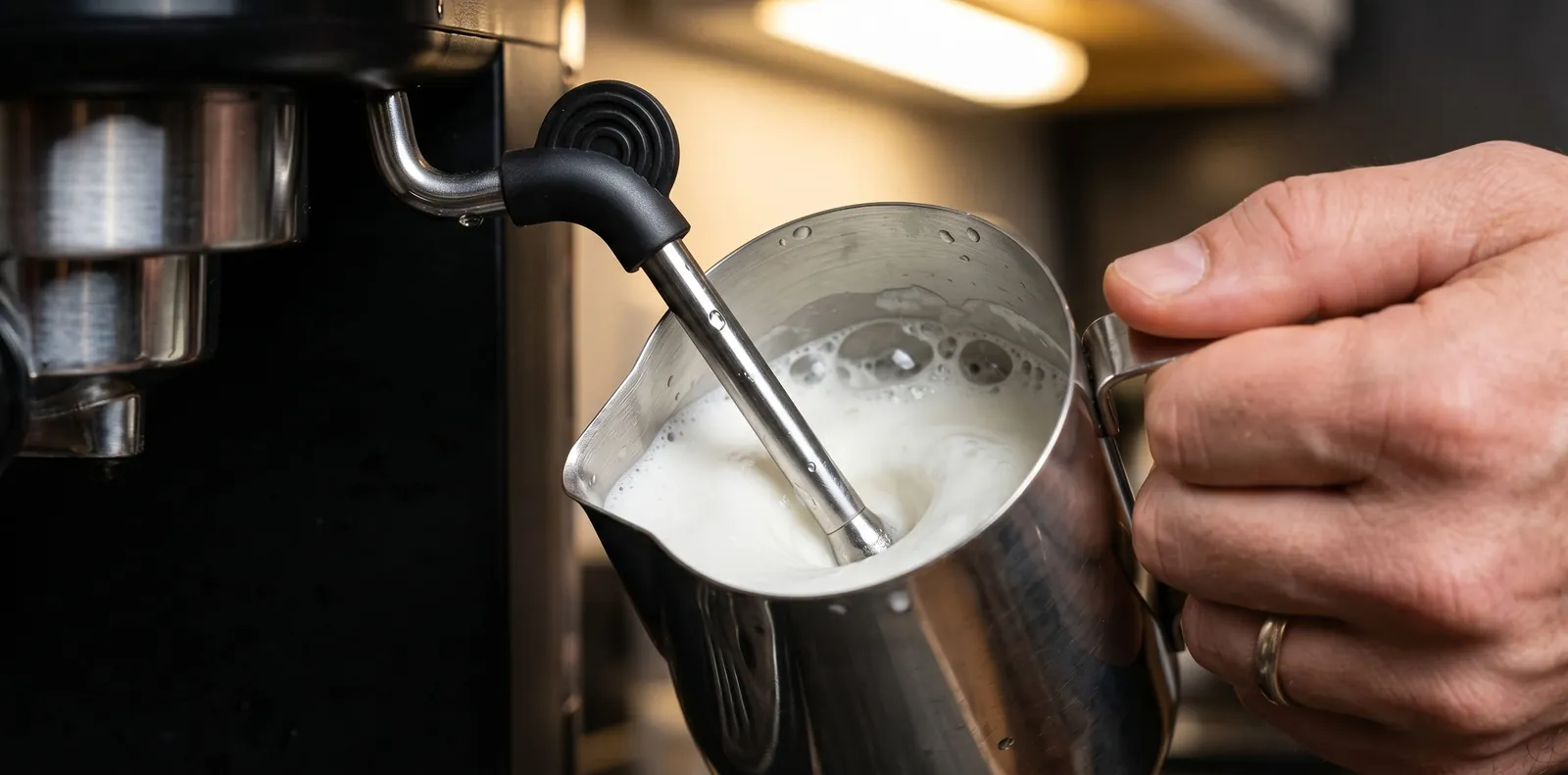
The manual steam wand puts out an estimated 0.7 bar of steam pressure, versus 1.2-1.5 bar on the Gaggia Classic Pro and roughly 1.0 bar on the Breville Bambino Plus's auto-microfoam system. That gap determines both how fast milk heats and whether you can create the vortex needed for microfoam.
Four ounces of cold whole milk reached 140°F in about 65 seconds — workable, but slower than any machine built for serious milk texturing. The foam came out coarse and bubbly regardless of wand angle or depth: fine for a spooned cappuccino, not for a poured flat white or latte art.
One workflow catch worth flagging: after steaming, the thermoblock needs roughly 2.5-3 minutes to drop back to brewing temperature, so a latte means pulling the shot, then steaming, then a wait — the espresso sits and loses heat while you do it. A machine with a larger boiler, like the Gaggia Classic Pro, recovers faster.
The removable 1.5 L water tank is the Neretva's best design decision — large for a machine this size, good for 6-8 double-shot drinks before refilling, and it slides out cleanly without tools. The drip tray is functional but shallow enough that it needed emptying roughly every other day during heavy testing.
Descaling and backflushing are the main upkeep requirements:
Build quality is plastic-dominant, which is appropriate for the price but not intended for years of heavy daily use. For one or two drinks a day, total cleanup runs well under two minutes.
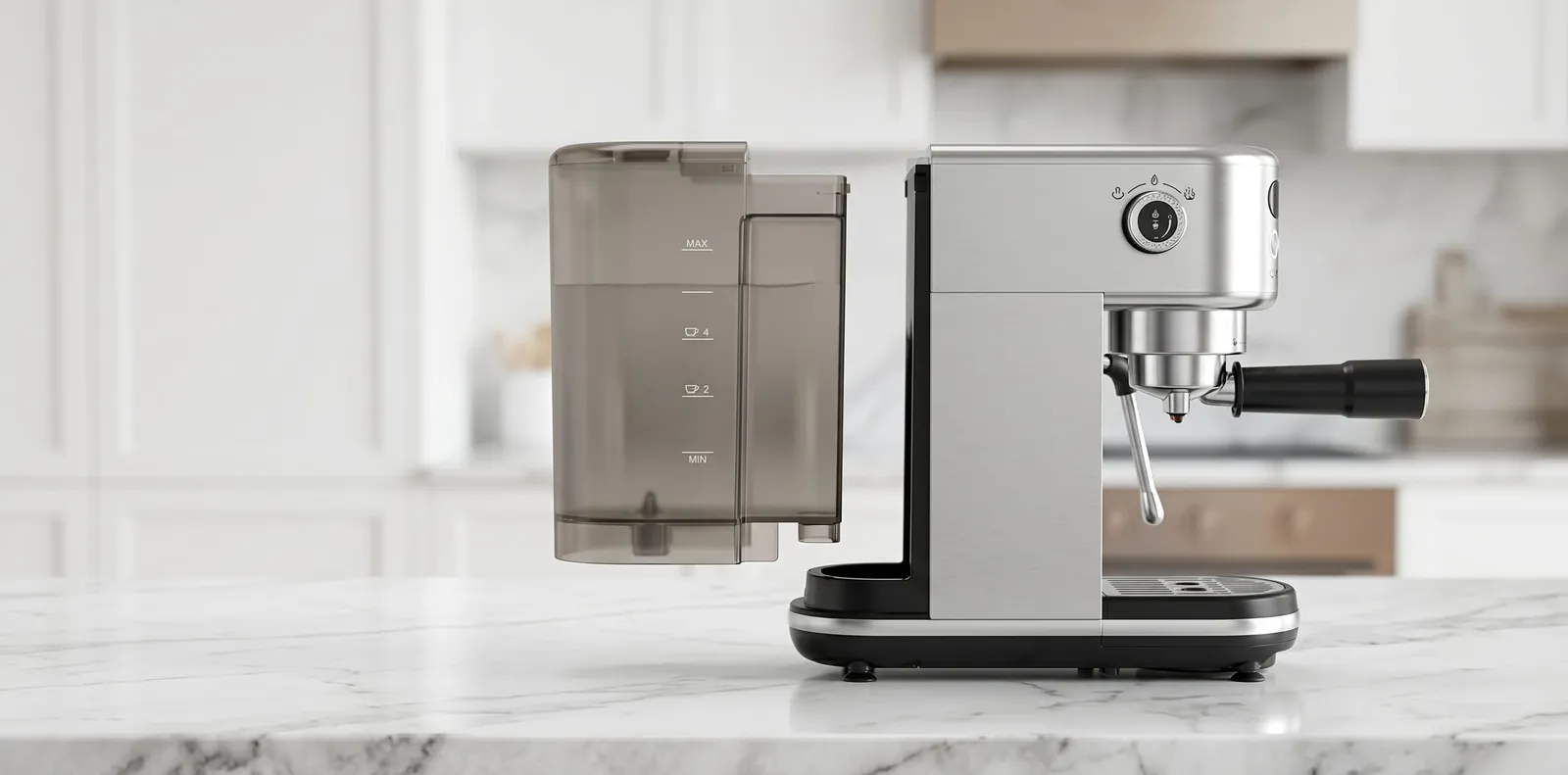
Expect a learning curve that the machine only partly softens. Start with fresh, medium-to-dark roasted beans and a consistent grind, because the pressurized basket hides some mistakes but cannot rescue stale coffee. Our guide to making espresso at home and fast or slow shot troubleshooting help you read what is happening in the cup.
Because the thermoblock needs recovery time between brewing and steaming, plan the order of your drinks: brew first, then steam, and allow the machine to settle. Keep the water tank clean and descale on schedule, as scale is the usual cause of pump trouble in this class.
Skip it if you already know you want to learn real extraction technique, or if you make several drinks a day. In those cases, the De'Longhi Stilosa review and the Breville Cafe Roma review cover machines for slightly more money with more to offer.
If you can afford to jump higher, the best espresso machines under $500 comparison shows where the extra spending goes. The Neretva makes sense mainly as a low-risk way to find out whether home espresso suits you.
The closest lookalike is the CASABREWS CM5418: a similar compact 51mm machine with pressurized baskets and a manual wand. Our CASABREWS CM5418 review covers its overheat lock after steaming and how it compares on milk drinks.
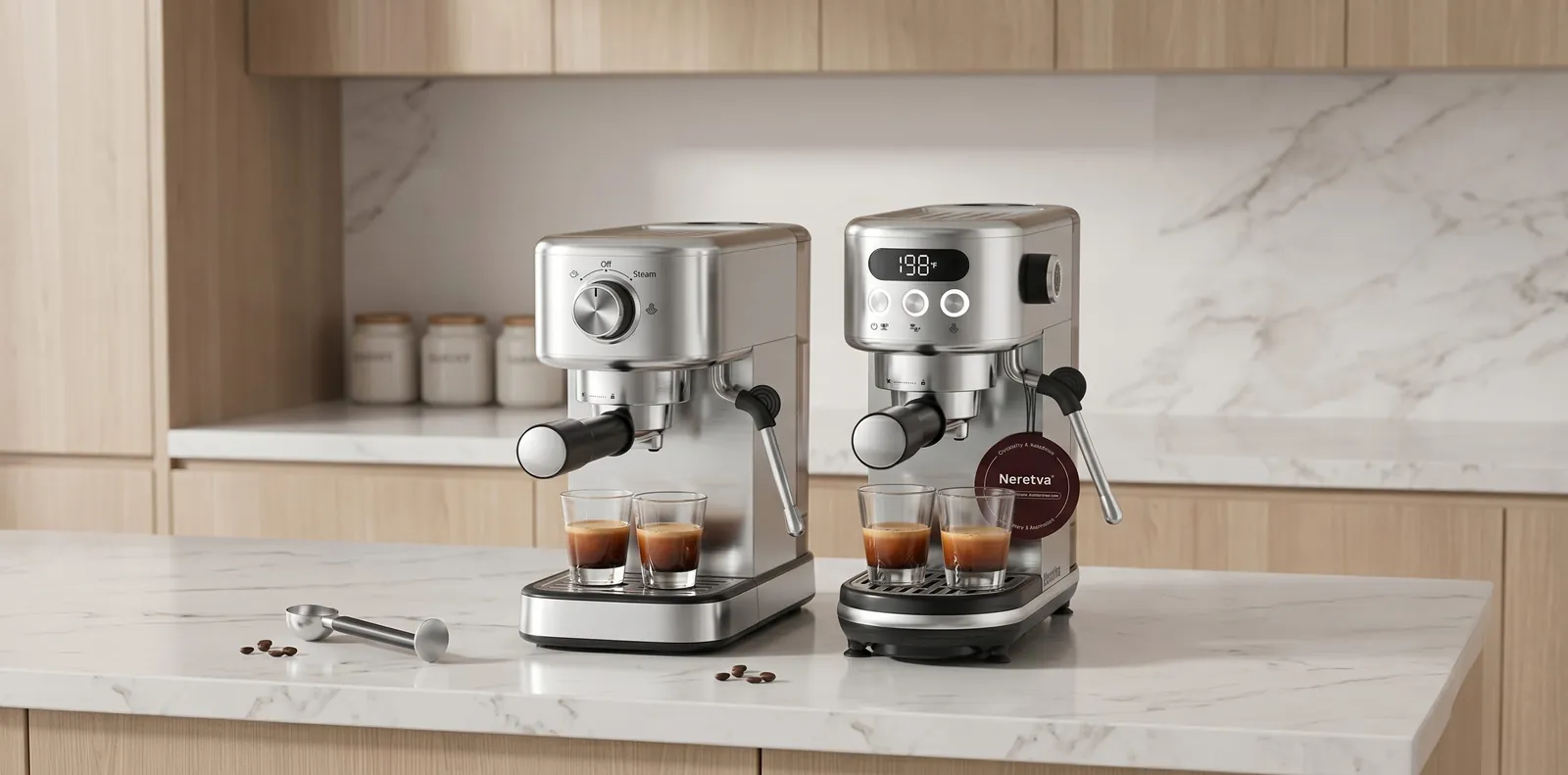
A fast heater, a pressurized basket and the temperature trade-offs
The Neretva heats with a thermoblock, so it is ready quickly but holds temperature less steadily than a boiler. The advertised pump pressure is a peak figure; the pressurized basket sets the real pressure at the puck near the range espresso needs.
That basket makes an uneven grind survivable. Water has to push through a small restrictor hole, which builds pressure and creates foam. It is forgiving, but it also masks bean quality.
For the cup, expect a strong, simple drink and a steam wand that makes bubbly foam, not microfoam. Read the crema explainer for the difference.
Lukewarm shots, slow recovery and scale: ownership issues and fixes
Before you decide
Almost every budget espresso machine you'll see marketed today advertises 15-bar, 19-bar, or 20-bar pump pressure. These numbers refer to the rated capacity of the vibratory pump — not the pressure delivered at the coffee puck.
Authentic espresso extraction happens at 9 bars. Quality machines use an over-pressure valve (OPV) to regulate flow from a high-rated pump down to the correct 9 bars. On machines like the Neretva, that regulation happens passively through the pressurized dual-wall basket rather than a calibrated OPV. The result is that actual extraction pressure varies more than the spec sheet suggests.
This isn't unique to Neretva — it's how most sub-$150 machines work. Understanding the difference between advertised pressure and real extraction pressure will help you set appropriate expectations. Our guide to what espresso extraction actually means covers this in detail and explains why grind size and dose have more impact on your shot than pump pressure ratings.
For budget machines that rated higher, see our best espresso machines under $200.
Durability, upkeep and running costs once the novelty wears off.
At $99-$119, expect 2-4 years of light daily use.
Plastic-dominant construction fits the price. The thermoblock is simpler than a boiler and generally reliable with regular descaling, but 4+ drinks a day will accelerate wear on the pump and portafilter valve.
Owner reports skew positive for occasional use over 1-2 years and more mixed for daily heavy use.
The main failure point in this class is pump degradation from scale buildup — descale every 6-8 weeks regardless of usage level.
Limited.
The proprietary portafilter rules out basket upgrades. Warranty support is responsive in year one; parts availability beyond that is uncertain given the brand's recent market entry.
Descaling solution: roughly $8-$15 every 6-8 weeks.
No other major consumables beyond coffee.
1-year limited — standard for the price tier.
Minimal.
Budget machines at this price point have negligible resale value; factor that into any 3-year cost-of-ownership comparison.
Quick specs
How it scored
Affiliate link: we may earn a commission at no extra cost to you. It never affects our rating.
The Neretva sits in a specific niche — it is not a machine that grows with you, and it is not built to last a decade. It is a machine that costs less than most people's monthly coffee shop tab and lets a complete beginner experience pump espresso at home for the first time. That purpose is legitimate; the verdict depends entirely on whether you're that buyer. This machine was purchased independently and was not provided by Neretva.
Our rating, who it fits, and what it costs.
Neretva Espresso MachineSituational pick
3.3 / 5 — Is it worth buying?
The Neretva delivers real vibratory-pump espresso at one of the lowest prices in the category. Temperature variance and the proprietary pressurized portafilter are real limitations, but for a household that wants to stop paying for daily espresso drinks and isn't ready to spend $300+, the math works.
✓ Best for
✕ Skip if
Score breakdown
Shots tested
52+
Testing period
3 weeks
Ready to decide?
Our verdict: 3.3/5, situational pick. Independently tested; commissions never change a rating.
See how the Neretva Espresso Machine compares with the other picks in each tested roundup.
Closest alternatives in price and purpose, each tested the same way.
De'Longhi
A true budget starter machine for testing whether home espresso is for you before spending more.
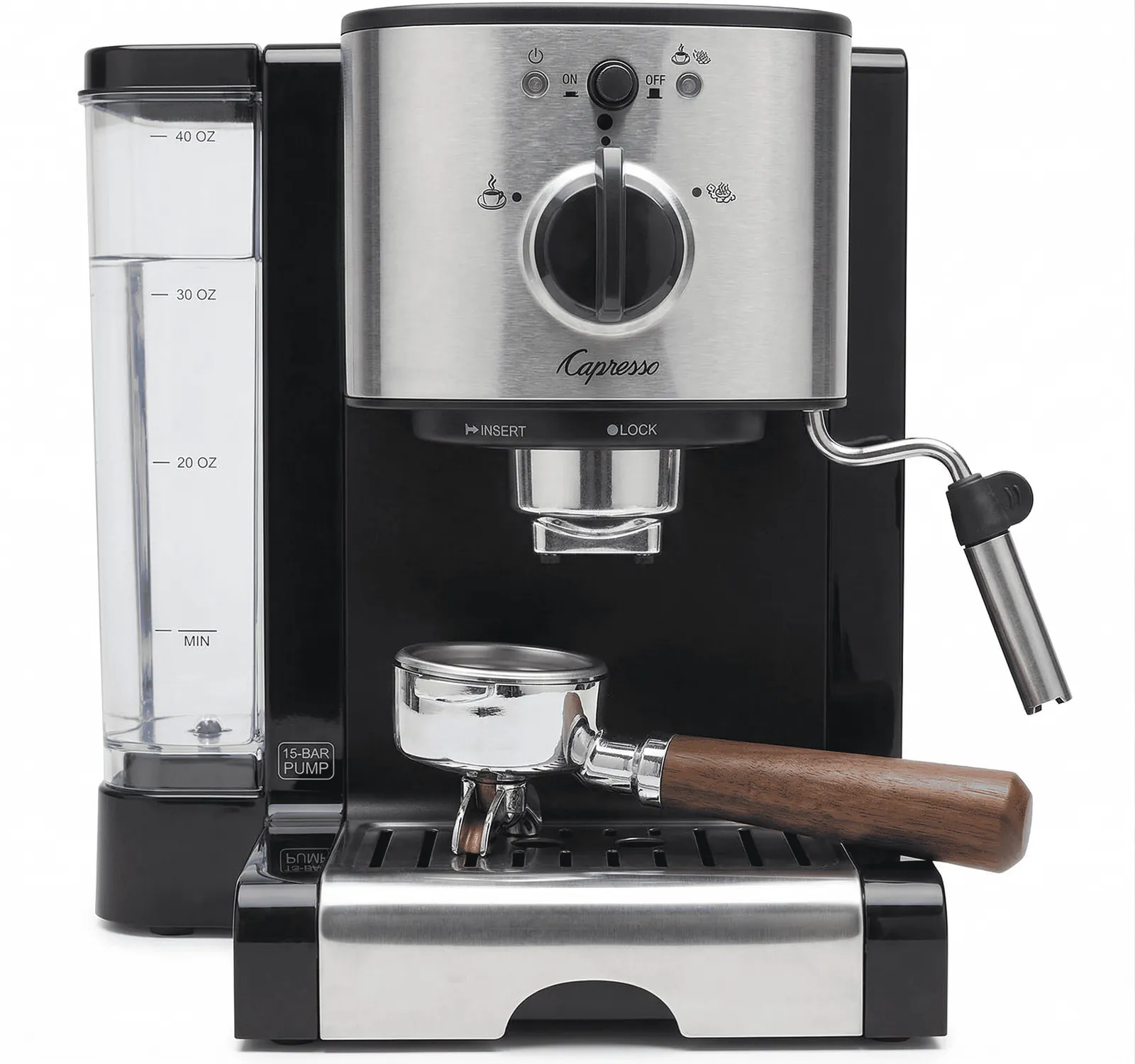
Capresso
A budget-friendly pump machine for pod-machine refugees getting their first taste of real espresso pressure.
Nespresso
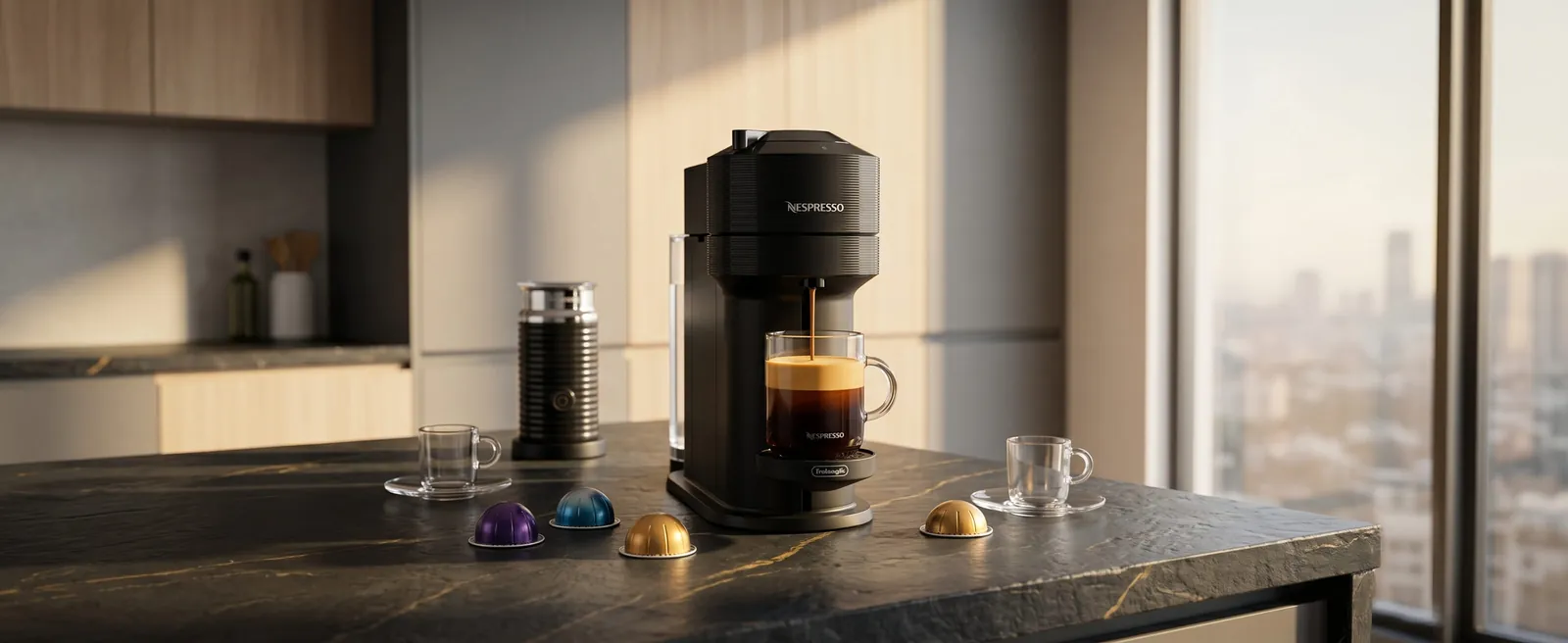
A one-button capsule machine with a 30-second heat-up, aimed at absolute beginners who want good results with zero learning curve.
Nespresso
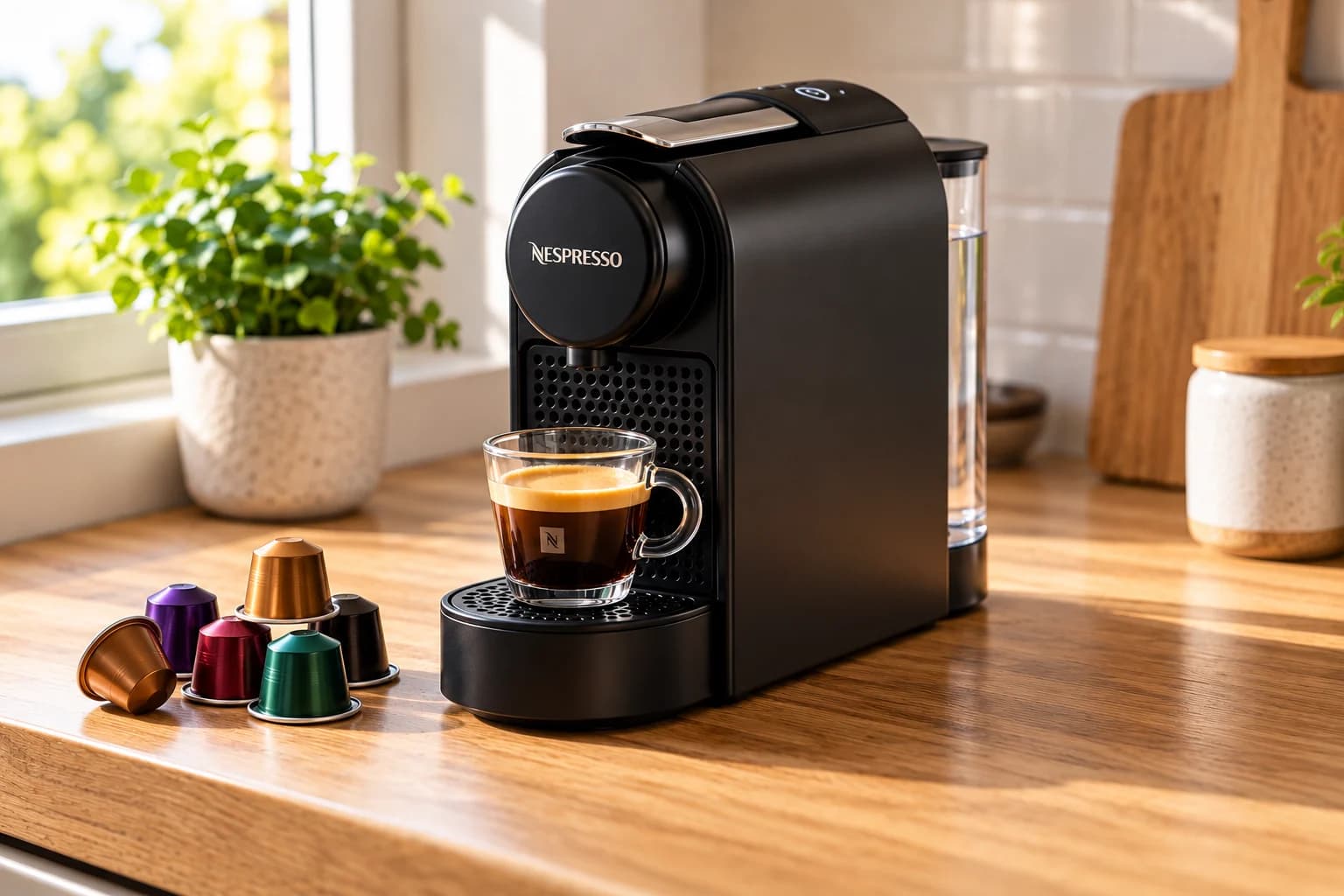
The smallest Original-line Nespresso: two cup sizes, a 30-second heat-up and a small tank.
Put it into practice with a free calculator built for what you just read.
Quick answers before you buy.
At $99–$119, the Neretva is worth buying for one specific buyer: a complete beginner who wants to experience pump espresso at the lowest possible price and doesn't expect café-quality results.
It's not worth buying if you've already tasted well-extracted espresso and know what you're aiming for, or if your budget can stretch to the De'Longhi Stilosa ($79–$149) or Breville Café Roma ($249–$299), both of which offer meaningfully better performance.
The 20-bar figure refers to the vibratory pump's rated capacity, not the pressure delivered during extraction. Espresso is brewed at 9 bars of pressure at the coffee puck.
On the Neretva, a pressurized dual-wall basket regulates flow from the high-capacity pump down to functional extraction range. This is standard practice for machines in this price tier — the 20-bar rating is a marketing specification, not a performance claim.
The De'Longhi Stilosa EC260 ranges from about $20 less to about $30 more ($79–$149 vs $99–$119) and offers better build quality, marginally more stable thermoblock performance, and the De'Longhi brand's parts and service support.
If your budget allows any flexibility above the Neretva's price, the Stilosa is the better long-term choice.
The Neretva's only edge is a low street price (the Stilosa can start lower, but often costs more).
Yes, with caveats. The manual steam wand produces thick, bubbly foam suitable for layered cappuccinos.
It does not produce the silky microfoam required for poured lattes or latte art. For a home cappuccino where foam is spooned rather than poured, the results are acceptable.
Expect 55–80 seconds to steam 4 oz of milk.
Every 6–8 weeks is a reasonable baseline for moderate use. In hard-water areas, every 4–6 weeks is safer.
The machine has no built-in descaling alert — monitor the schedule yourself. Use a commercial espresso machine descaler, not vinegar.
Consistent descaling is the most important maintenance step for thermoblock-based machines and directly affects shot quality and machine longevity.
Three things stand out clearly from testing: First, temperature variance of ±8–11°F causes inconsistent shot quality — the fix is waiting longer before pulling, but it requires discipline. Second, the proprietary pressurized portafilter has no upgrade path to single-wall baskets, so enthusiasts will hit the ceiling quickly.
Third, the steam wand lacks the pressure for microfoam — cappuccino foam is achievable, latte art is not. For casual use at the price, these limitations are acceptable.
For anyone developing real espresso skills, they are dealbreakers.
Yes.
The pressurized dual-wall basket regulates flow mechanically, so pre-ground espresso still produces something that looks and smells like espresso.
Freshly ground beans give better flavor, and if you later want to control grind and dose you will outgrow the basket; see our best espresso machines under $500.
Expect roughly 2–4 years of light daily use, given the plastic-dominant build.
Descale every 6–8 weeks, since scale buildup is the main failure point for pumps in this class, and note the warranty is 1 year limited.
Reader questions
Questions or tips? Leave a comment
Ask about your setup or share what worked for you. Comments are checked before they appear.