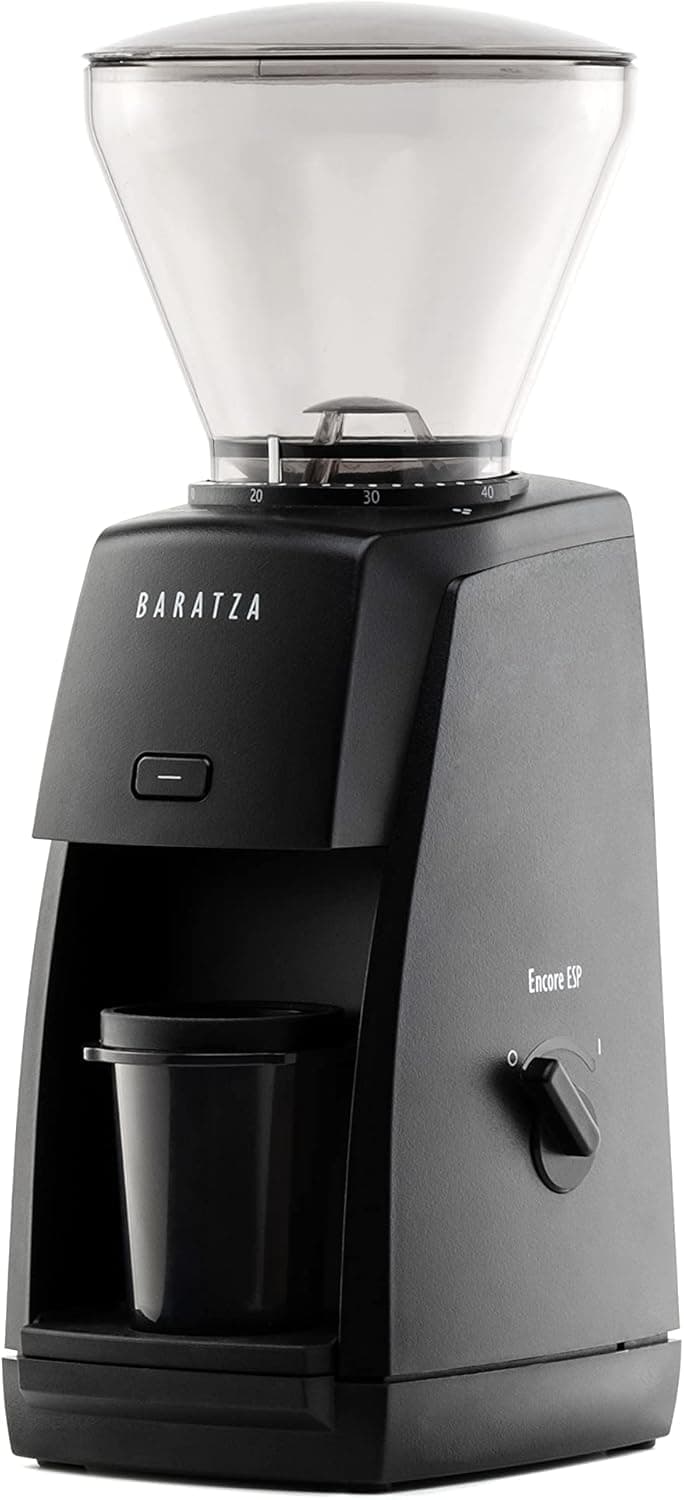
Baratza Encore ESP
4.7
Best For: Best for Espresso & Filter
Grind Range: Espresso to French Press
Burr Type: Conical (40mm)
Price: $200-$250
Expert guidance for selecting the perfect burr grinder for your brewing style and budget
Knowing how to choose a burr grinder is the single most impactful decision you can make for your home coffee setup. As an SCA-certified Q Grader who's evaluated over 100 grinders across every price tier, I can say with confidence: your grinder determines roughly 70% of what ends up in your cup.
This burr grinder buying guide covers everything — from the core burr grinder vs blade grinder difference (spoiler: blade grinders destroy extraction quality) to choosing between conical and flat burr designs. Whether you're searching for the best burr grinder for home use on a tight budget or ready to invest in a precision flat burr model, this guide will get you there fast.
I'll walk you through burr geometry, grind settings, brewing-method compatibility, and price tiers from $50 entry models to $3,000+ professional grinders — so you leave with a clear, confident choice.
A burr coffee grinder employs two precision-engineered revolving abrasive surfaces (burrs) to systematically crush whole coffee beans into uniformly sized particles with remarkable consistency. This fundamental mechanical difference separates professional-quality grinding from amateur blade grinding methods.
Unlike blade grinders that violently chop beans with rapidly spinning metal blades—producing chaotic particle size distribution ranging from powdery fines to oversized boulders—burr grinders use controlled compression between two burr surfaces. This methodical crushing action ensures every particle falls within a narrow size range, typically varying by less than 5-10% in premium models.
Why particle uniformity revolutionizes coffee extraction: Coffee brewing is fundamentally a solvent extraction process where hot water dissolves soluble compounds from ground coffee. Extraction rate depends almost entirely on particle surface area and size. When all particles measure consistently, water penetrates evenly, extracting flavors at identical rates throughout the coffee bed.
Blade grinders create extraction chaos: ultra-fine particles over-extract within seconds (releasing harsh, bitter compounds like chlorogenic acid and caffeine), while oversized chunks under-extract (failing to release sweet, aromatic compounds), and medium-sized particles extract normally. The result? Simultaneously bitter, sour, and hollow-tasting coffee that obscures origin characteristics and roasting nuances.
Professional cupping labs and specialty coffee competitions exclusively use burr grinders because uniform extraction reveals coffee's true character—bright acidity, complex sweetness, delicate aromatics, and terroir-driven flavor notes that distinguish exceptional beans from commodity coffee. The sensory difference is immediate and profound: clearer flavor separation, enhanced sweetness perception, balanced acidity, and smooth mouthfeel.
For espresso specifically, burr grinders are absolutely non-negotiable. Espresso's 9-bar pressure extraction amplifies any inconsistencies exponentially. Even 50-micron variations in particle size create channeling—where pressurized water finds paths of least resistance through coarser sections, bypassing finer areas entirely—resulting in simultaneously under-extracted sour notes and over-extracted bitterness in the same shot. If you want to understand exactly why that happens and how to fix it, our guide to espresso extraction walks through every variable in detail.
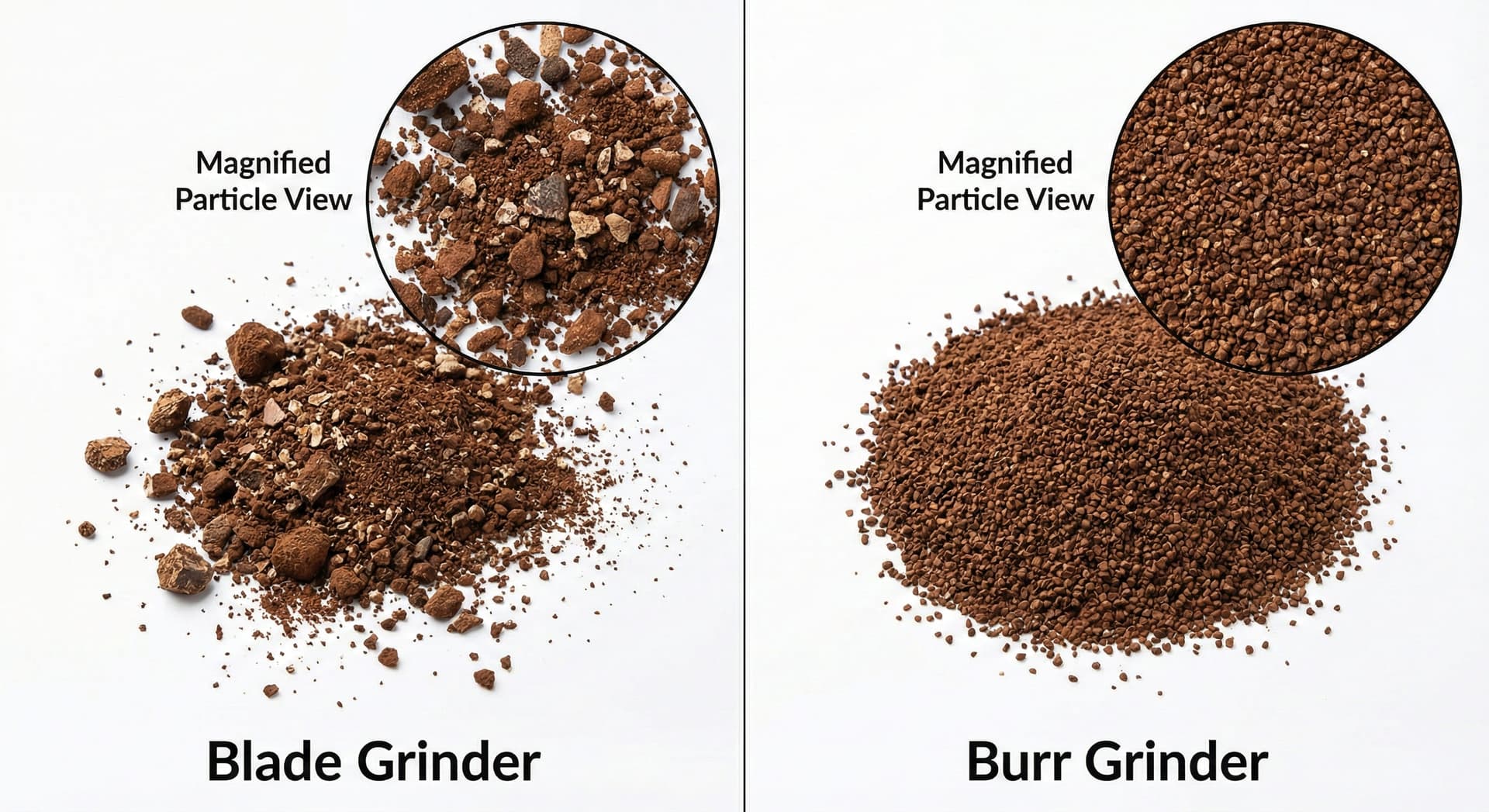
Still deciding whether a burr grinder is worth upgrading to from a blade grinder? Our burr grinder vs blade grinder comparison covers exactly what the difference does to your coffee, with particle analysis and side-by-side tasting results.
The conical vs flat burr choice is the most fundamental decision when selecting a coffee grinder. Their geometric design, particle distribution characteristics, and flavor impact differ significantly — understanding these distinctions helps you match grinder architecture to your brewing preferences and budget.
If you brew espresso daily and want the cleanest possible extraction→choose a flat burr grinder with stepless adjustment
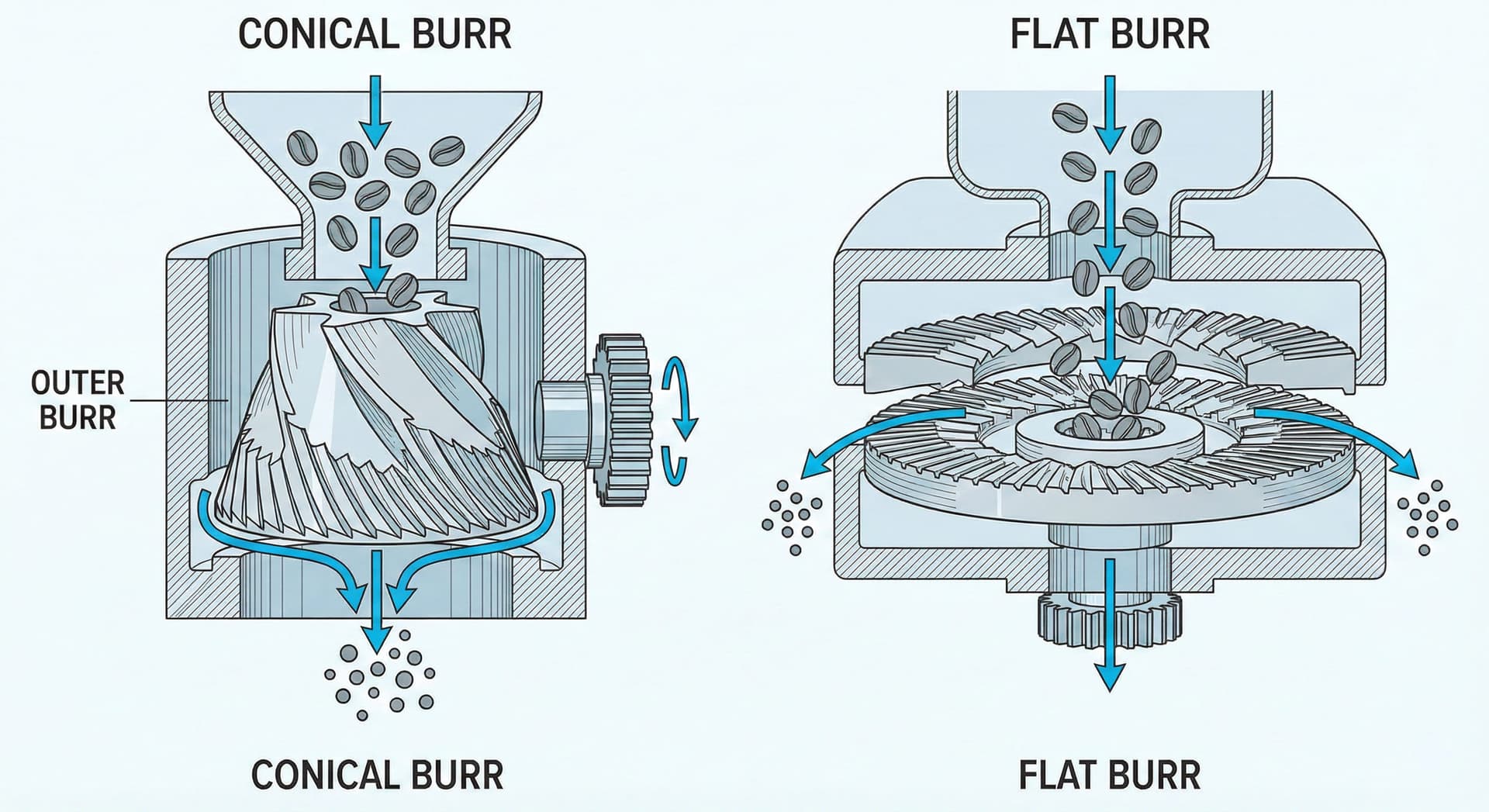
Conical burrs feature a cone-shaped inner burr rotating inside a hollow ring-shaped outer burr. Beans enter from the top, falling between burrs where centrifugal force and gravity draw them through progressively narrower gaps. This vertical grinding path and cone geometry create distinct performance characteristics that make conical burrs the most popular choice for home coffee enthusiasts.
Flat burrs consist of two parallel donut-shaped discs with sharp cutting teeth arranged radially. Beans drop between the burrs and are flung outward by centrifugal force, progressively crushed as they migrate toward the outer diameter. This horizontal grinding path and parallel surface geometry deliver unmatched particle uniformity—the holy grail for espresso extraction perfection.
For home espresso enthusiasts prioritizing shot quality and willing to invest $500+, flat burrs deliver measurably superior results. For manual brewing methods (pour-over, French press, drip), versatile daily use, quieter operation, and better value, conical burrs excel. Many professional coffee reviewers maintain both: flat burr grinder for espresso, conical burr for manual brewing.
Grind adjustment capability determines your grinder's versatility across different brewing methods. Entry-level burr grinders offer 16-25 click-stop settings—adequate for manual brewing methods like pour-over, French press, and drip coffee where adjustment precision matters less. Mid-range models provide 40+ stepped settings with finer increments between positions.
Stepless adjustment represents the gold standard for espresso grinders, offering infinite micro-adjustments between the finest and coarsest extremes. This precision proves essential when dialing in espresso—temperature changes, humidity variations, and bean age all require grind size tweaks measuring mere microns. A single click on a stepped grinder might shift extraction time by 5-8 seconds, while stepless adjustment lets you fine-tune in 1-second increments.
Premium espresso grinders feature micro-stepped adjustments dividing each click into 2-3 sub-positions, essentially creating 80-120 total adjustment points. Manual brewing methods forgive broader adjustment steps since immersion and percolation extraction remains more forgiving than pressure-driven espresso extraction.
Grind consistency separates exceptional burr grinders from mediocre models more than any other specification. Professional coffee reviewers evaluate consistency using laser particle analyzers measuring standard deviation—premium grinders maintain <100-micron variation, while budget models show 200-300 micron spreads.
Burr material composition significantly impacts longevity and consistency. Hardened stainless steel burrs (the industry standard) offer excellent durability, maintaining sharp edges through 500-1,500 pounds of grinding. Premium grinders use tool steel or titanium-coated burrs lasting 2,000+ pounds. Ceramic burrs stay sharper 2-3x longer but cost more to replace and risk chipping if foreign objects (unroasted beans, small stones) enter the grinding chamber.
Research professional grinder reviews focusing on particle distribution analysis. Quality grinders minimize both "fines" (ultra-fine particles that over-extract and create muddy bitterness) and "boulders" (oversized chunks that under-extract and taste sour/grassy). Bimodal distribution (two distinct particle size peaks) characterizes lower-quality grinders, while unimodal distribution (single tight peak) defines premium models.
Burr alignment and bearing quality prove equally critical. Precision-machined bearings and tight tolerances prevent burr wobble that creates inconsistent gaps during rotation. Budget grinders using plastic bearings and loose tolerances produce increasing inconsistency as components wear.
Most home grinders process 20-40 grams of beans in 15-30 seconds. Faster isn't always better—higher speeds can generate more heat, potentially affecting flavor. Look for a balance between speed and heat management.
Hopper capacity ranges from 100-500 grams. However, many coffee enthusiasts prefer single-dose grinding, weighing beans for each brew to ensure maximum freshness. Some modern grinders are specifically designed for single-dosing with minimal retention.
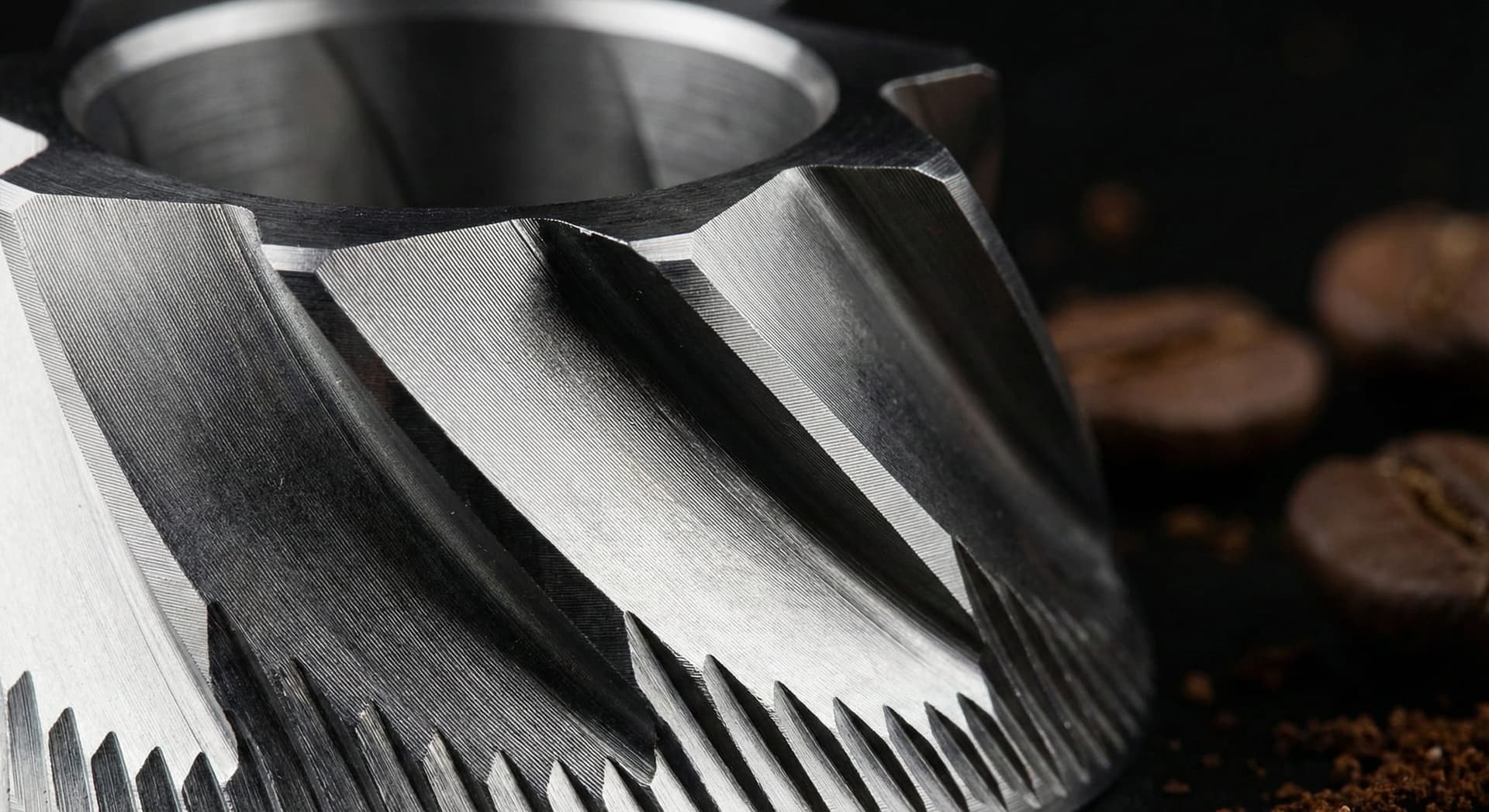
Quality home grinders typically feature motors rated between 150-300 watts. More powerful motors handle dense, light-roasted beans more efficiently and maintain consistent speed under load.
Construction quality matters tremendously for longevity. Metal housing and components outlast plastic, resist vibration better, and maintain alignment over time. Premium brands often offer 2-5 year warranties, signaling confidence in build quality.
Grind retention refers to ground coffee that stays trapped in the grinder. Low-retention designs minimize waste and ensure you're brewing with fresh grounds rather than stale coffee from previous sessions.
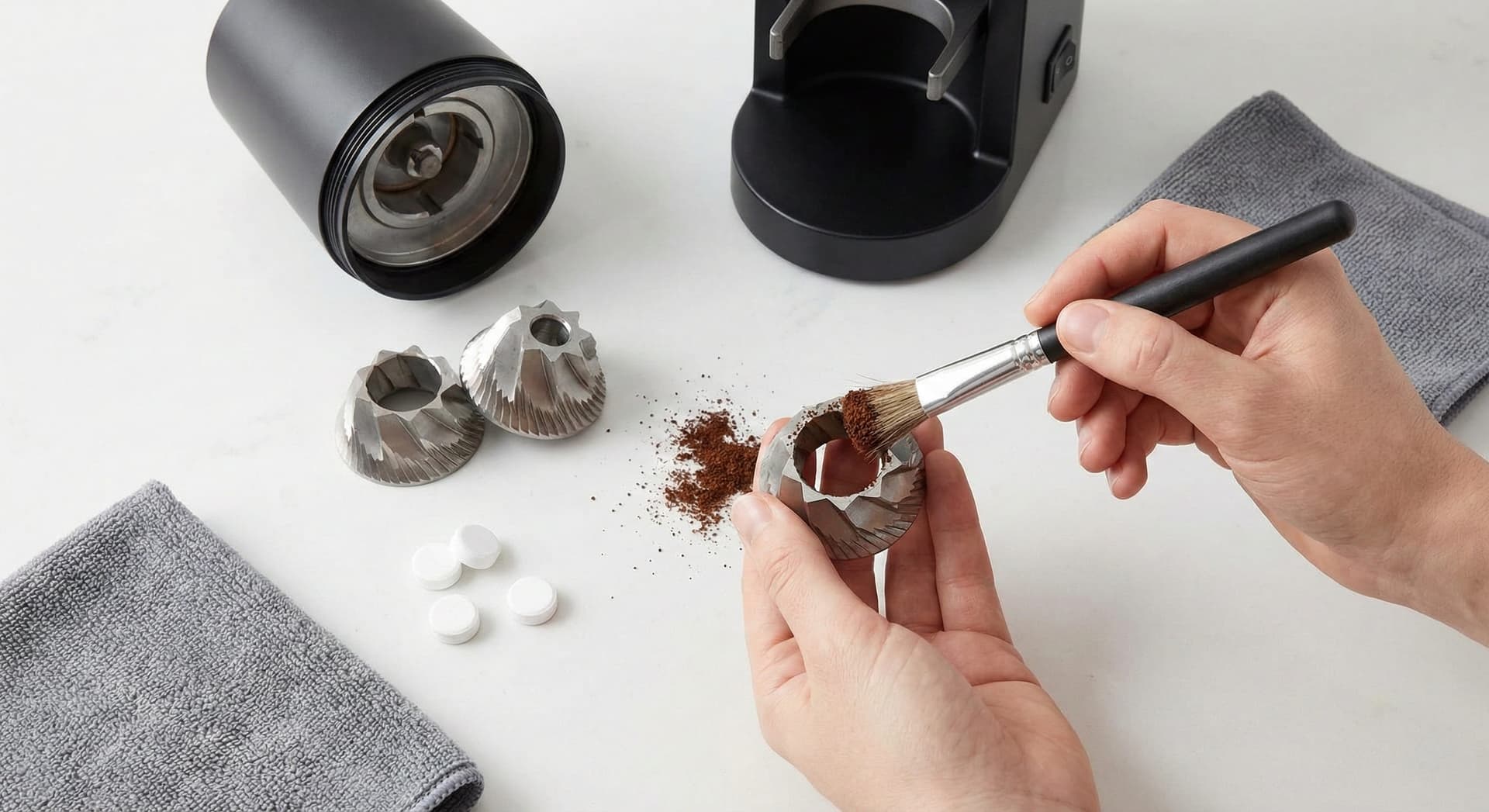
Consider anti-static features that prevent grounds from clinging to surfaces. Easy cleaning access is essential—look for tool-free burr removal and simple maintenance. Some models include cleaning brushes and require minimal disassembly for regular maintenance.
Grinder noise varies significantly. Conical burr grinders generally operate more quietly than flat burr models. If you grind early morning or have noise-sensitive household members, check decibel ratings in reviews.
Some premium grinders incorporate sound-dampening materials and design features to minimize noise. Manual grinders offer the quietest operation—essentially silent.
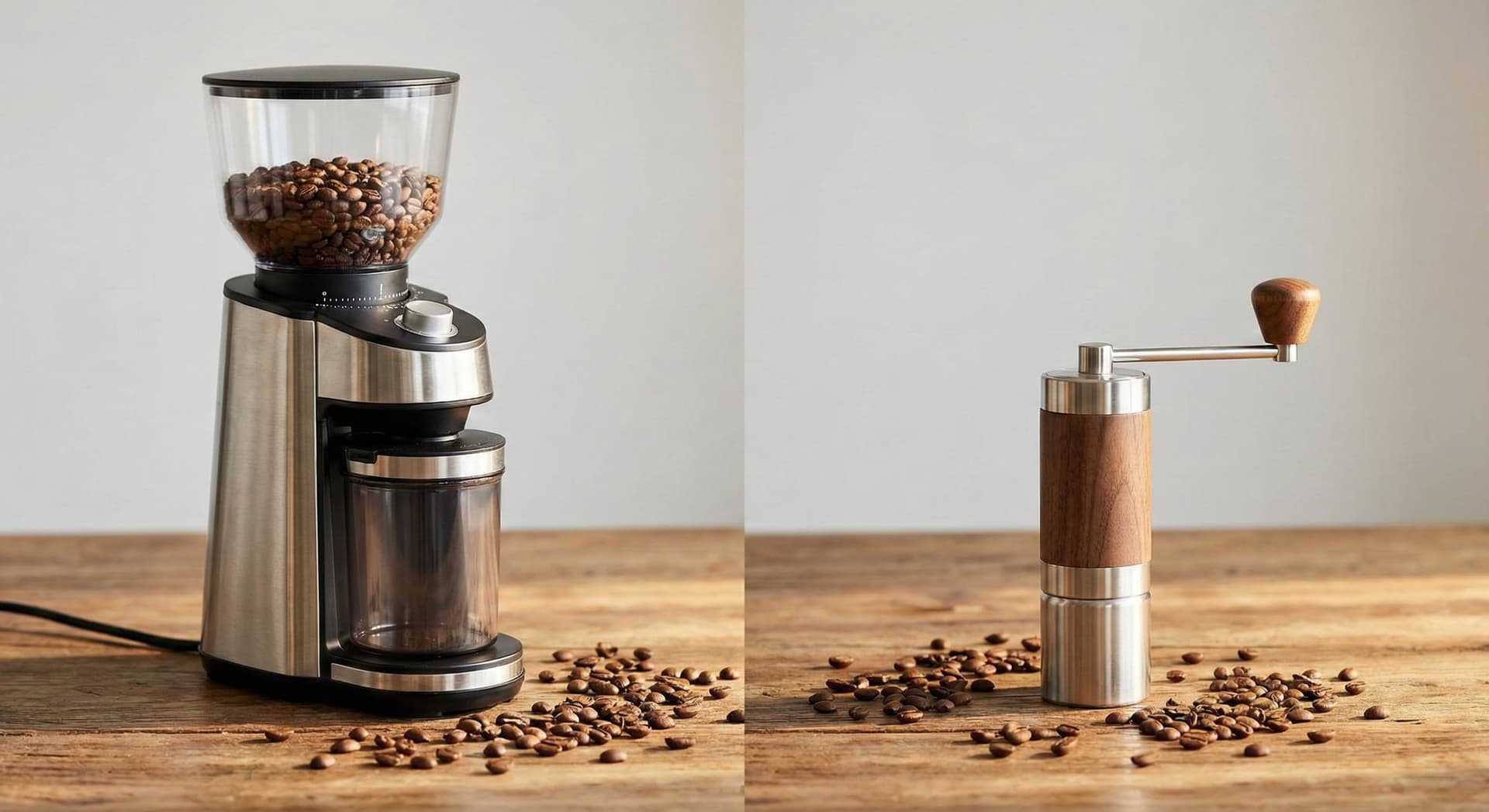
The electric versus manual burr grinder decision fundamentally shapes your daily coffee workflow, budget allocation, and brewing flexibility. Both approaches deliver excellent grind quality when implemented properly, but they serve distinctly different user profiles and brewing scenarios.
Electric burr grinders dominate home coffee setups for compelling reasons: motorized grinding delivers consistent results in 15-30 seconds, eliminating physical effort while maintaining precise particle uniformity. For households brewing multiple cups daily or entertaining guests regularly, electric grinders represent the practical choice—especially when paired with programmable dosing and timed grinding features.
Ideal Users: Home espresso enthusiasts, multi-cup daily brewers, households with 2+ coffee drinkers, those prioritizing convenience and speed, café owners and commercial operations
Manual burr grinders have experienced a renaissance among specialty coffee enthusiasts who value portability, meditative grinding rituals, and zero electrical dependence. Modern hand grinders incorporate precision-engineered burr sets matching electric models' quality while fitting in backpacks or desk drawers. For single-origin pour-over aficionados, van-life coffee lovers, and minimalist brewers, manual grinding offers compelling advantages.
Ideal Users: Travel enthusiasts, camping/van-life coffee lovers, single-cup brewers, office workers, apartment dwellers prioritizing quiet operation, manual brewing purists, budget-conscious specialty coffee beginners
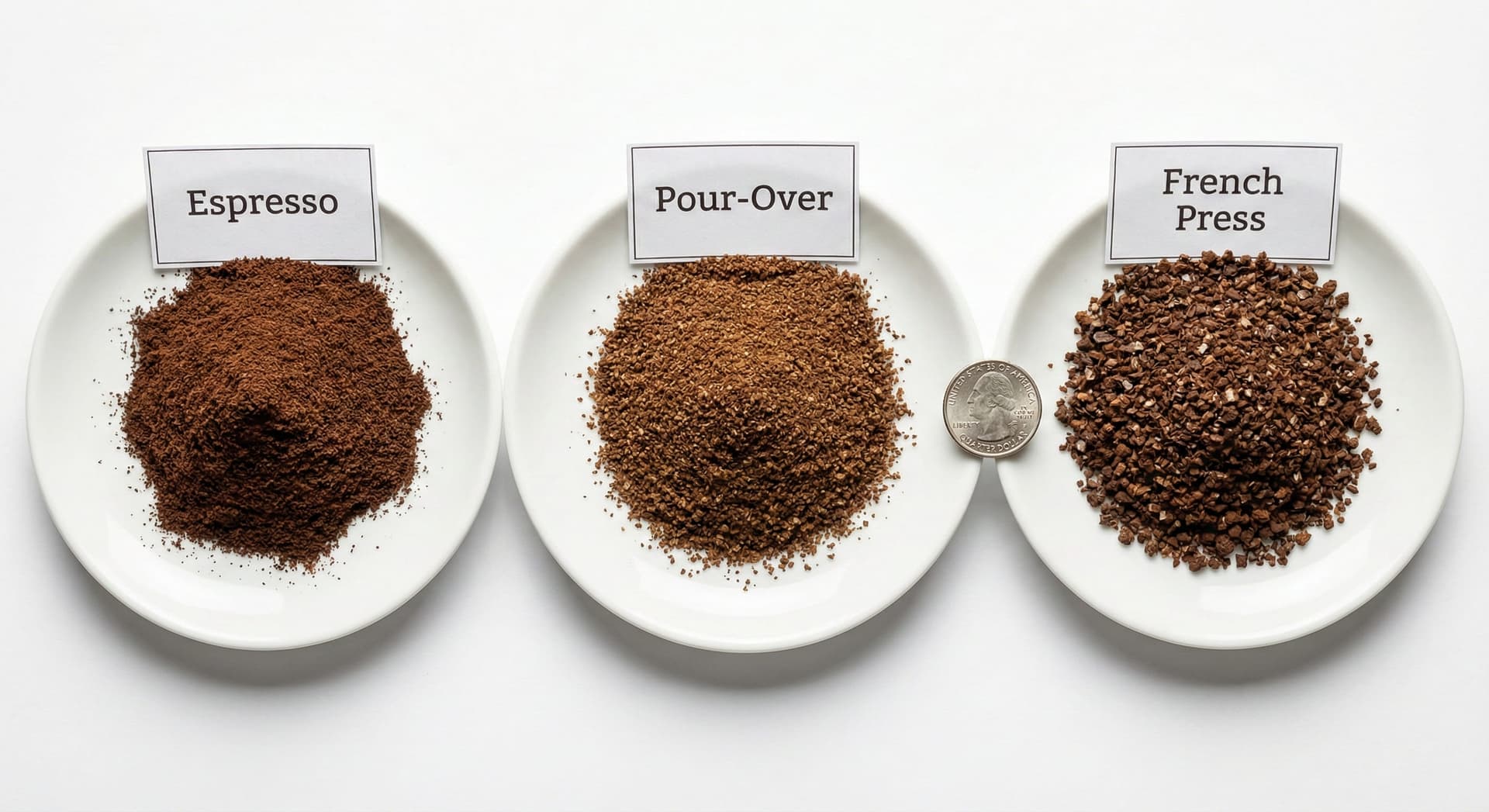
Different coffee brewing methods demand vastly different grind sizes and consistency tolerances. Matching your grinder's capabilities to your primary brewing style ensures optimal extraction and prevents costly mismatches. Understanding these requirements helps narrow your burr grinder search to models engineered for your specific coffee preparation preferences. For exact grind size targets by method, see our coffee grind size chart with micron ranges and calibration steps for espresso, pour over, French press, and cold brew.
Espresso represents the most demanding application for burr grinders, requiring exceptional particle uniformity and micro-adjustment precision. Pressurized extraction at 9 bars amplifies any grind inconsistencies exponentially—50-micron particle variations create channeling where water bypasses fine sections and rushes through coarse zones, simultaneously under-extracting and over-extracting different portions of your coffee puck.
Essential espresso grinder requirements: Stepless or micro-stepped adjustment for precise dialing (essential for compensating atmospheric pressure, humidity, and bean age variations), flat burrs or high-quality conical burrs for superior uniformity, low retention design (under 1 gram) preventing stale grounds mixing with fresh coffee, and robust motors maintaining consistent RPM under load from dense light-roasted beans.
Many dedicated espresso grinders feature single-dose hoppers, specialized low-retention chutes, and anti-static mechanisms. Professional baristas and specialty coffee reviewers emphasize that grinder quality impacts espresso more dramatically than machine quality—a $500 grinder with $1,000 espresso machine outperforms the inverse setup.
Pairing your grinder: Learn about different espresso machine types →
Budget Guidance for Espresso Grinders: Entry-level espresso-capable grinders begin $300-500 (Baratza Sette, Eureka Mignon series). Serious enthusiasts typically invest $700-1,500 for grinders delivering professional-grade shot quality (Niche Zero, Eureka Specialita, Ceado E37). Commercial and ultimate home setups range $1,500-3,000+ (Mazzer, Mahlkönig, Compak).
Pour-over brewing (V60, Chemex, Kalita Wave) and automatic drip machines utilize medium grind sizes with more forgiving extraction windows than espresso. These percolation methods tolerate slightly broader particle distribution while still benefiting enormously from burr grinder consistency versus blade grinding chaos.
Quality grinders in the $100-300 range deliver excellent pour-over and drip results. Focus on models offering consistent medium-range grinding with 20-40 adjustment steps, allowing fine-tuning for different pour-over devices (Chemex requires coarser than V60) and drip machine basket designs (flat-bottom versus cone filters).
Conical burr grinders particularly excel in this category, offering outstanding value and quieter operation. Their slightly broader particle distribution actually enhances body and complexity in manual brewing methods. Popular choices include Baratza Encore ($150-180), Capresso Infinity ($100-120), and OXO Brew ($100).
Immersion brewing methods like French press, cold brew, and cowboy coffee require coarse grinding that produces sand-sized particles. The critical factor: producing uniform coarse grounds while minimizing fines (ultra-fine particles) that slip through metal mesh filters, creating sediment and over-extracted bitterness.
Conical burr grinders naturally excel at coarse grinding, making them the preferred choice for French press enthusiasts. Their grinding mechanism produces fewer fines at coarse settings compared to flat burrs. Many excellent grinders in the $80-150 range handle immersion brewing beautifully—Hario Skerton manual grinder ($45-50), Bodum Bistro electric ($80-100), or Baratza Encore ($150-180).
Cold brew considerations: Large-batch cold brew (1-2 pounds coffee) benefits from grinders with bigger hoppers and faster grinding speeds. Look for models processing 40+ grams per cycle to avoid tedious refilling. Single-dose manual grinders work fine for individual French press servings but prove impractical for gallon-batch cold brew concentrate.
| Product | Best For | Grind Range | Burr Type | Price | Buy |
|---|---|---|---|---|---|
Baratza Encore ESP 4.7 | Best for Espresso & Filter | Espresso to French Press | Conical (40mm) | $200-$250 | Check Price on Amazon |
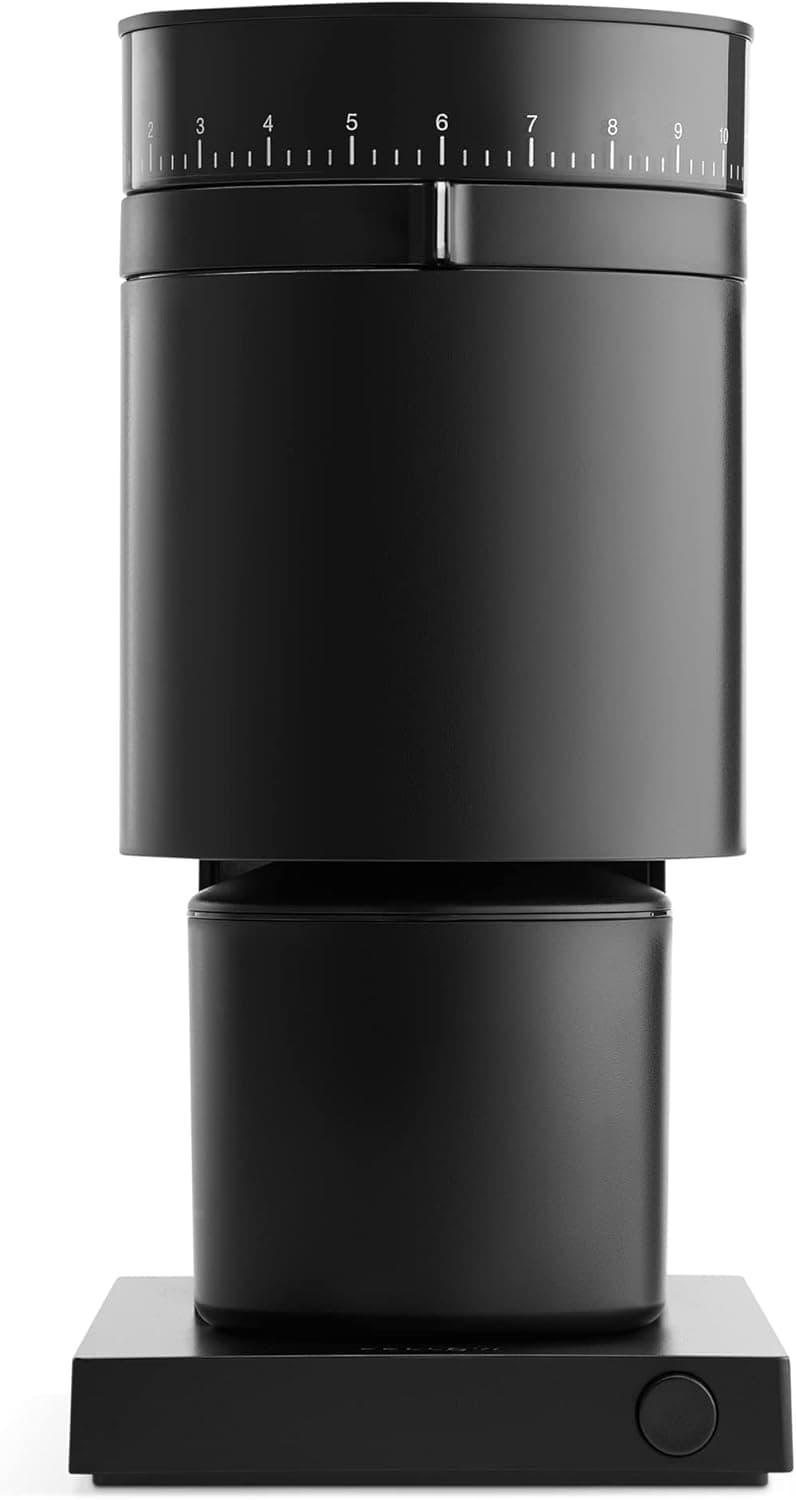 Fellow Opus 4.6 | Best Multi-Purpose | Espresso to Cold Brew | Conical (40mm) | $150-$200 | Check Price on Amazon |
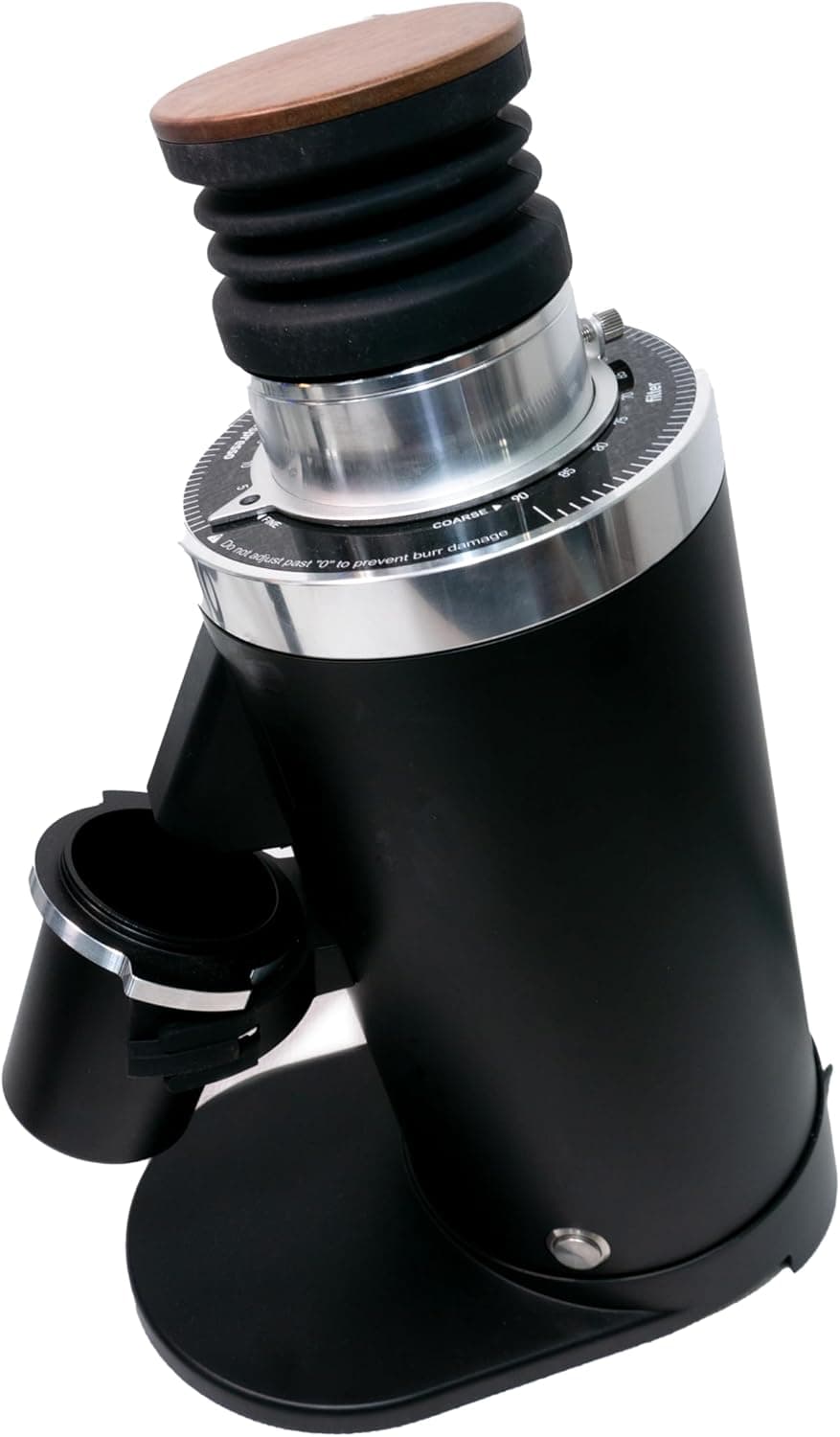 Turin DF64 V5 4.5 | Best Value Flat Burr | Espresso to Medium | Flat (64mm) | $300-$400 | Check Price on Amazon |
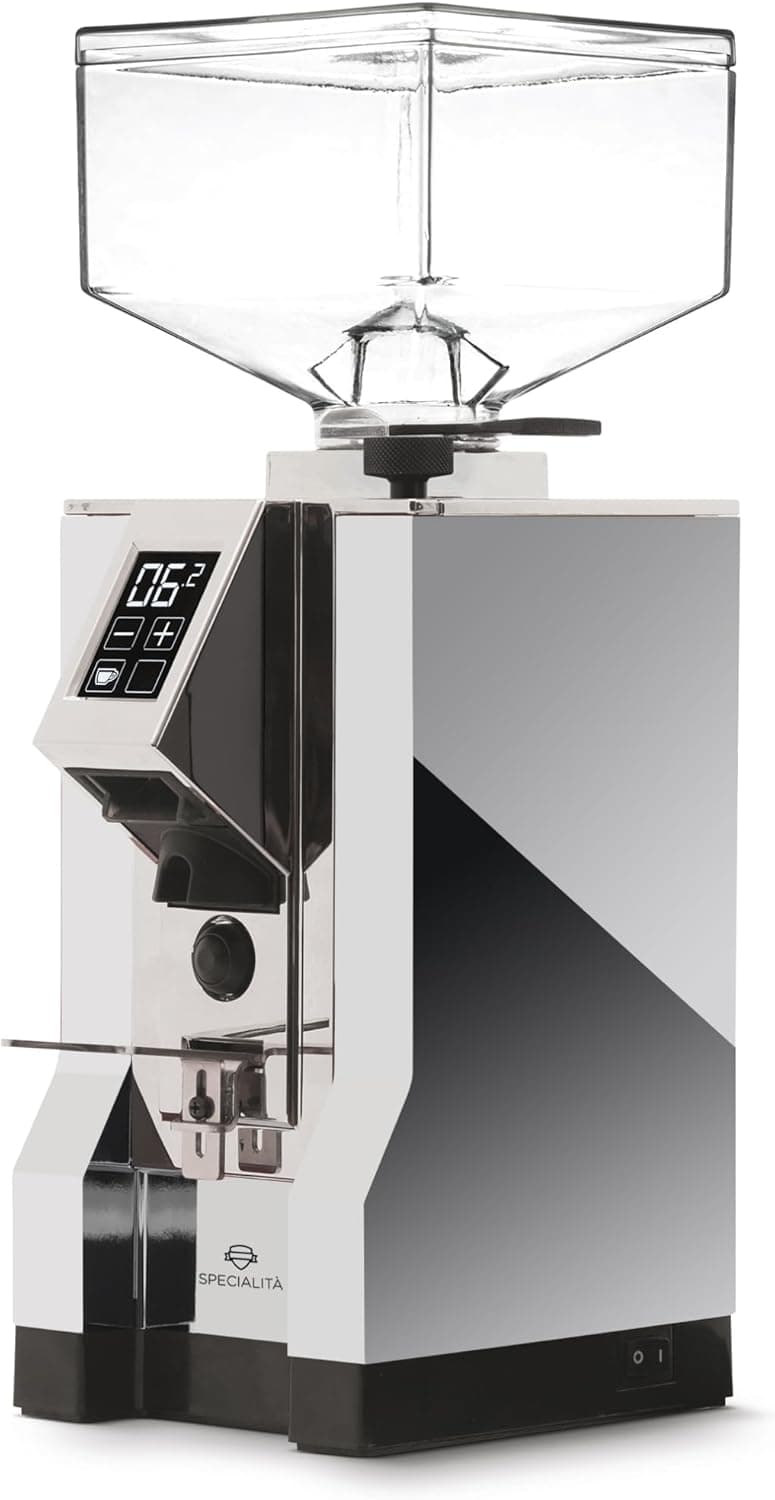 Eureka Mignon Specialita 4.6 | Best for Quiet Operation | Espresso Focused | Flat (55mm) | $500-$650 | Check Price on Amazon |
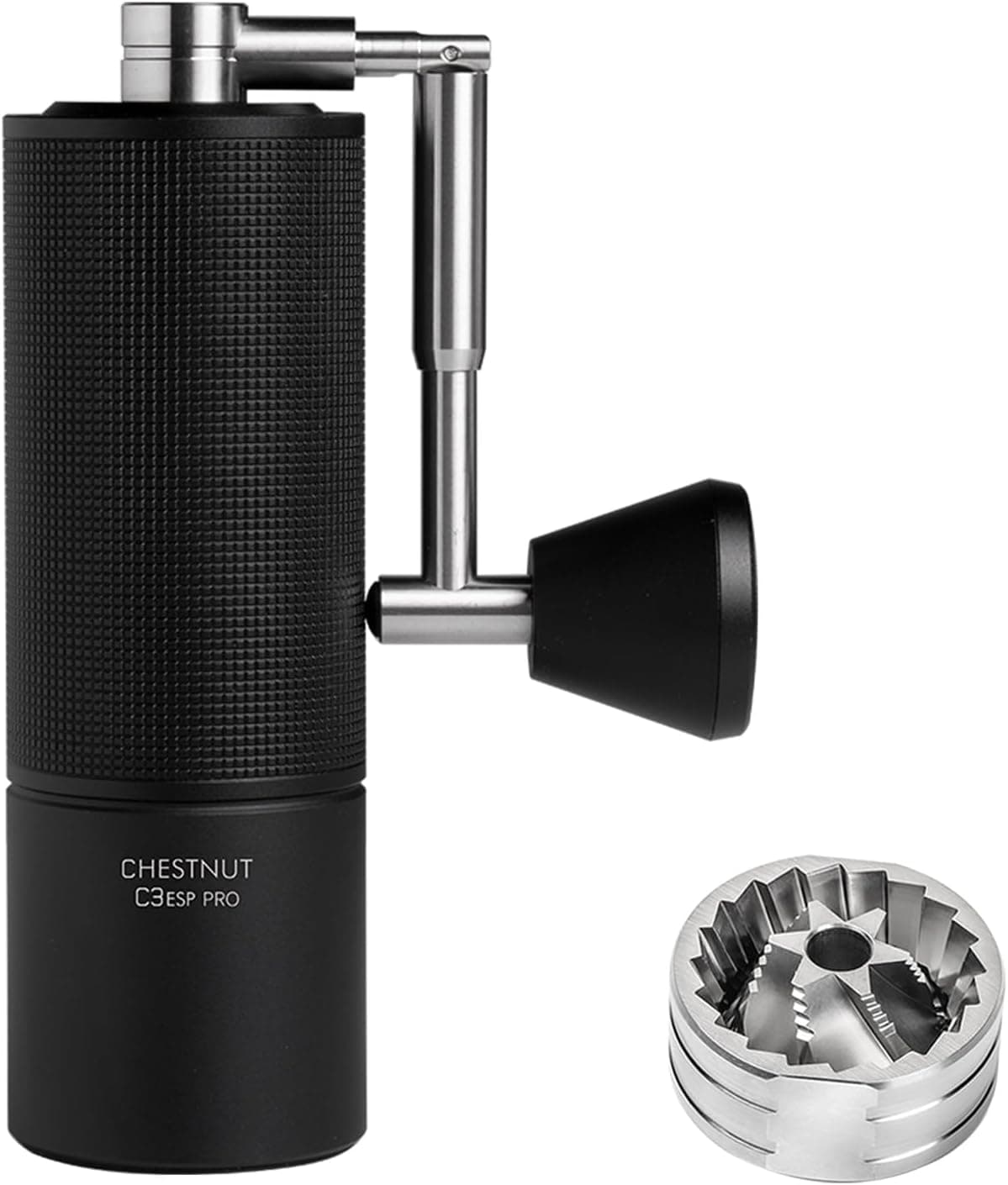 Timemore Chestnut C3 4.4 | Best Manual/Portable | Medium to Coarse | Conical (38mm) | $60-$80 | Check Price on Amazon |
Understanding burr grinder pricing helps set realistic expectations and prevents both overpaying for unnecessary features and underinvesting in critical grind quality. The market segments into distinct tiers, each delivering specific performance characteristics, build quality standards, and feature sets aligned with different user needs and brewing ambitions.
Entry-level burr grinders feature basic conical burr sets manufactured from standard stainless steel or ceramic materials. Construction emphasizes plastic housing components to minimize costs, with simpler stepped adjustment mechanisms offering 15-25 grind settings. Motor power typically ranges 100-150 watts—adequate for light-to-medium roasted beans but occasionally struggling with dense light roasts.
Performance expectations: These grinders excel with French press, drip coffee machines, and pour-over brewing methods. Grind consistency suffices for immersion and percolation extraction but lacks the precision uniformity required for quality espresso. Particle distribution shows moderate fines production (10-15%) and occasional boulders. Expect 3-5 year operational lifespan with proper maintenance.
Popular models in this category: Bodum Bistro ($80-100), Capresso Infinity ($100-120), Krups GVX2 ($50-70), OXO Brew Conical Burr ($100), Cuisinart DBM-8 ($60-80). Manual grinder options include Hario Skerton Pro ($45-55) and JavaPresse ($25-35).
These represent a transformational upgrade over blade grinders—immediately noticeable in cup quality, flavor clarity, and extraction balance. They're perfect for coffee drinkers graduating from pre-ground supermarket coffee or blade grinder chaos into specialty coffee appreciation.
Best For: Budget-conscious beginners exploring specialty coffee, college students, office use, vacation homes, manual brewing method enthusiasts, those testing if grinding fresh beans justifies further investment
This price tier represents exceptional value, delivering professional-level grind quality at accessible prices. Grinders feature precision-engineered conical or small flat burr sets with wider adjustment ranges (40+ settings, sometimes stepless), robust 200-300 watt motors, and significantly improved build quality incorporating metal housing components, precision bearings, and superior alignment mechanisms.
Performance characteristics: Grind consistency rivals grinders costing 2-3x more, with particle distribution uniformity suitable for entry-level espresso and exceptional for all manual brewing methods. Many models handle both espresso and pour-over competently—though dedicated espresso grinders in this range outperform dual-purpose models for shot quality.
Build quality supports 8-12+ years of daily use with proper maintenance. Warranties typically extend 2-3 years, reflecting manufacturer confidence. Burr replacement costs $40-80, with replacement cycles every 500-1,000 pounds of coffee.
Category leaders: Baratza Encore ESP ($200–250) for pour-over/drip and entry espresso, Baratza Virtuoso+ ($250–280) for versatility, Breville Smart Grinder Pro ($200–250) for features, Fellow Ode ($300–330) for design and pour-over excellence, Baratza Sette 270 ($400) for entry espresso, Eureka Mignon Notte ($300–350) for budget espresso. See the full best coffee grinders guide for detailed comparisons.
Manual grinder options reach impressive quality: Comandante C40 ($250-280), 1Zpresso JX-Pro ($150-180), and Kinu M47 ($200-250) deliver grind quality matching $500+ electric grinders while offering ultimate portability.
Best For: Serious home coffee enthusiasts, those exploring espresso brewing, pour-over perfectionists, households brewing multiple methods, anyone wanting long-term reliability and excellent value
Premium burr grinders deliver exceptional particle uniformity matching or exceeding commercial café equipment. These grinders incorporate commercial-grade flat burr sets (64-83mm diameter), stepless micro-adjustment systems, programmable digital dosing, anti-static ionization technology, and precision-machined metal construction throughout. Many feature grind-by-weight systems with integrated high-precision scales.
Performance expectations: Particle distribution achieves <5% standard deviation—the consistency required for competition-level espresso and single-origin pour-over showcasing. Low retention designs (<0.5 grams) ensure every dose uses freshly ground coffee. Build quality supports decades of daily use, with some grinders operating in cafés for 10-15+ years.
Advanced features include smartphone app connectivity, digital grind time programming down to 0.1-second precision, automatic dosing calibration, and burr monitoring systems alerting when replacement approaches. Sound dampening reduces operational noise to 60-70 decibels despite powerful 300-400 watt motors.
Premium model examples: Niche Zero ($650-700) for single-dosing, Eureka Mignon Specialita ($550-650) for espresso excellence, DF64 Gen 2 ($450-550) for value-oriented flat burr performance, Weber Workshops EG-1 ($3,500+) for ultimate precision, Mahlkönig E65S GBW ($1,900-2,200) for grind-by-weight convenience, Mazzer Super Jolly ($900-1,100) for commercial reliability.
Best For: Espresso perfectionists pursuing café-quality home shots, professional baristas building home setups, specialty coffee competition participants, those valuing maximum longevity, small café or mobile cart operations
Cost per cup analysis: A $300 grinder used daily for five years (1,825 cups) costs $0.16 per cup. Compare this to café coffee at $4-6 per cup, and the grinder investment pays for itself within weeks. Premium grinders lasting 15-20 years reduce cost per cup to mere pennies while elevating every brewing experience. For serious coffee enthusiasts, investing in grinder quality delivers dramatically better returns than expensive espresso machines, exotic beans, or fancy brewing devices.
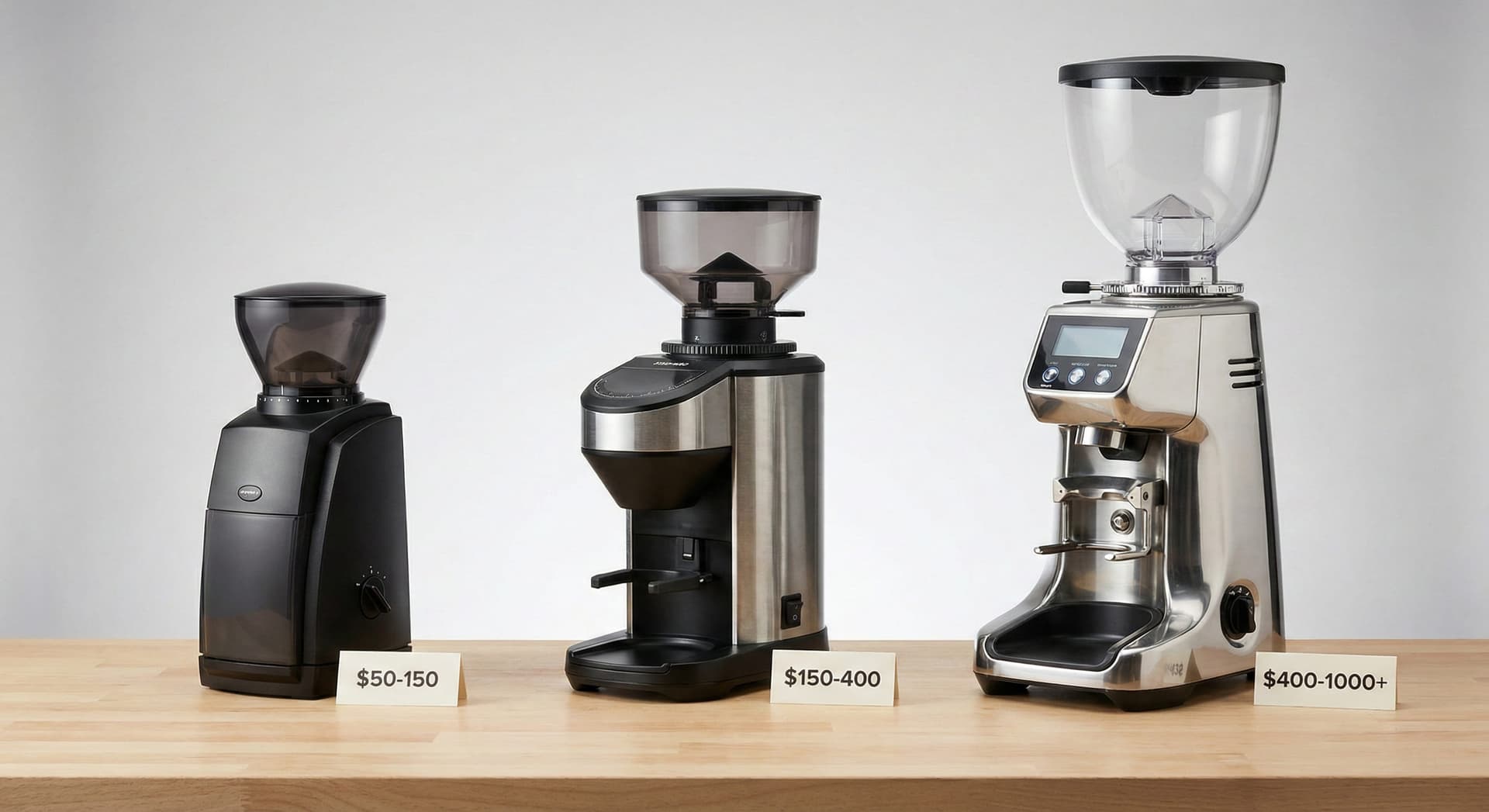
Stepless adjustment provides infinite adjustment capability between the finest and coarsest settings. This is critical for espresso, where tiny grind changes dramatically impact extraction. Less important for manual brewing methods where stepped adjustment works well.
Automatic dosing ensures consistent amounts with the press of a button. Set your desired dose time once, then enjoy repeatable results. This feature is a time-saver for daily workflows and essential for consistent espresso preparation.
Static electricity causes grounds to cling to containers and the grinder itself, creating mess and retention. Premium grinders incorporate ionizers or special coatings to reduce static, resulting in cleaner operation and lower retention.
The most advanced grinders include integrated scales that grind to precise weights automatically. This eliminates the need for separate scales and delivers perfect doses every time. While expensive, the convenience and precision are unmatched for serious home baristas.
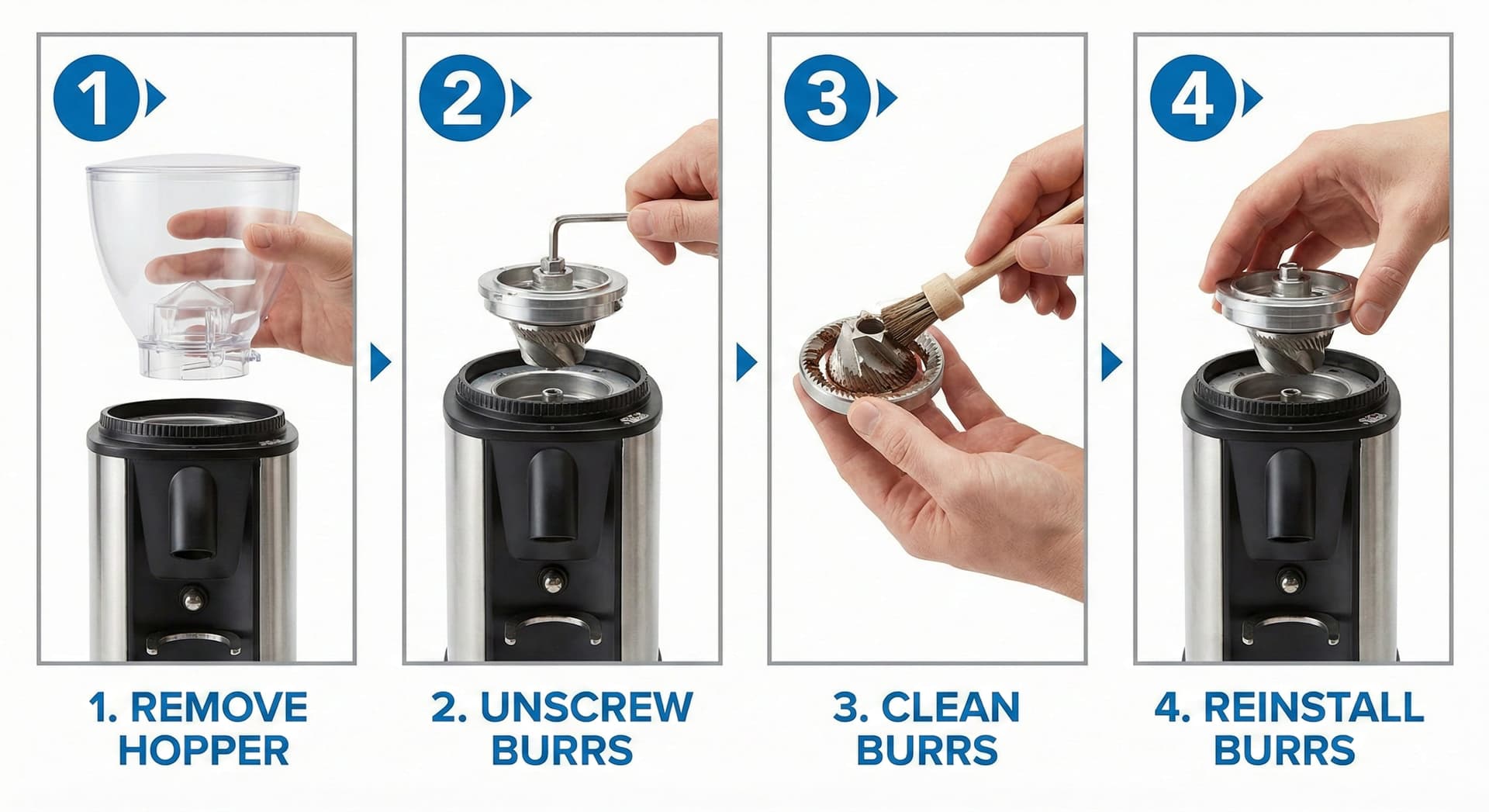
Proper maintenance extends your grinder's life and maintains peak performance. Establish a regular cleaning schedule: weekly brushing to remove retained grounds and coffee oils, monthly deep cleaning with burr removal and thorough cleaning of all components.
Burrs are wear items but last impressively long. Expect to replace burrs every 3-10 years depending on usage volume and coffee type. Oily, dark-roasted beans accelerate wear. Most manufacturers sell replacement burr sets, and the process is straightforward.
Never use water to clean burrs unless specifically approved by the manufacturer—moisture causes rust on steel burrs. Use specialized grinder cleaning tablets or rice (check manufacturer guidelines first) to absorb oils. Always follow manufacturer recommendations for cleaning and maintenance.
Fancy features mean nothing if the grinder doesn't produce consistent grinds. Focus first on burr quality and grind consistency, then consider additional features.
An espresso-focused grinder may struggle with coarse French press grinds, and vice versa. Match the grinder to your primary brewing method or invest in a versatile mid-range model.
Consider your counter space, storage, and daily routine. A massive espresso grinder might not fit your compact kitchen, while a tiny hand grinder won't work for entertaining.
Coffee beans stale quickly when exposed to air. Only fill the hopper with beans you'll use within a few days, or better yet, practice single-dose grinding for maximum freshness.
Some grinders require frequent, complex cleaning. If you want low-maintenance equipment, research cleaning procedures before buying. Choose grinders with tool-free burr access if you value convenience.
Choosing the right burr grinder requires balancing your brewing methods, budget, available space, and personal preferences. Start by honestly assessing your primary brewing method—espresso demands different capabilities than pour-over or French press.
Research professional reviews from trusted coffee publications and watch video demonstrations to see grinders in action. User reviews provide valuable real-world perspectives on reliability, noise levels, and long-term performance.
If possible, visit specialty coffee shops or retailers where you can see and hear grinders operating. Many coffee professionals are passionate about equipment and happy to share insights about different models.
Remember that a grinder is a long-term investment. A quality burr grinder will serve you for years or even decades. Don't rush the decision—the difference in coffee quality between a mediocre grinder and an excellent one is profound and immediately noticeable.
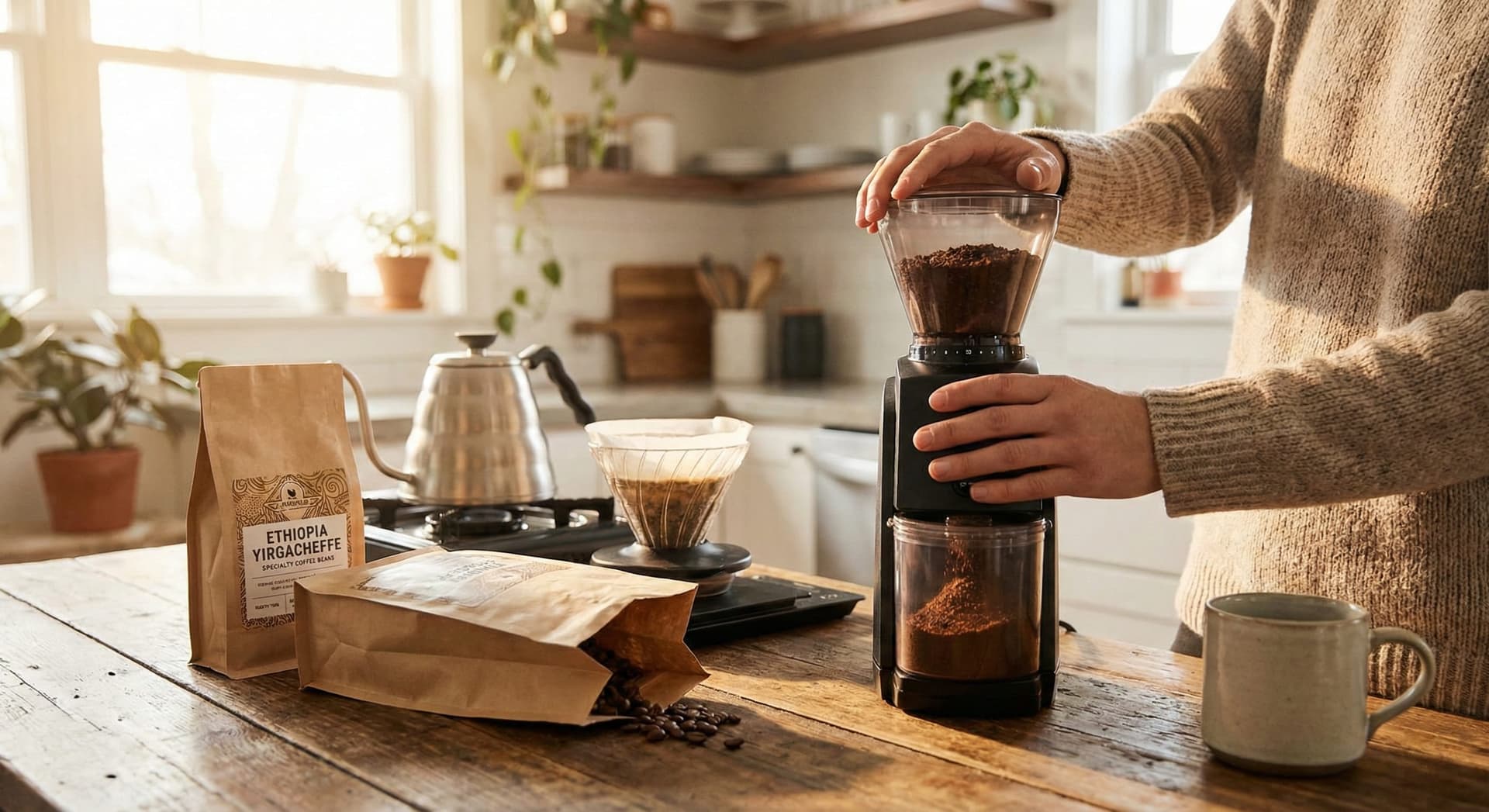
Explore our expert-tested picks in the best coffee grinders roundup, covering every budget from $50 to $500+.
See Best Coffee GrindersQuality burr grinders last 10-20+ years with proper maintenance.
Burrs wear out after grinding 500-1,500 pounds of coffee but are replaceable.
Budget models may last 3-5 years.
A quality burr grinder transforms your coffee experience more than any other single upgrade. Here's how to land on the right one:
Take your time researching. Browse our best coffee grinders roundup for side-by-side comparisons across every budget, and remember: great coffee always starts with great grinding.
Join our newsletter for expert reviews and brewing guides.
Affiliate Disclosure: We may earn a commission when you purchase through links on our site. This comes at no extra cost to you and helps us continue providing expert coffee guidance.