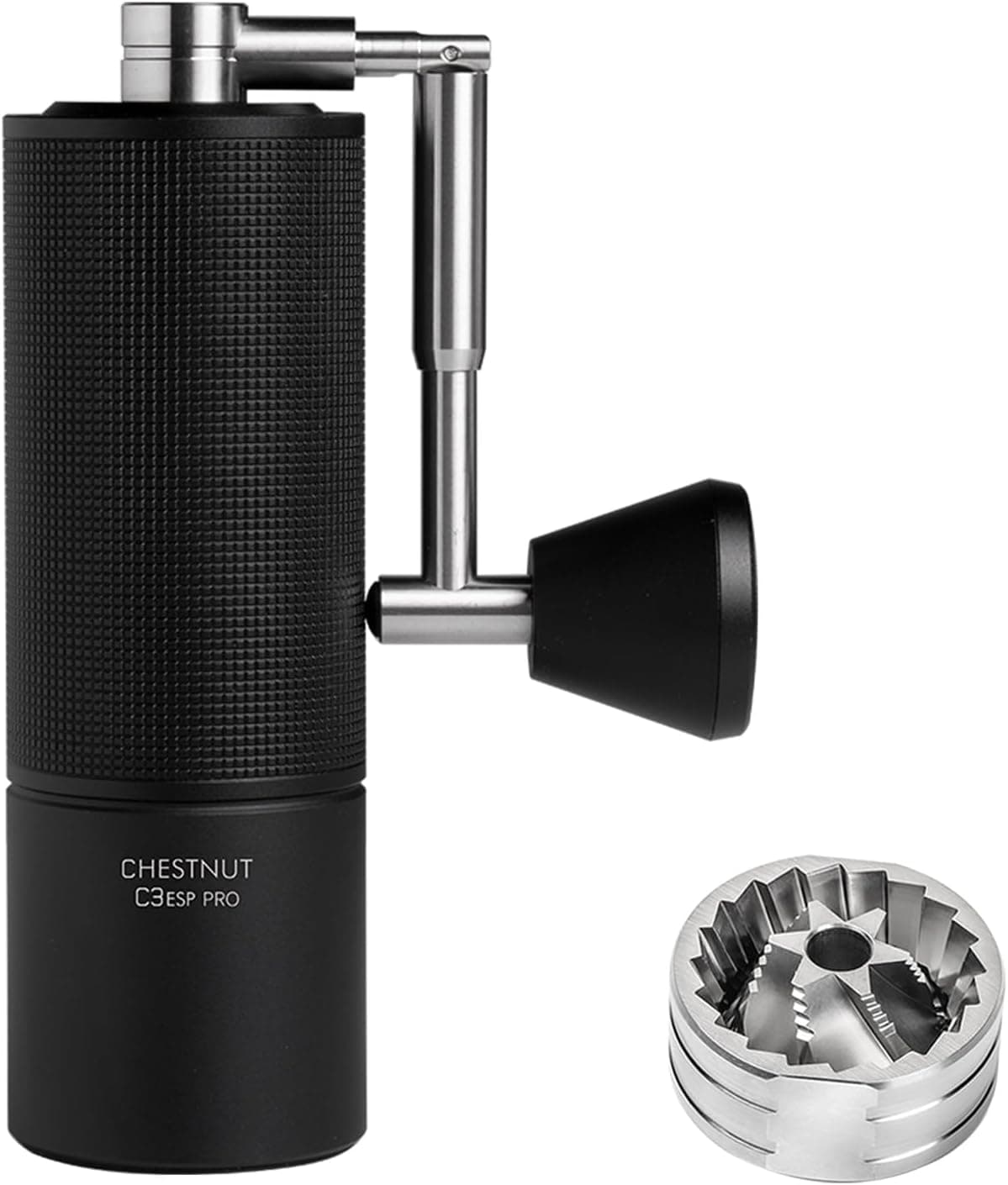
Timemore Chestnut C3
4.4
Best For: Best Manual Overall
Burr Type: Conical (38mm)
Price: $60-$80
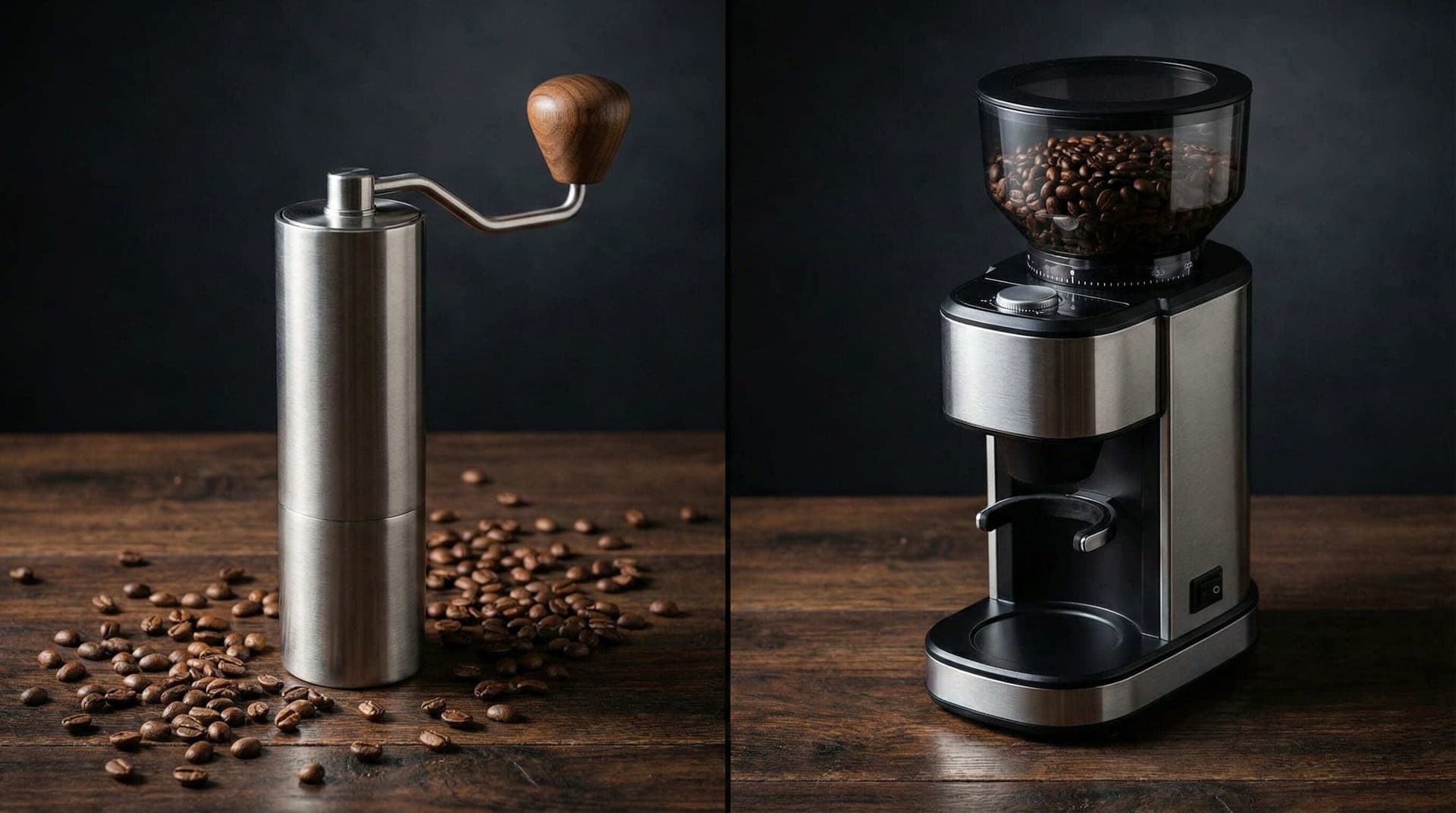
Discover which grinder type matches your brewing style, budget, and lifestyle
The manual vs electric coffee grinder debate is one of the most consequential decisions in your coffee journey. Whether you're weighing a hand grinder vs electric grinder, this choice fundamentally shapes your daily workflow, brewing flexibility, and long-term satisfaction with home coffee preparation.
So are manual coffee grinders better than electric ones—or is it the other way around? After testing 24 grinders across every price point from $30 budget options to $1,000+ professional models, we've found that which coffee grinder is better depends entirely on your specific brewing habits, living situation, and priorities. Neither type is universally superior—each excels in distinct scenarios.
This comprehensive guide examines both types through rigorous hands-on testing, real-world daily use, and detailed performance analysis. We'll help you find the grinder that best matches your lifestyle, budget, and coffee ambitions.
If you need a quick answer→Choose manual for portability, quiet operation, and budget; choose electric for convenience, speed, and large batches
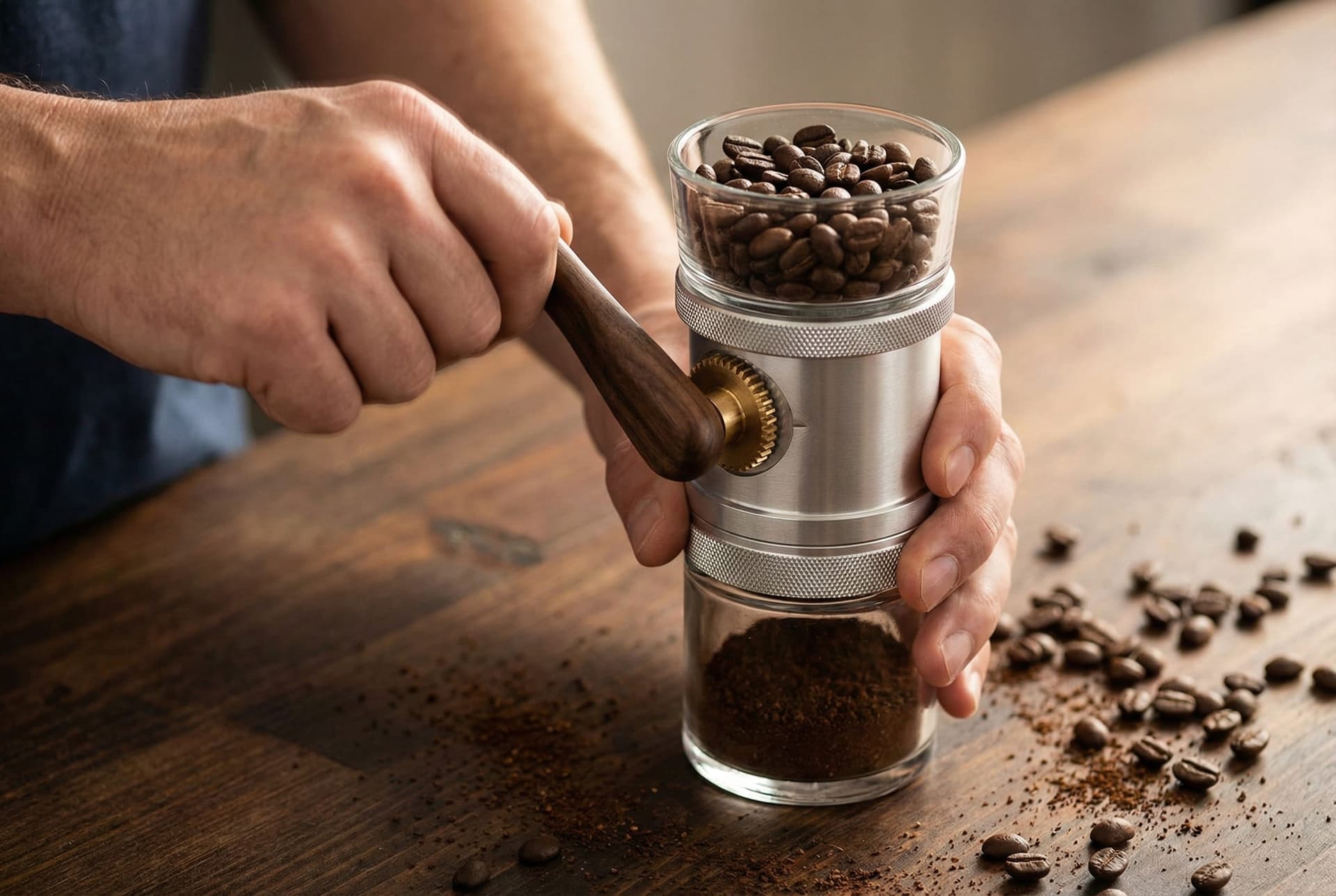
Manual grinders—also called hand grinders or portable grinders—operate through direct hand-cranking that rotates precision burr sets without electricity. This mechanical simplicity delivers surprising performance advantages while introducing specific workflow considerations.
Modern manual grinders feature high-quality conical or flat burr sets housed in compact aluminum or stainless steel bodies. Users rotate a hand crank connected to the inner burr via precision bearings, crushing beans through adjustable gap settings. Premium models incorporate ball bearings for smooth cranking and stepped or stepless adjustment mechanisms for grind size control.
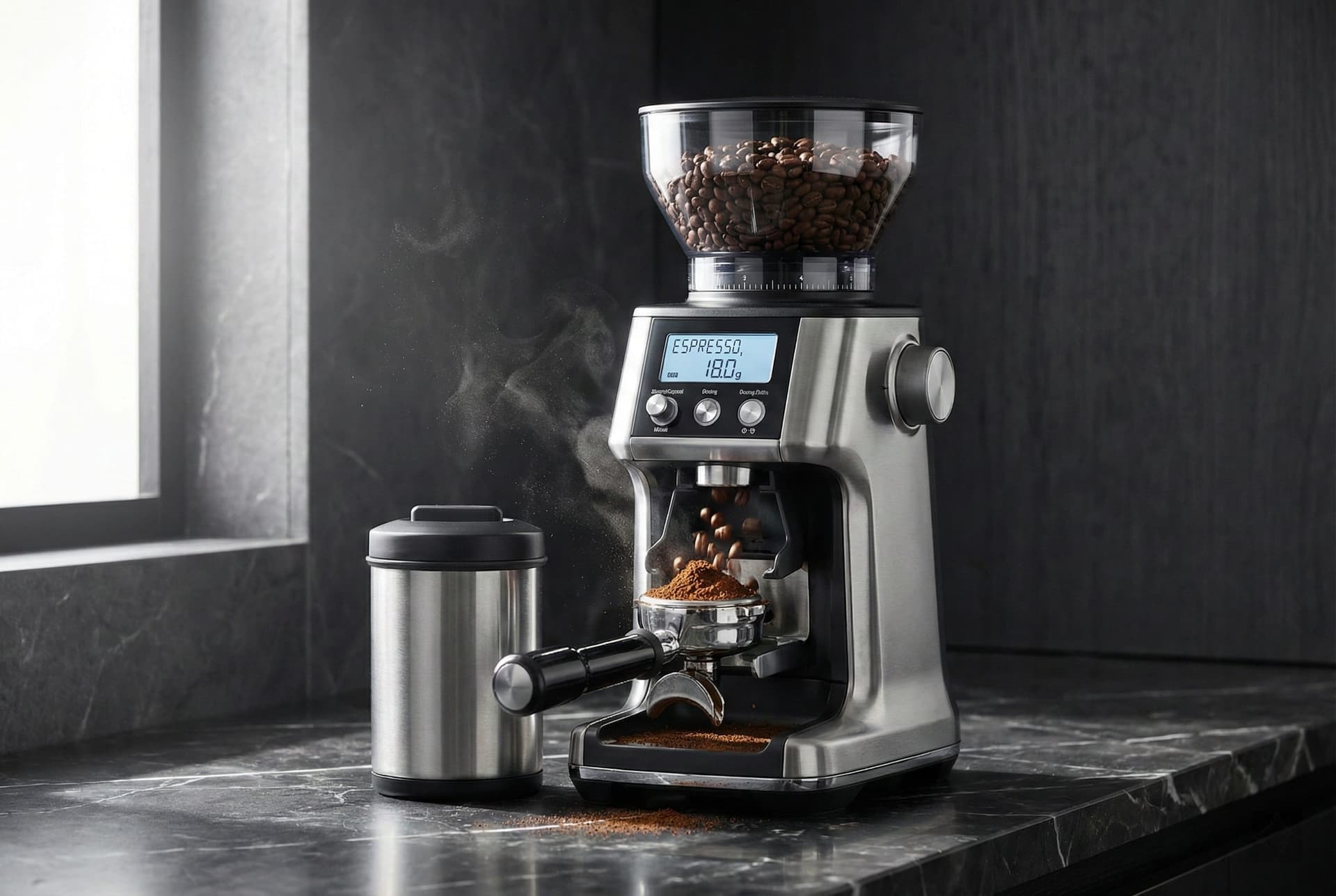
Electric burr grinders utilize motorized rotation to spin burr sets at high speeds, processing coffee beans in seconds. This automation delivers unmatched convenience while requiring permanent counter space and electrical access.
Electric grinders house motors (150-400 watts) that rotate burr sets at 400-1,400 RPM depending on design. Beans drop from hoppers (100-500g capacity) through burr chambers where they're crushed and ejected into collection bins. Advanced models feature programmable dosing, digital timers, and grind-by-weight systems for perfect consistency.
Both manual and electric grinders utilize burr grinding mechanisms, but the type of burr significantly impacts performance, grind quality, and price. Understanding burr geometry helps you select the optimal grinder for your brewing style. For a deeper dive, see our guide to choosing a burr grinder.
Conical burrs feature a cone-shaped inner burr rotating inside a hollow outer burr. Beans flow downward through progressively narrower gaps, producing consistent grinds across a wide range of settings. This geometry dominates manual grinders and budget-to-mid-range electric models.
Flat burrs consist of two parallel disc-shaped burrs facing each other horizontally. Beans drop between burrs and move radially outward as they're crushed. This horizontal grinding path delivers superior uniformity critical for espresso excellence.
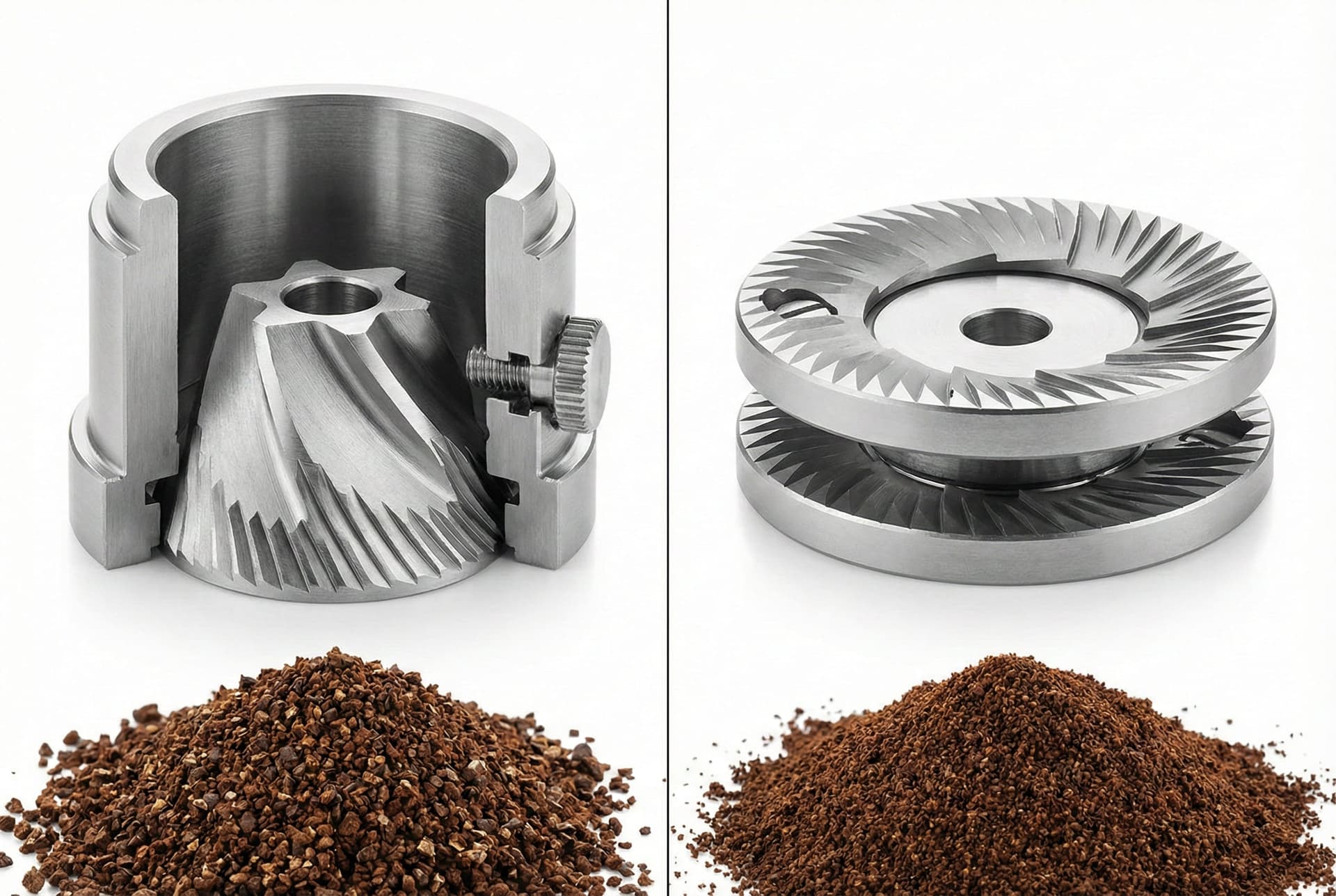
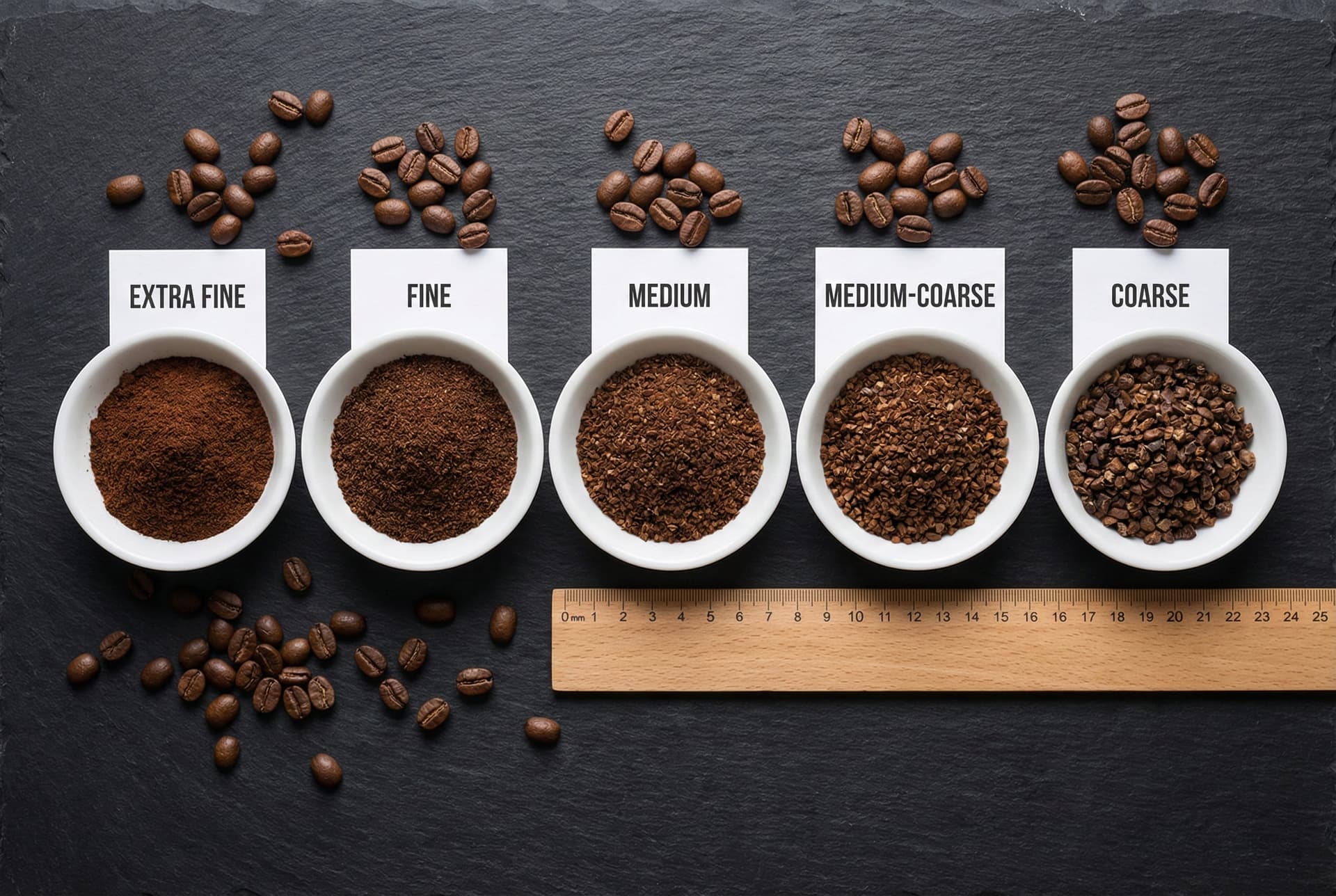
Grind size consistency requirements vary dramatically across brewing methods. Your primary brewing style should heavily influence whether manual or electric grinding better serves your needs.
Manual Advantage: Premium manual grinders ($150-300) with stepped or stepless adjustment deliver espresso-worthy consistency rivaling $500+ electric grinders. Manual grinding creates zero static, producing clump-free grounds perfect for distribution. However, grinding 18g doses requires 60-90 seconds of vigorous cranking—fatiguing for multiple daily shots.
Electric Advantage: Electric espresso grinders ($200-$2,000) grind 18g doses in 5-10 seconds with zero physical effort. Programmable dosing ensures shot-to-shot consistency. Timed grinding eliminates measuring. For home baristas pulling 2-4 shots daily, electric grinders dramatically improve workflow efficiency.
Verdict: Manual works for 1-2 daily shots if you enjoy the ritual. Electric essential for 3+ shots daily or multiple milk drinks.
Manual Advantage: Manual grinders excel at medium grinds for V60, Chemex, Kalita Wave, and drip coffee. Grinding 20-30g for single-cup brewing takes 45-60 seconds—perfectly reasonable for morning routines. Grind adjustment precision allows fine-tuning extraction to perfection. Zero noise means grinding while others sleep.
Electric Advantage: For households brewing full 10-12 cup pots (100-150g coffee), electric grinders prove essential. Grinding 100g manually takes 4-5 minutes of continuous cranking—exhausting and impractical—whereas electric grinders handle it in seconds.
Verdict: Manual perfect for single-cup pour-over enthusiasts. Electric necessary for large batch drip or serving multiple people.
Manual Advantage: Coarse grinding requires less cranking effort—40-50 seconds for 30g French press. Manual grinders produce excellent coarse consistency without the boulders common in budget electric grinders. Perfect for single-serving French press or small cold brew batches (50-75g).
Electric Advantage: Cold brew concentrate requires 100-200g coffee—grinding this manually takes 8-12 minutes of arm-numbing cranking. Electric grinders handle cold brew batches effortlessly. Large French presses (48-51oz) needing 60-80g coffee similarly benefit from electric speed.
Verdict: Manual works great for daily French press. Electric mandatory for cold brew batches.
Manual Advantage: AeroPress (15-18g) and Moka pot (15-20g) doses grind in 40-55 seconds manually. These methods pair beautifully with manual grinders—portable, quiet, and perfect for travel. Grind size precision allows recipe experimentation.
Electric Advantage: Minimal advantage for single servings. Electric grinders save a minute per dose—convenient but not essential for these low-volume methods.
Verdict: Manual grinders are ideal companions for AeroPress and Moka pot brewing—perfectly matched to single-serving workflows.
Winner: Tie (price-dependent)
Premium manual grinders ($150-300) match or exceed mid-range electric grinders ($200-400) in particle uniformity. Budget manual grinders ($50-100) significantly outperform budget electric grinders ($80-150). High-end electric grinders ($500+) with large flat burrs achieve superior consistency for espresso.
Winner: Electric (dramatically faster)
Electric grinders process 18-30g in 5-15 seconds. Manual grinders require 60-120 seconds of active cranking. For rushed mornings or multiple daily cups, electric grinders eliminate grinding fatigue.
Winner: Manual (absolute mobility)
Manual grinders fit in backpacks, require zero electricity, and enable fresh grinding anywhere. Electric grinders demand permanent counter space, electrical outlets, and weigh 5-15 pounds.
Winner: Manual (silent operation)
Manual grinders operate silently. Electric grinders produce 60-85 dB noise—potentially disruptive for apartment living or early morning grinding. Conical burr electrics run quieter than flat burr models.
Winner: Manual (better price-to-performance)
Manual grinders deliver exceptional value: $80-150 models rival $300-400 electric grinders. Premium manuals ($200-300) match $600-800 electric quality. For budget-conscious buyers seeking maximum grind quality, manual grinders dominate.
Winner: Manual (simpler, longer-lasting)
Manual grinders feature fewer parts, no motors to fail, and simple cleaning. Electric grinders require motor maintenance, potential electrical issues, and more complex cleaning procedures. Both burr types last years with proper care.
| Product | Best For | Burr Type | Price | Buy |
|---|---|---|---|---|
Timemore Chestnut C3 4.4 | Best Manual Overall | Conical (38mm) | $60-$80 | Check Price on Amazon |
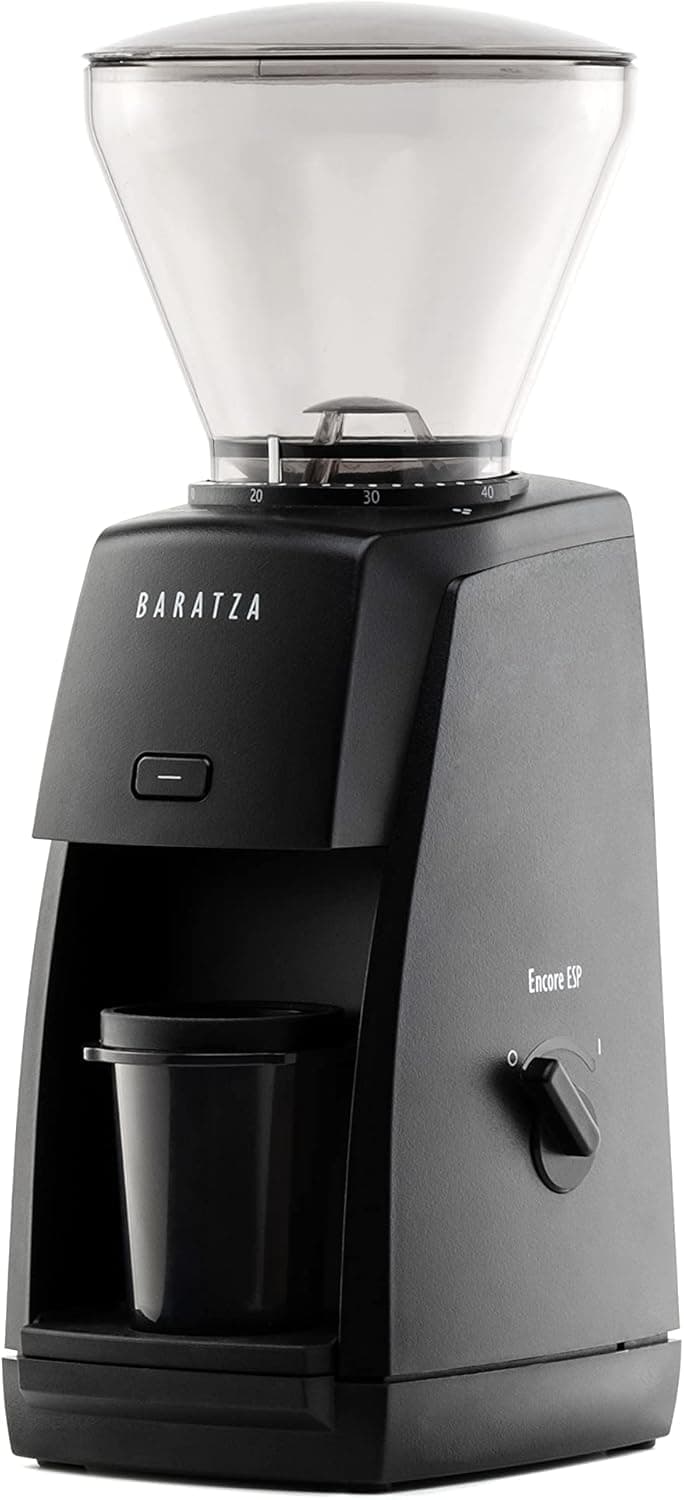 Baratza Encore ESP 4.7 | Best Electric Overall | Conical (40mm) | $200-$250 | Check Price on Amazon |
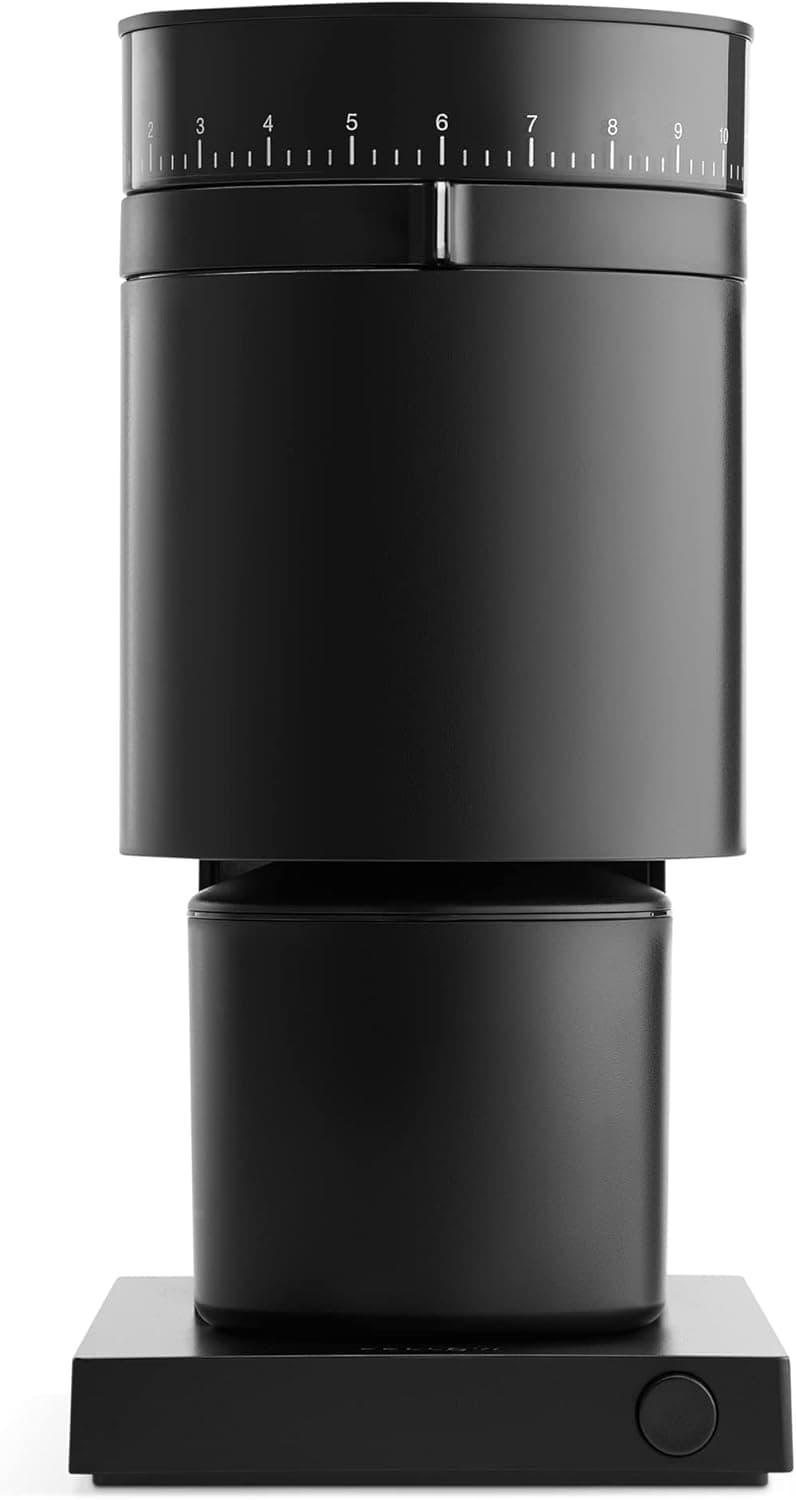 Fellow Opus 4.6 | Versatile Electric | Conical (40mm) | $150-$200 | Check Price on Amazon |
Purchase price represents only the starting point. Smart buyers evaluate total cost of ownership including maintenance, burr replacement, electricity, and longevity to determine true value.
Manual Grinders: Minimal ongoing costs. Most components last 10+ years with basic cleaning. Burr replacement needed after 800-1,500 pounds of coffee (7-12 years for typical home use grinding 10 pounds monthly). Replacement burr sets cost $30-80 depending on model. No electricity costs. Total 10-year cost beyond purchase: $50-120.
Electric Grinders: Moderate ongoing costs. Motors, switches, and electronics can fail requiring $80-200 repairs or replacement. Burr sets ($40-150) wear faster due to higher RPMs—replacement every 500-800 pounds (4-7 years typical use). Electricity adds $3-8 annually depending on usage. Total 10-year cost beyond purchase: $150-400.
Let's compare real-world scenarios over 10 years of daily single-cup brewing (assuming one 20g dose daily):
Key Insight: Premium manual grinders deliver exceptional value-per-year for single-cup brewers. Electric grinders justify costs through time savings and convenience for high-volume users. The "$2/day coffee shop habit" ($730/year) makes even premium grinders incredibly economical investments.
Manual grinding takes 60-90 seconds per espresso dose versus 8-10 seconds electric. For someone grinding twice daily, that's 2 minutes daily = 12 hours annually saved with electric grinding.
The Question: Is 12 hours per year worth the $200-500 additional cost of quality electric grinding? For busy professionals—absolutely. For morning ritual enthusiasts who enjoy the meditative manual process—manual grinding's "time cost" actually provides value through mindful preparation.
Exceptional value with 38mm conical burrs, aluminum construction, and grind quality rivaling $200+ grinders. Perfect for travel, office, or budget-conscious beginners.
Exceptional value with 38mm dual-bearing burrs, all-metal construction, and grind quality rivaling $150+ grinders. Perfect for pour-over and travel.
Versatile all-rounder with 41 grind settings, anti-static technology, and beautiful design. Handles espresso through cold brew with impressive consistency for the price.
Purpose-built espresso grinder with 40mm conical burrs, 22 optimized settings, user-serviceable design, and proven reliability. The gold standard for home espresso grinding under $300.
Looking for more detailed grinder reviews and comparisons? Check out our comprehensive best coffee grinders guide featuring in-depth testing results, performance metrics, and detailed buying advice for both manual and electric models across all price ranges. You can also explore our how to choose a burr grinder guide for a breakdown of every burr type and price tier.
Yes! High-quality manual grinders with precision burr sets can produce espresso-worthy grinds equal to electric grinders costing 2-3x more.
Premium manual grinders like the 1Zpresso JX-Pro and Timemore Chestnut C3 can rival electric grinders in consistency. However, manual grinding requires 60-90 seconds of arm effort per dose versus 10 seconds for electric.
The manual versus electric grinder decision ultimately depends on your unique brewing habits, living situation, and coffee priorities. Neither type is universally "better"—each excels in specific scenarios.
Manual grinders offer unmatched portability, silent operation, zero electricity dependence, and exceptional value for budget-conscious buyers. They excel for travelers, apartment dwellers, single-cup brewers, and those seeking meditative preparation rituals.
Electric grinders deliver superior convenience, lightning-fast grinding, large-batch capability, and advanced automation features. They dominate home espresso setups, multi-cup households, rushed mornings, and high-volume brewing scenarios.
Choose the grinder type aligned with your daily workflow, and your coffee will thank you.
Join our newsletter for expert reviews and brewing guides.
Affiliate Disclosure: We may earn a commission when you purchase through links on our site. This comes at no extra cost to you and helps us continue providing expert coffee guidance.